How to
Dehydrate Food
How to dehydrate food - Dehydrating food is one of the easiest and lowest-cost ways of preserving food as well as one of the best ways to retain a food's nutrients. Even better, you can store the bounty from your garden and enjoy it for years to come without taking up a lot of space.
Dehydrating food is also a great way to save money. You can dehydrate entire meals and then refresh and reheat them in a short amount of time. And you save money. Here is the lowdown on this great method of food preservation.

How it Works
When microorganisms and bacteria start to grow in food, it breaks down and decomposes or spoils.
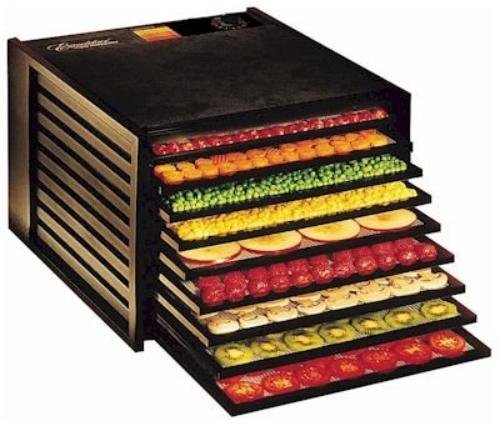
But when you circulate hot, dry air through the food, you remove the water from the food and stop the growth of those enzymes and bacteria.
Dehydrating food is one of the easiest and cheapest ways to preserve food.
Unlike with canning, you can open a package of dehydrated food, enjoy some of it and then seal up the bag for later use. Not so with canned food that you have to use all at once right away.
Foods that you dehydrate at home also typically have more nutrients than canned food. They contain far more of Vitamins A and C and have more fiber and minerals than canned or commercially dried food.
You need a sharp knife. An electric dehydrator is handy, but not necessary. It also helps to have a spatula, heavy-bottomed saucepans, a blender, a strainer and a steamer tray.
What Can You Dehydrate?
Fruits, vegetables, meats, fish, herbs, flowers and even frozen and canned foods can be dehydrated.
How to Dehydrate Food - Dehydrating Meat
Always follow the directions that come with your dehydrator extremely carefully especially when it comes to dehydrating meat. It's a good idea to first cook the meat you plan to dehydrate to 160 degrees Fahrenheit before you start dehydrating it. This will kill harmful bacteria such as salmonella and E coli.
Cut the meat into small strips and season them with either a marinade or your favorite spices. Spray your racks with a non-stick cooking spray or rub the tray with coconut oil. You will need a dehydrator with a temperature control so that you can keep the air within the dehydrator at a constant temperature of 145 degrees Fahrenheit or above.
To test your meat, allow a piece at room temperature and then try to break it. The meat is ready when you are unable to see any moisture inside it, but you are still able to twist and turn it.
Dehydrating Fruit
When learning how to dehydrate food, drying fruit is a great way to start. Simply cut the fruit into small, equal-sized pieces and place in a single layer in your dehydrator. Peel apples and bananas and dip them in lemon juice to keep them from turning brown. For pineapples, remove the tough skin and core and then cut the pineapple anyway you like.
For peaches, wash them thoroughly if you plan to leave the skins on and them dip them in lemon juice. You can also remove the skins by dropping them into boiling water for one minute and then dipping them in cold water.
Both fruits and vegetables should be dehydrated at a consistent temperature of 130 to 140 degrees Fahrenheit. Test your fruit for doneness by taking out a piece and allowing it to cool at room temperature. When the pieces are leathery and they don't stick together, then your fruit is ready to store and enjoy.
Dehydrating Vegetables
With the exception of onions, peppers and mushrooms, any vegetable you dehydrate should first be blanched by filling a large saucepan with water and bringing it to a boil. Also fill a medium sized bowl with ice and cold water. Once the water is boiling, trim the vegetables to the size you need and add them to the boiling water.
Boil the vegetables until they're barely cooked and then immediately drop them into the ice water to stop the cooking process. Dry the vegetables until they are brittle.
A Word of Caution
If mold starts growing on your dried foods, throw the whole package out.
Related article: Find the right dehydrator for you.
Learn More About Being Prepared
Return from How to Dehydrate Food to the Home Page
About the Author
My name is Sue Merriam, and I began the journey of self-reliant living more than three decades ago, which enabled me to stay home with my children. Fifteen years ago, I founded Joyful Homesteading to help others save money and face the future without fear. My goal is to give you practical, honest advice so you can save money and experience the joy of simple living. I hope you join me.
Recent Articles


-
Homesteading Legal Restrictions in HOA Communities
Aug 31, 26 05:48 PM
 Homesteading legal restrictions in HOA communities is possible, but check with your HOA and local laws.
 -
Solar Batteries for Emergency Backup During Outages at Home
Aug 19, 26 12:23 PM
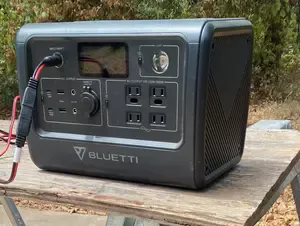 Learn what solar batteries can realistically power in an outage, how long they last, and what works best for you.
 -
Facts About Solar Panels
Aug 15, 26 10:30 PM
 Facts about solar panels are good to know when considering solar power for your off the grid homestead.