Dehydrating Peaches
Dehydrating peaches is one of the easiest ways to store a bounteous harvest. Learn to dehydrate peaches, and you will have a nutritional fruit that makes an excellent long-term storage food.
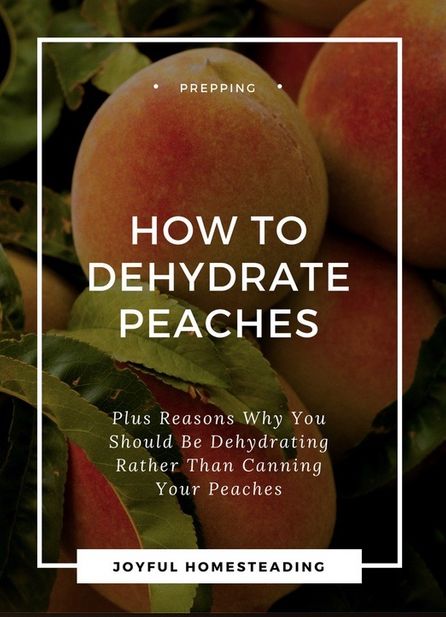
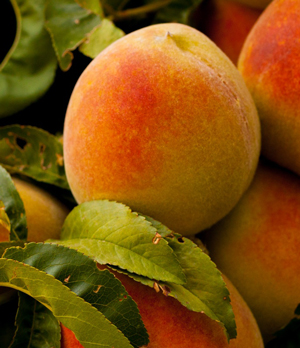
Last summer, my neighbor shared the bounty from his peach trees, and they are still sitting in my freezer, taking up space. Now I wish I had dehydrated them instead. I certainly plan to next time.
Why Dehydrated Peaches?
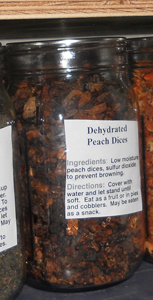
They have a longer shelf life, don’t take up as much space, and are pretty darn tasty to boot. My oldest son used to eat them straight out of the jar.
Use these to make a trail mix, or in any recipe that calls for canned peaches. Rehydrate the peaches by placing them in a pan and covering them with water. Bring the water to a boil and immediately reduce the heat. Simmer the peaches until they are tender. Then drain them and use them in any recipe you like.
Dehydrated peaches tend to be sweeter than fresh or canned peaches because the nutrients and natural sugars are denser.
Excellent Stored Nutrition
When most people think of ways to store their homegrown peaches, canning typically comes to mind. But choosing to dehydrate those peaches instead of canning them have many benefits including the following:
- Easier to Prepare - Canning peaches is a skill that must be learned and done carefully. Otherwise, the end result could be disastrous - botulism! But dehydrating peaches is much easier, especially if you are new to storing a bounty of peaches.
- Easier to Store - Because the water is removed from dehydrated fruits, the end result is lighter and takes up far less space.
- Lasts Longer - Can your bounty of peaches, and you will have to use them up within a year. Freeze those same peaches, and you have even less time - about six months, unless you vacuum seal them (then they'll last about two years). But dehydrated peaches, properly stored, can last for years, even decades.
- Denser Nutrition - Dehydrating peaches will take some of the nutrients out, but ounce for ounce, you will be getting far more nutrients and fiber than you would from the canned or even fresh variety. Because dried fruits have more fiber, they will improve your digestion and help you feel less hungry, a benefit if you are trying to lose weight.
Dehydrating Peaches - Getting Started
Choose the best possible peaches to dehydrate - no soft spots, worm holes or bruises. You can either leave the skins on or remove them. If you choose the leave the skins on, scrub your peaches to remove the fuzz (and pesticides if you bought your peaches as opposed to growing them yourself).
Like other fruits, peaches will turn brown once they have been cut and exposed to oxygen, so if you don't like brown peaches, you will need to soak your peaches in either lemon juice, sodium bisulfite, or other acidic fruit preserver. Even if you soak them in lemon juice, they will still likely turn brown; I'd advise dehydrating them without the lemon juice.
Preparing Your Fruit
Cut the peach all the way around. Then twist the peach, and it should separate in two sections. Cut and twist each half, and the pit should free more easily from the flesh. Slice your peaches and drop them in your acidic solution.
Once you have finished preparing all your fruit, drain your slices and place them close together, but not touching on your dehydrator trays. Don't stack the slices on top of each other, or your fruit won't dry properly.
Let your dehydrator run anywhere from six to twenty four hours or until the peach slices are pliable. Rotate the trays periodically for even drying.
Storing Dried Fruit
Oxygen will age and spoil your fruit, so once you have finished dehydrating peaches, store the slices in a quart-sized jar and either vacuum seal the jar or add an oxygen absorber and seal the lid on tightly.
Store the jars in a cool, dark place.
Properly stored, dehydrated peaches could last ten years or longer.
A Word of Caution
If mold starts growing on your dried foods, throw the whole package out.
Related article: Finding the right dehydrator for you.
Learn More About Frugal Cooking
Learn More About Being Prepared
Return from Dehydrating Peaches to the Home Page
About the Author
My name is Sue Merriam, and I began the journey of self-reliant living more than three decades ago, which enabled me to stay home with my children. Fifteen years ago, I founded Joyful Homesteading to help others save money and face the future without fear. My goal is to give you practical, honest advice so you can save money and experience the joy of simple living. I hope you join me.
Recent Articles


-
Homesteading Legal Restrictions in HOA Communities
Aug 31, 26 05:48 PM
 Homesteading legal restrictions in HOA communities is possible, but check with your HOA and local laws.
 -
Solar Batteries for Emergency Backup During Outages at Home
Aug 19, 26 12:23 PM
 Learn what solar batteries can realistically power in an outage, how long they last, and what works best for you.
 -
Facts About Solar Panels
Aug 15, 26 10:30 PM
 Facts about solar panels are good to know when considering solar power for your off the grid homestead.