How Much Backup Power
Do I Need for Emergency Preparedness?
How much backup power do I need? You can find that answer here.
This article may contain affiliate links. If you choose to buy through one of these links, I may earn a commission at no extra cost to you. I only recommend products that fit the topic and may genuinely be useful for practical household backup power and resilience planning. As always, use your own judgment and choose what works best for your home, needs, and budget.
How much backup power do I need for emergency preparedness? You may be asking yourself that question. And if you haven't, you should. After all, ice storms and other adverse weather could knock out your power for days or even weeks.
That's why having a backup power plan is just as important as having flashlights, emergency preparedness kits, and stored food. It's for peace of mind as much as it is for riding out an emergency.
The good news is, having backup power is simpler than you think. And you don't need to go to electrician school to learn how to implement and use a solar panel. Trust me, my husband and I are older now and not good at technology. If we can figure this out, anyone can.
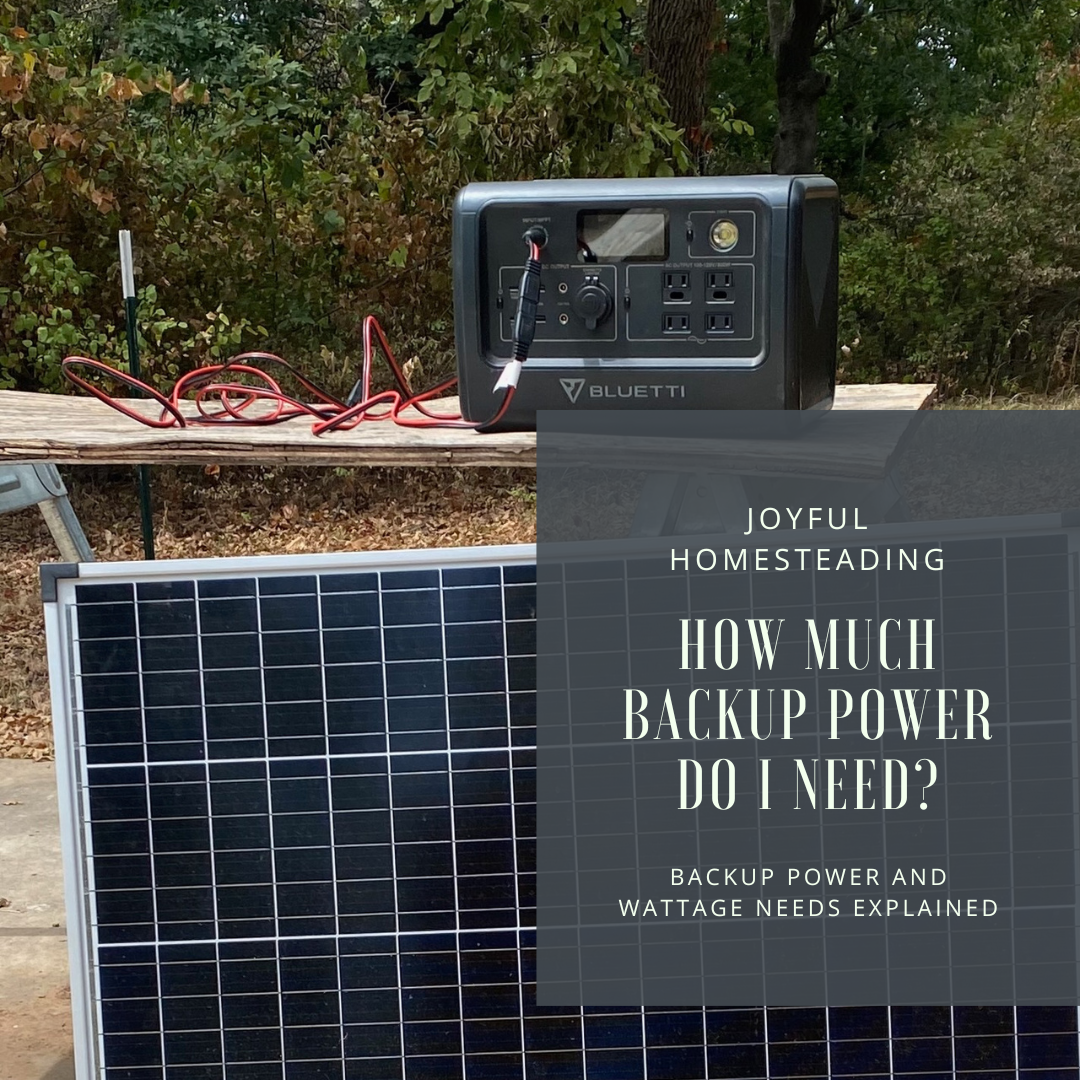
And it's also not as expensive as you might think. You can buy a good solar panel for around $150 at the time of this writing. And power stations, which hold the electrical charge coming from the solar panel, range in price anywhere from $300 to $1,000. They're not cheap, but good quality ones will last you for years.
Backup Power Can Feel Overwhelming
Trust me; I get it. I was overwhelmed too. Do I need to invest in a whole bunch of solar panels, and will I need to hire someone to install them? How in the world do I store the electricity those panels create? How many technical books do I need to figure this out?
After a while, it gets so overwhelming that you want to throw up your hands and hide your head in the sand.
Fortunately, there are simple, affordable solutions. So, without further ado, let's get to it. The first question you need to ask is:
How Much Backup Power Do I Need
To Keep My Devices Running?
Most backup systems will be limited compared to the glorious, all-powerful electricity that utility companies typically pipe into your home. You won't be able to run everything at the same time, so you will need to decide what devices you want to power the most.
Until you know the answer to the question, "How much backup power do I need?" you won't know if you have a sufficient power source in such situations.
So ask yourself: What devices are the most important to you? Is it your computer? Your phone? An iPad? Or is it something more practical, like a blender or air fryer? Whatever devices are most important to you, make a list and rank them in importance, like this:
- Refrigerator
- Freezer
- iPad
- Phone
- Computer
- Air Fryer
Then you need to determine how many watts each device needs to run, and the surge watts - those brief, intense surges of electricity the device needs when it first turns on. (The surges will apply to bigger devices, such as the refrigerator, freezer and air fryer. ) You will also need to know how long each device will be on during the day.
After doing some research online, you discover the following watt needs for each appliance:
- Refrigerator - 1,000 to 2,000 watts per day or 83 watts per hour
- Freezer - 600 to 1,500 watts per day
- iPad - 10 to 35 watts per charge
- Phone - between 5 to 100 watts per charge, depending on the phone
- Computer - between 30 to 300 watts per charge
- Air Fryer - between 1,200 and 1,800 watts while running
When it comes to a power outage, you have to be selective. What devices do you want running as opposed to what devices do you truly need?
Obviously, your air fryer won't be running continuously throughout the day, and you can turn off your fridge intermittently for about four hours before the food inside starts to perish. A full freezer can stay cold for between 24 and 48 hours before the food inside begins to thaw.
So, let's say it's an emergency, and you decide to run your refrigerator for about an hour, six times a day (and eat or freeze as much of that food as you can to prevent spoilage.) So your refrigerator needs at least 500 watts per day.
- Refrigerator - 500 watts
We won't worry about the freezer, unless the power outage is longer than two days. And do you really need to run that air fryer? Why not cook outdoors using a Camp Dutch Oven or an outdoor grill? So here's the revised list:
- Refrigerator - 500 watts
- iPad - 35 watts per day
- Phone - 100 watts per day
- Computer - 300 watts per day.
If you're wondering: How much backup power do I need? The answer is, you'll need a backup power system that provides you with about 1,000 watts per day. So if you invest in a 400-watt solar panel, and you expose it to the sun on a sunny day, you will get about 2,000 watt hours of electricity after five hours of exposure. That should be enough to run your refrigerator for a few hours every day as well as charge up your iPad, phone and computer.
What Do I Need To Get?
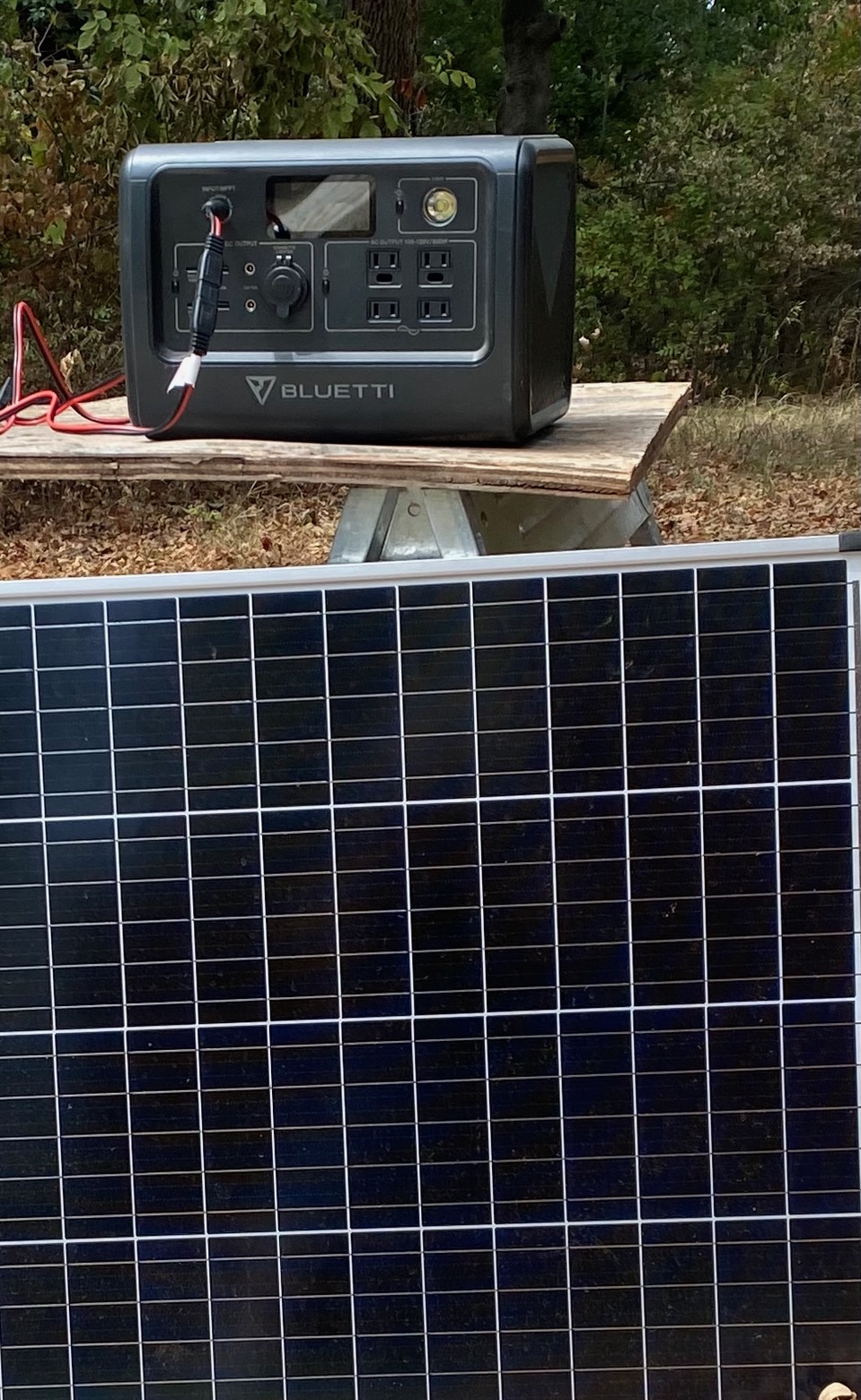
The best, most reliable, and most affordable backup power you can invest in is solar power. With a caveat: This only works on a sunny day, and you must have at least four to five hours of full sun to get reliable power.
So, why do I suggest at least a 400-watt solar panel or higher? Because not every day is going to be a sunny day. You will have cloudy or hazy days when you don't get the full sun.
I would recommend getting at least one, if not two, 400-watt solar panels or higher, in case the first panel breaks.
You Will Also Need A Power Bank
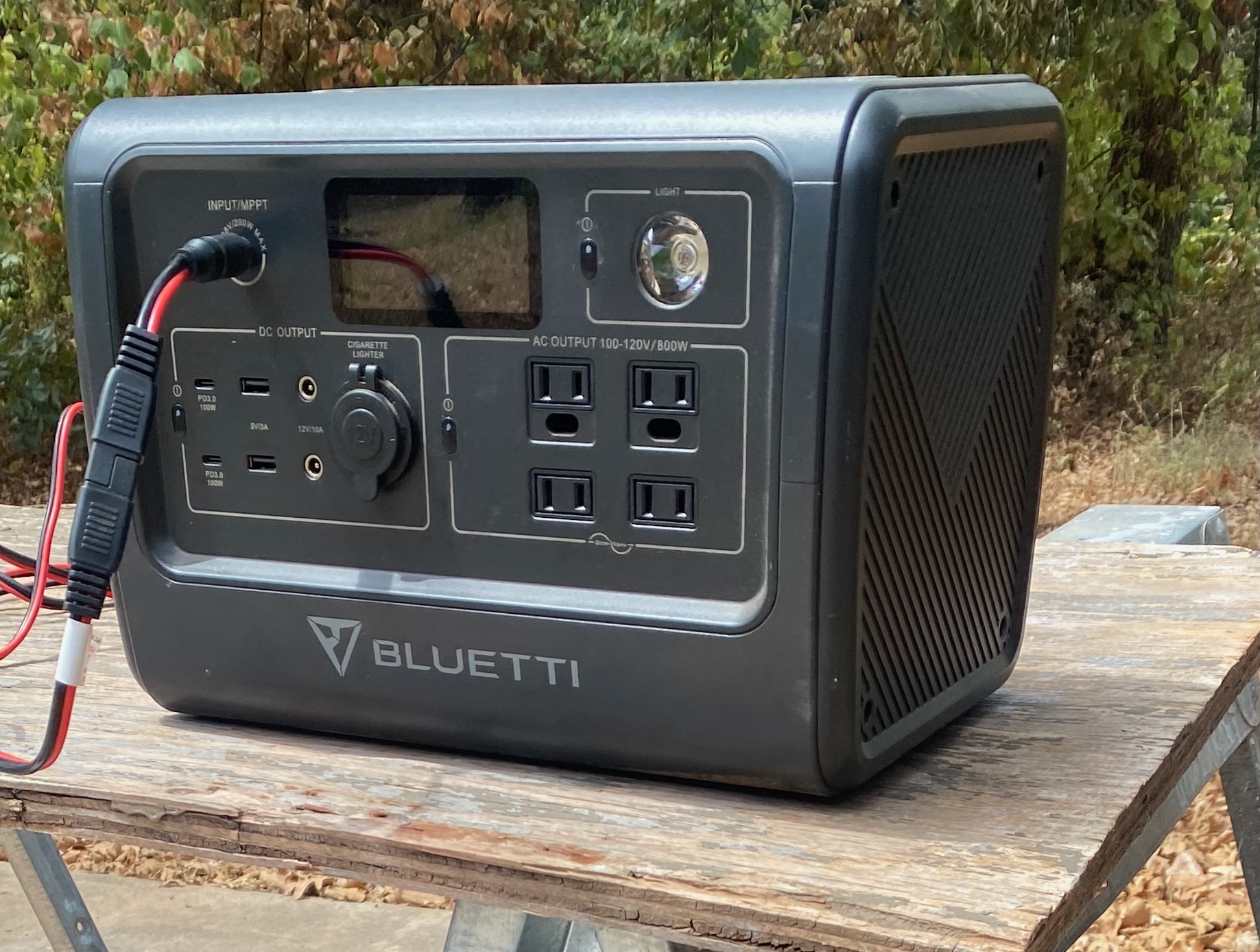
All that electricity your solar panels produce won't do you much good unless you either use it or store it.
Your solar panels will produce only direct current, meaning the electricity only runs one way. However, all of your appliances run on alternating current, meaning the electricity runs both ways. Plugging an alternating appliance into a direct current power source will ruin your appliance. Instead, you need to use an inverter or invest in a power bank to store that electricity and convert it when you need it.
My husband and I prefer using a power bank for ease of storage and use. We bought a Bluetti Power Station a few years ago, and it was well worth the investment.
What If I Want Something Other Than
A Solar Generator System?
While a solar power system is typically the most affordable, it isn't always practical, especially if you don't get much sun in your area. If that's the case for you, you can also invest in a gas generator or a propane generator.
Please keep in mind that you can't run a gas or propane generator in your home because of the fumes it produces. You will need to keep your generator in a garage.
Rick and I found that the simplest solution for us was to invest in a solar generator, but we also live in sunny Oklahoma.
Recent Articles


-
Benefits to Organic Gardening
Sep 21, 26 03:37 PM
 Benefits to organic gardening include the best, fresh delicious harvests.
 -
Homesteading Legal Restrictions in HOA Communities
Aug 31, 26 05:48 PM
 Homesteading legal restrictions in HOA communities is possible, but check with your HOA and local laws.
 -
Solar Batteries for Emergency Backup During Outages at Home
Aug 19, 26 12:23 PM
 Learn what solar batteries can realistically power in an outage, how long they last, and what works best for you.