Portable Propane Generators
Portable propane generators are a good investment if you plan to live on your own land, where you'll need an alternative power source should the lights go out. Any type of generator is a good investment, whether you use one powered by solar panels or a more conventional gas-powered generator.
We have a solar generator, but a propane generator can also be cost -effective and better for long-term storage. Here are some important things to know about propane generators.
What Are the Pros of a
Portable Propane Generator?
So what separates them from other generators? You'll find that a propane generator is a bit less expensive to run than the gasoline version, saving you money.
Also, propane is a much cleaner fuel that produces fewer toxic fumes, making it safer to use around the home. Propane tends to last longer than gasoline, and the fuel is easier to store. Propane has a really long shelf life, while gasoline will go bad after a few months unless you add in additives.
Because propane comes in its own tank, you don't have to pour propane into the generator - you can't anyway, because propane is a gas. That means less chance of the propane becoming contaminated.
Also, over the long run, propane generators need far less maintenance than the gas-powered generators do, meaning ease of use. A portable propane generator could last you for years.
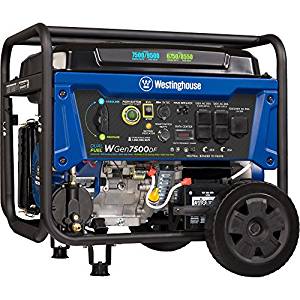
A portable generator that can run on propane, like this one, is a great way to be prepared.
With propane, you simply get a new propane tank, so you don't have to worry about gasoline spills or cleaning up afterwards. Portable propane generators can also be hooked up to your existing gas line in an emergency.
What Are the Cons of a
Portable Propane Generator?
Propane generators don’t produce as much energy as a gas-powered generator. Also, a propane generator is less efficient than a gas-powered generator, meaning you will have to swap out propane tanks more frequently.
Another downside of a propane generator is they don’t work as well in freezing temperatures. When the temperature drops, the pressure inside the propane tank drops as well. The engine can become starved of fuel, and the generator won’t run at full capacity.
With a propane generator, you will need more propane tanks, and those can take up extra space that could be used for other, more important purposes. Also, propane-powered generators can cost more than gas-engine generators.
Propane generators tend to be more expensive to purchase and to run, because propane costs more than gasoline.
How Much Power Do They Produce?
These generators typically come in sizes of 3,500 Watts, 6,000 Watts, 12,000 Watts, or 13,000 Watts.
With a 3,500-watt generator, you can start up and run most small appliances, such as a refrigerator or freezer, most kitchen appliances, and lights. You can also run an RV air conditioner with a 3,500-watt generator.
With a 6,000-Watt generator, you can run your home essentials at the same time, including your refrigerator, lights, a window AC unit, and a sump pump.
With a 12,000-Watt generator, you can run central air, essential appliances, lights, and your refrigerator.
With a 16,000-Watt generator, you can power your entire home.
What to Remember When Purchasing Portable Propane Generators
Think about how you plan to use your generator before you make a purchase. Do you just want to provide power for a few electrical devices? If that's the case for you, then a 3,000- to 6,000-watt generator should do the trick.
You likely won't want to run your central air on a propane generator and certainly not a central heater. A 2.5-ton central air conditioning unit will suck up 3,500 Watts per hour, while a central heater can use more than 26,500 Watts per hour in really cold climates, meaning you will probably have to rely on an alternative source of heat in an emergency.
But you can keep the blower on your furnace running to keep your pipes from freezing. Plus you can usually also run a refrigerator and freezer on a portable propane generator, to avoid frozen pipes and thawed food, two big plusses.
One Thing to Consider
Burning propane does produce carbon monoxide, so as with other generators, propane generators should never be run indoors.
A Wise Investment
It may seem like a big investment at the time, but by saving your pipes and your food, you'll definitely recoup your costs the next time the power goes out.
Learn More About Being Prepared
About the Author
My name is Sue Merriam, and I began the journey of self-reliant living more than three decades ago, which enabled me to stay home with my children. Fifteen years ago, I founded Joyful Homesteading to help others save money and face the future without fear. My goal is to give you practical, honest advice so you can save money and experience the joy of simple living. I hope you join me.
Recent Articles


-
Homesteading Legal Restrictions in HOA Communities
Aug 31, 26 05:48 PM
 Homesteading legal restrictions in HOA communities is possible, but check with your HOA and local laws.
 -
Solar Batteries for Emergency Backup During Outages at Home
Aug 19, 26 12:23 PM
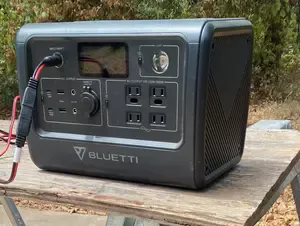 Learn what solar batteries can realistically power in an outage, how long they last, and what works best for you.
 -
Facts About Solar Panels
Aug 15, 26 10:30 PM
 Facts about solar panels are good to know when considering solar power for your off the grid homestead.