Homesteading Legal Restrictions in HOA Communities
Homesteading legal restrictions in HOA communities - can you pursue the homesteading lifestyle while living in an HOA community? Can you raise chickens or even goats? Or will your neighborhood homeowners association force you to get rid of them? Read on to learn more.
By the way, homesteading is completely different from the homestead exemption law.
Homesteading
|
Homestead Exemption
|
Many states in the United States offer a legal provision helping homeowners save money on property taxes. Known as a homestead exemption, this exemption can also protect home equity from creditors should the owners go bankrupt or face other financial hardships. That’s completely different from homesteading, which is a way to live self-sufficiently by raising one’s own food and pursuing a simpler lifestyle.
With that cleared up, let's talk about whether you can pursue the homestead lifestyle while living under the rule of the homeowners association.
Don't get me wrong; I'm not suggesting an HOA is tyrannical (although some of my friends living in neighborhoods governed by an HOA occasionally feel that way). Its entire purpose is to ensure the neighborhood maintains a certain standard so properties in the area don't lose their value.
It can be a good thing, and it can also be a pain. Especially if you don't pay attention to the rules.
Homesteading Legal Restrictions in HOA Communities - Can You
Homestead in an HOA?
The answer is sometimes. It depends on the homesteading legal restrictions in your HOA communities. Your homeowners association has created a covenant - binding rules that allow and prohibit certain activities in your neighborhood. These are written down as the development's Covenants, Conditions and Restrictions, also known as CC&Rs. These CC&Rs are binding on the property you bought or rent, applying not only to you, but to anyone who buys or rents the property after you.
Finding the homesteading legal restrictions in HOA communities will mean having to check the CC&Rs in your community. If you don't have a copy of the CC&Rs, you can obtain a copy by contacting the property manager in your community. If your community doesn't have a property manager, contact your HOA board of directors. You can also find the CC&Rs in the public records through the local county clerk's office by either visiting them in person or checking online.
While you're at it, check what the restrictions are in your city. You can find them by searching online. Type in the name of your city along with either the phrase "code of ordinances" or "municipal code".
Or you can contact the City Clerk's office. Your local library will also have a copy of the ordinances in your area.
What HOA's Commonly Restrict
Here are some of the more common homesteading activities HOA's tend to restrict:
Chickens, Bees and Other Livestock
Homesteading legal restrictions in HOA communities vary depending on the community and the type of animal (or insect) you want to keep:
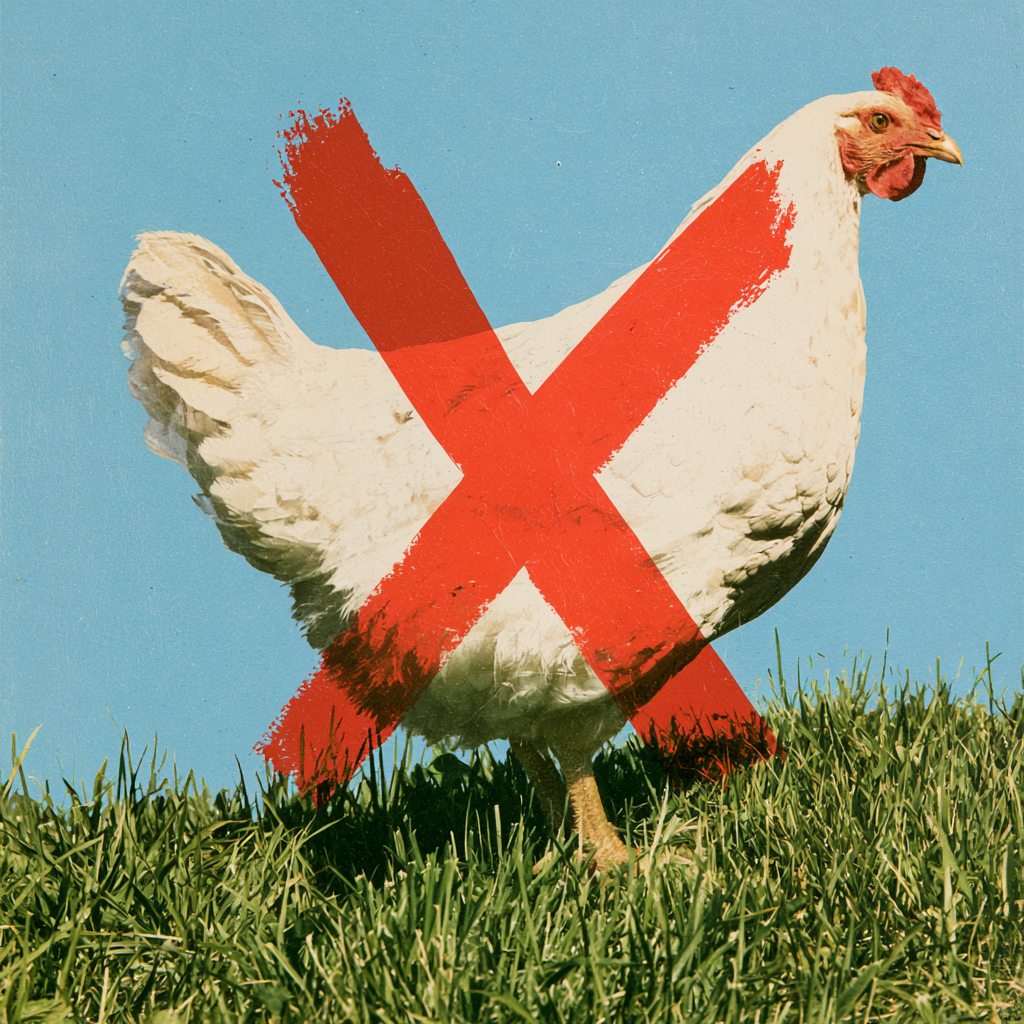
Chickens - Whether or not you can keep chickens will depend on your HOA’s CC&Rs, but many will allow a few hens. Roosters are generally frowned upon because of the noise they make, but hens tend to be quiet. Check the covenants, but you should be able to keep a few hens. Talk to your neighbors before you get chicks and explain the situation. Also offer them eggs regularly once your brood starts laying.
Bees - Again, the secret is to avoid being a nuisance. Check with your neighbors and make sure none of them are allergic to bees, and also offer honey regularly as a reward.
Other Livestock - Other livestock, such as goats, will likely be frowned upon. Most HOA's only allow dogs, cats, and small caged animals. Goats require more space, and probably won't work, but it doesn't hurt to check the CC&Rs anyway.
Because rabbits are small and can live in a cage, you can probably get away with raising those, although if you plan on raising rabbits for meat, find a spot away from prying eyes when it's butcher time.
Vegetable Gardens and Front Yard Gardens
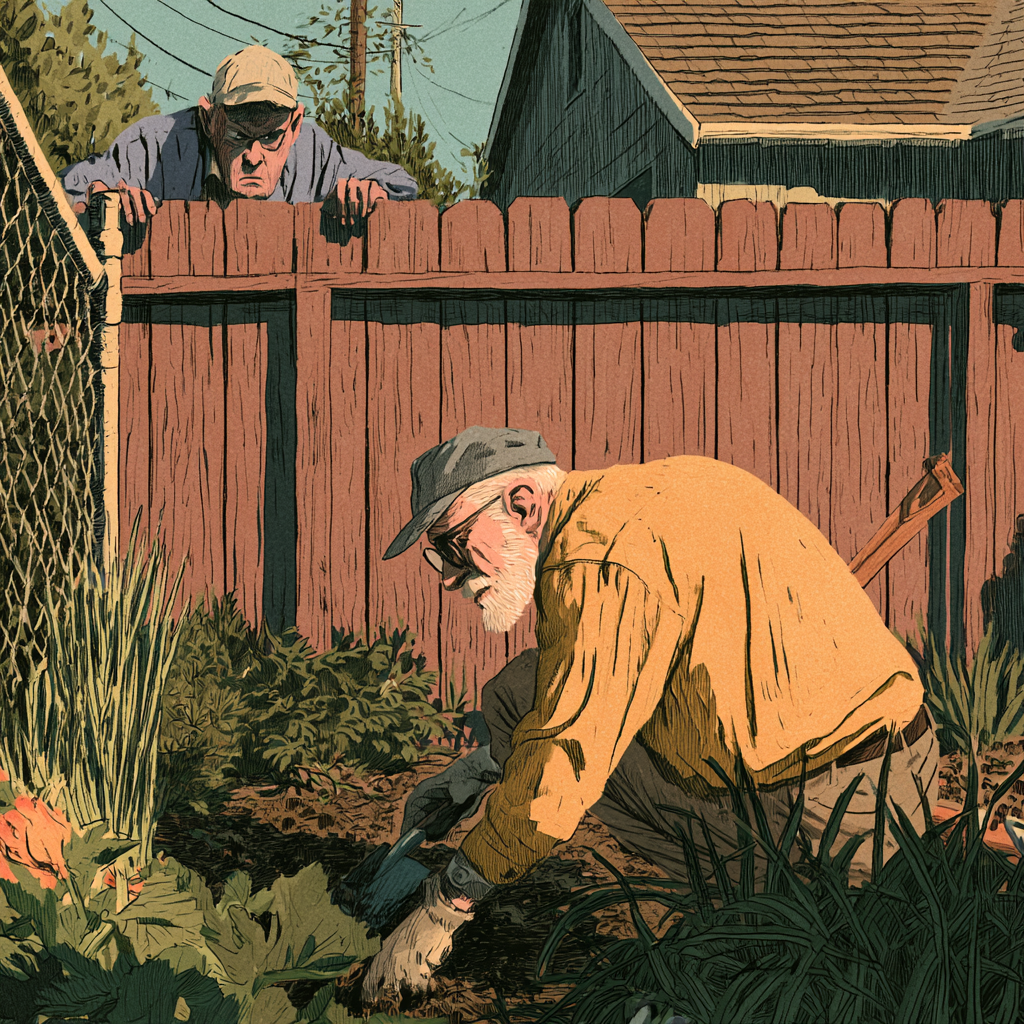
Again, the whole purpose of an HOA is to keep the neighborhood looking nice so property values don't decline. Homesteading legal restrictions in HOA communities will reflect that.
Vegetable gardens, for example, can look unkempt during the off-growing season, so it's not wise to grow vegetables in the front yard.
However, it's usually fine to grow vegetables in the back yard so long as it isn't visible from the street, and it is weeded regularly.
Compost Bins, Manure, and Odorous Issues
If it's smelly, you're likely to be in violation of the HOA's CC&Rs. Stir your compost regularly and keep it in a compost bin rather than in a pile. That way it's out of sight and less of an eyesore.
Rain Barrels and Water Collection
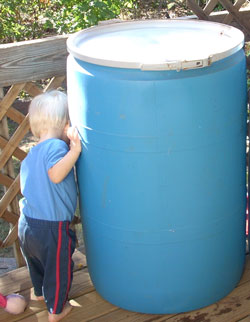
Some cities ban collecting rainwater, especially in dry areas. Check your city ordinances as well as your HOA rules. Some states, like Texas, have passed laws allowing citizens to collect rainwater, but your HOA can impose restrictions to ensure those rain barrels are attractive.
In short, don't use the blue barrels we've been using for years on our country acreage.
Sheds, Outbuildings, Greenhouses,
and Hoop Houses
Usually, you will need approval from your HOA before you add any building to your property, including sheds, outbuildings, greenhouses, and hoop houses. Again, your HOA will be concerned with how these buildings look, so make sure you show them exactly what you want to build and get their approval. Tearing down a building because you didn’t get approval can be expensive and heartbreaking.
Solar drying - the method of using the sun to dry your locally-grown vegetables may also be frowned upon if it is messy and visible from the street. Keep it neat.
Fencing, Screening, and Visibility Rules
If you have read this far, you may be tempted at this point to put up a privacy screen or other high fencing to keep out prying eyes. But keep in mind that your HOA may have rules about fencing as well.
Privacy screens are often viewed the same as fencing, so make sure you consult the CC&Rs before going to the time and expense of building anything. Also, your neighborhood HOA will likely have rules about how high any fence or screen you use to enclose your yard.
Which Rules Matter Most?
CC&Rs tend to cover items such as noise, fencing, renting your property and other restrictions.
Architectural Guidelines cover the designs and materials you use to add on to your home. Violating these guidelines could result in either warnings, fines, or even legal actions, so make sure you communicate with your HOA and your neighbors before making changes.
Rules and Regulations will cover topics such as maintaining your lawn, acceptable plants to have, and other aesthetic details.
The bylaws cover the day-to-day operations of your homeowners association. It covers how board members are elected, how long they can serve and what their duties and responsibilities are.
City zoning laws overrule any HOA covenants. Both are equally important and should be heeded, because both have authority over your property.
When State or Local Laws
May Limit HOA Restrictions
If your HOA covenants conflict with state or local laws, then local or state laws will override the covenants. For example, Texas allows homeowners to collect rainwater. An HOA that bans this in a Texas neighborhood can be overridden by state laws.
Related Link: Learn more about beginning homesteading.
About the Author
My name is Sue Merriam, and I began the journey of self-reliant living more than three decades ago, which enabled me to stay home with my children. Fifteen years ago, I founded Joyful Homesteading to help others save money and face the future without fear. My goal is to give you practical, honest advice so you can save money and experience the joy of simple living. I hope you join me.
Recent Articles


-
Benefits to Organic Gardening
Sep 21, 26 03:37 PM
 Benefits to organic gardening include the best, fresh delicious harvests.
 -
Homesteading Legal Restrictions in HOA Communities
Aug 31, 26 05:48 PM
 Homesteading legal restrictions in HOA communities is possible, but check with your HOA and local laws.
 -
Solar Batteries for Emergency Backup During Outages at Home
Aug 19, 26 12:23 PM
 Learn what solar batteries can realistically power in an outage, how long they last, and what works best for you.