Beginning Homesteading
Even Without an Acreage
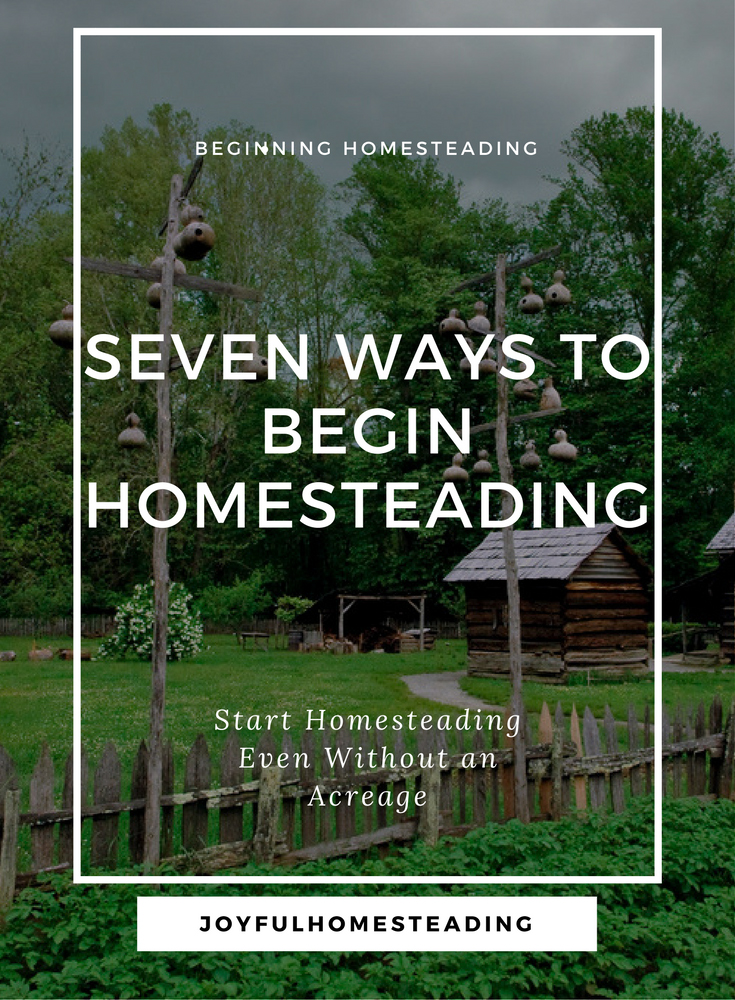
Beginning homesteading might be your dream and the reason you are reading this site. You hope to pursue the self-reliant life someday when you get that large - or even small - acreage.
But you don't need a large plot of land to pursue the homestead life. A backyard or even a balcony will suffice, so if you don't have much outdoor space, don't despair. The whole premise of this website is to teach you how to experience joy through simplicity.
Here are some tips on beginning homesteading - or self-reliant living - today, whatever your situation.
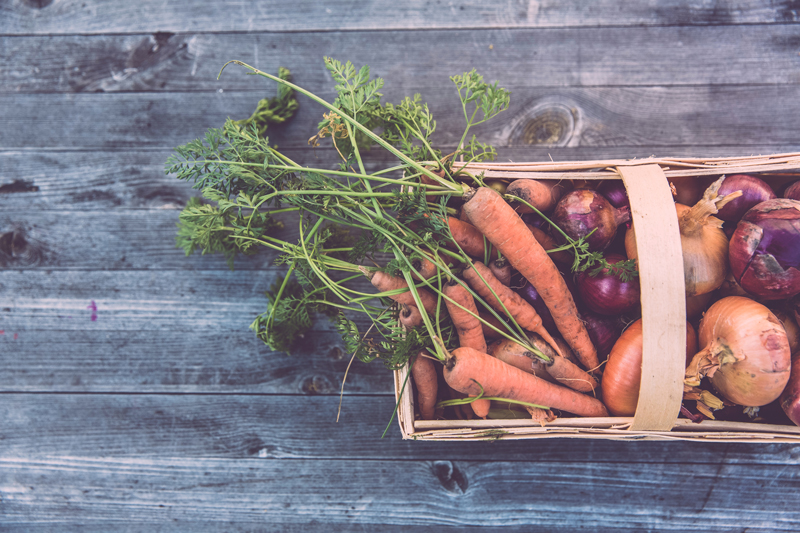
Photo by Markus Spiske
Grow a Garden
You can grow vegetables anywhere, including in containers on a balcony. By growing your own food, you not only get fresh and healthy vegetables, but you also derive the satisfaction of growing them yourself.
If you have some backyard space, consider planting a small garden or, better still, a raised bed garden. By starting a raised bed garden, you control the type of soil your plants grow in, and you will have far more satisfactory results.
If you can, keep your raised bed close to a sidewalk or other area where you walk frequently. That way, it will be easier to remember to water your garden (daily is best) and remove the weeds. By the way, it's much easier to weed a raised bed garden than other gardens because people and animals are less likely to trample on the soil, and it doesn't become compacted.
Compost
Save your carrot and potato peelings along with all other organic matter and throw them in a compost pile. If you have limited space, get a worm composter.
The only organic matter you shouldn't put in your pile is manure from animals that eat meat - otherwise you'll be likely to attract rats to your pile.
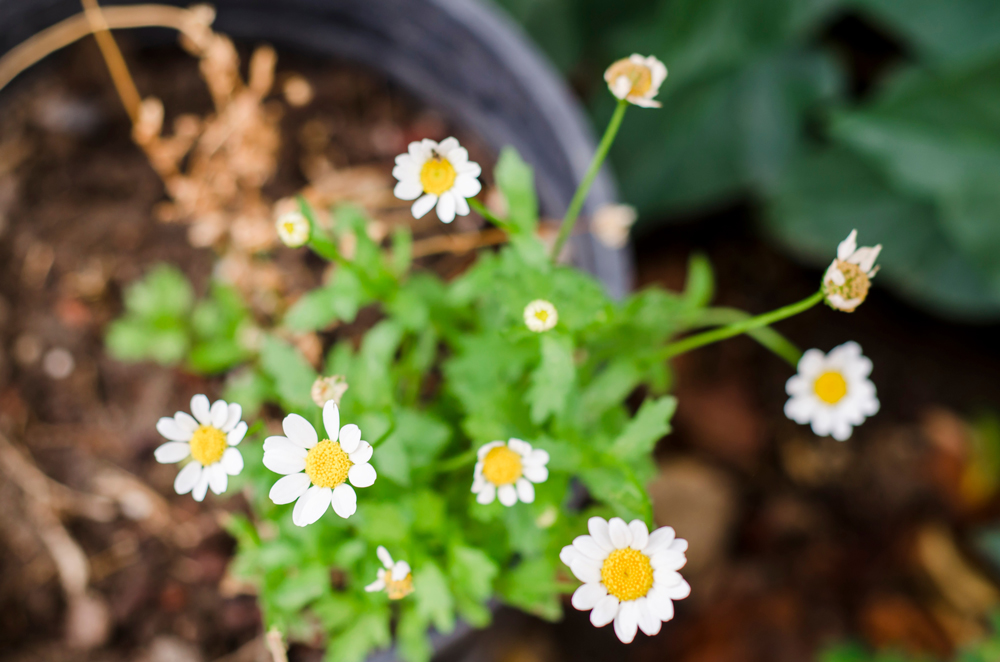
Photo by Ryan Vu
You'll be building wonderful, rich soil that will feed your plants and produce a healthy, bountiful garden. Learning to recycle waste is a great start to beginning homesteading.
Keep Chickens
Even city dwellers interested in beginning homesteading can keep a small flock in most suburban neighborhoods.
Hens don't need a rooster to be able to lay eggs, so focus on getting anywhere from four to six hens.
Just check your city ordinance before you order or purchase your birds, and if your town forbids chickens, work on getting a chicken ordinance passed.
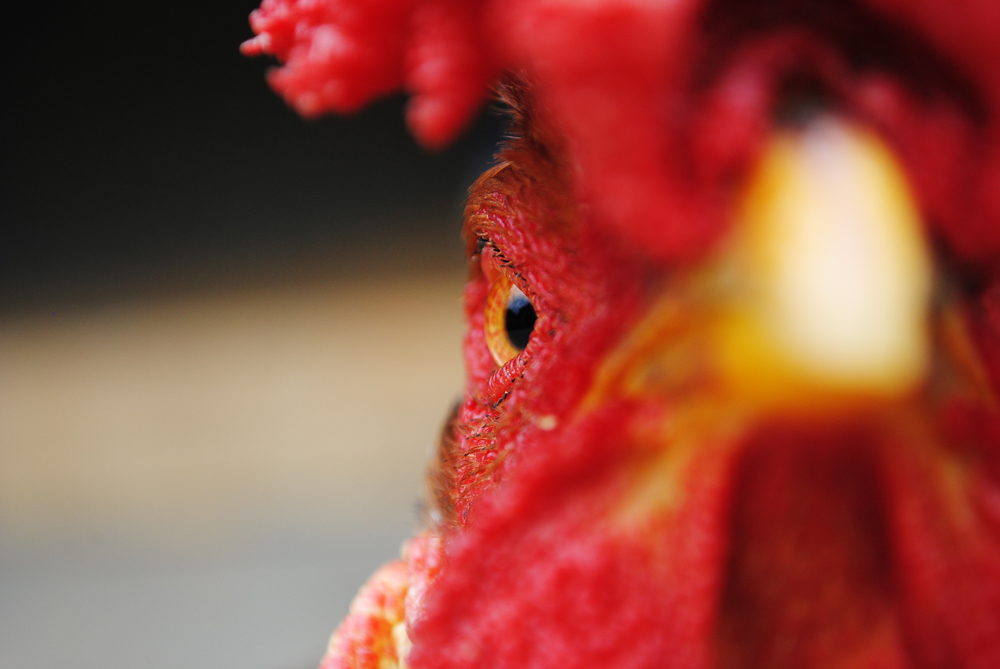
Photo by Jairo Alzate
You don't need a large flock of hens to be self-sufficient. Each hen will lay an egg on average about every 36 hours. Four hens will provide you with more than a dozen eggs per week.
Keep Goats
Goats don't need much space, especially the smaller breeds such as the Nigerian Dwarf breeds.
Even the smaller breeds will provide you with manure for your garden and milk.
Two dwarf does can produce about two gallons of milk per week - usually enough for the typical family.
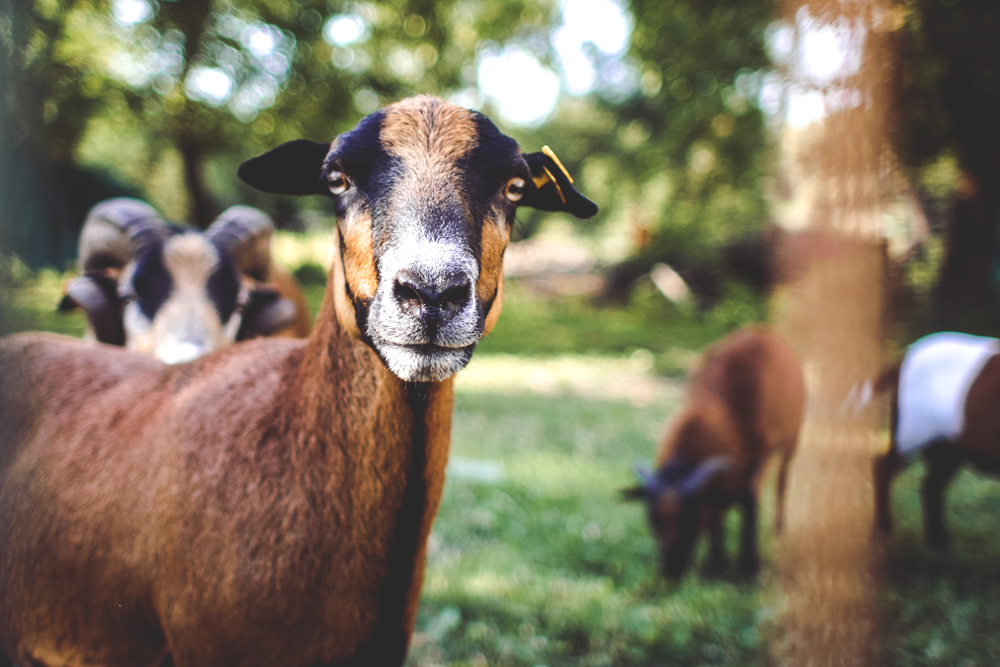
Portrait by PicJumbo
Beginning Homesteading by
Preserving Your Own Food
Buy quart-sized freezer bags and freeze the broccoli and peas that come from your garden. Buy a water-bath canner and can your tomatoes.
They'll be far better than anything you can find in a store.
If you want to learn about canning, an excellent reference is Putting Food By.
An even easier way to put food by is by dehydrating it.
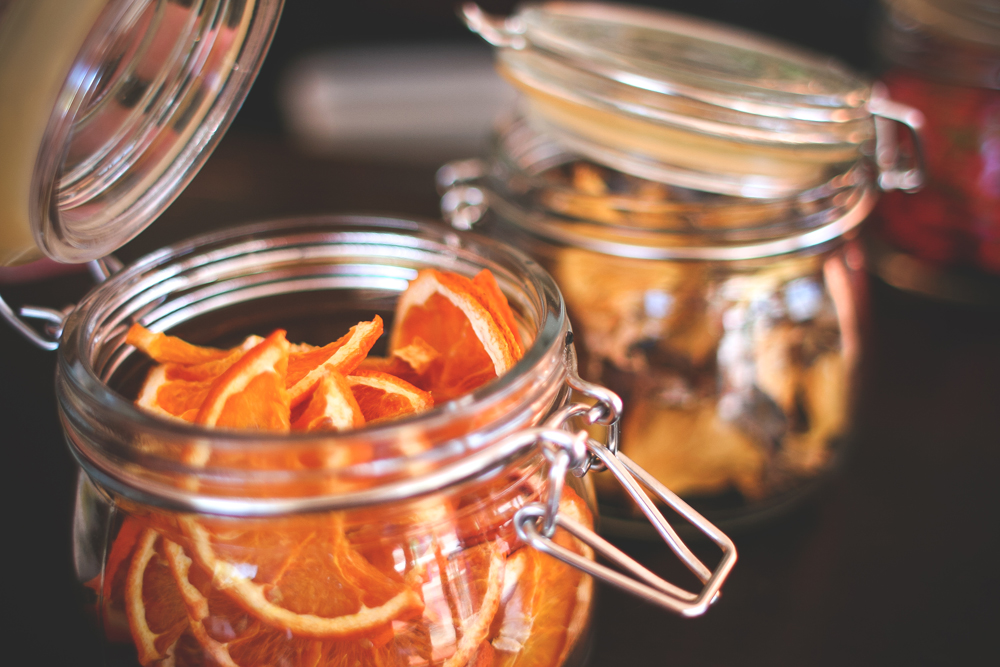
Photo by Viktor Hanacek
Buy in Bulk
Look for dealers who provide storable foods. Not all of it may be to your liking; the powdered butter, for example, takes some getting used to, but if you can afford it, buying items such as beans, oatmeal and whole grains in 50-pound bags is a great way to save money.
If you do buy the food in 50-pound bags, then you will need to divide it up into gallon-sized freezer bags and then store them in plastic buckets. Purchase new, unused buckets at a reasonable price at paint supply stores.
Practice Simplicity Now
Get rid of the clutter in your life. Here's a test to see whether you really need something: pack it away in a box, seal the box up, and store it in your closet for one year. If at the end of that year, you still have not used any of the items, take the box unopened, and donate it to a thrift store.
Return from Beginning Homesteading to the Home Page
About the Author
My name is Sue Merriam, and I began the journey of self-reliant living more than three decades ago, which enabled me to stay home with my children. Fifteen years ago, I founded Joyful Homesteading to help others save money and face the future without fear. My goal is to give you practical, honest advice so you can save money and experience the joy of simple living. I hope you join me.
Recent Articles


-
Homesteading Legal Restrictions in HOA Communities
Aug 31, 26 05:48 PM
 Homesteading legal restrictions in HOA communities is possible, but check with your HOA and local laws.
 -
Solar Batteries for Emergency Backup During Outages at Home
Aug 19, 26 12:23 PM
 Learn what solar batteries can realistically power in an outage, how long they last, and what works best for you.
 -
Facts About Solar Panels
Aug 15, 26 10:30 PM
 Facts about solar panels are good to know when considering solar power for your off the grid homestead.