Raising Organic Chickens
Raising organic chickens and having an organic chicken farm are terms that have been a headache for decades, because it's been so tough to define exactly what the word "organic" means.
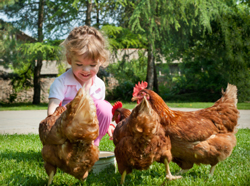
If you plan to raise chickens for you and your family, this isn't a problem. Let your chickens run free during the day, or better still, keep them in a chicken tractor so they have access to fresh grass and bugs every day while still having protection.
Then, even if you feed your chicken ordinary feed you buy at the local farmer's supply store, you will still have far healthier meat than anything you would get at the supermarket.
Your chickens will be happier and healthier, and you will end up with a healthier, cleaner meat.
But what if you want to raise and sell organic chickens? Can you do this? And if you do, what legal loopholes will you have to jump through?
If you sell less than $5,000 worth per year, this generally won't be a problem. But if you are raising organic chickens and sell more than that, things get a bit more complicated.
The USDA has been working to provide a universal set of standards through its National Organic Program. But, because many areas of how to raise chickens organically are still unclear, it is up to your local certifying agency to make the judgment call as to whether your chickens are organically produced.
According to Gail Damerow, author of Storey's Guide to Raising Chickens, here are some of the standards you must comply with before your chickens will be certified as organic:
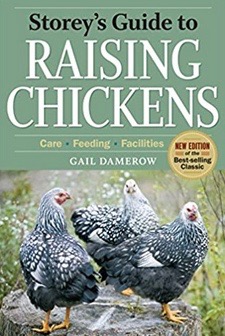
This guide is a must-have if you plan on raising chickens.
Raising Organic Chickens
1. Organic From the Start
All poultry and eggs must come from an organic chicken that has been raised organically from the second day of life. Not only that, but all of their food must be produced organically. If possible, you must give your organic chicken non-synthetic vitamins. Also, you cannot give them any animal byproducts, including meat and bone meal in their feed.
Fishmeal and crabmeal are okay; synthetic amino acids aren't. But you are allowed to give your chickens oyster shell and diatomaceous earth as long as they comply with the Federal Food, Drug, and Cosmetic Act.
2. Clean Feed
Because organic feed is so expensive, most organic poultry producers prefer to mix their own feed. If you go this route, you can either grow your own ingredients or buy them from local certified organic producers.
If you use a local mill, make sure that the mill does a thorough cleaning before handling your organic feed. You may not use any drugs to promote the growth of your organic chicken.
3. Some Physical Trimming Allowed
You may trim a bird's beak and toes as long as it is in the best interest of your flock. These are usually handled on a case-by-case basis, so proceed with caution.
4. Clean, Healthy Living Conditions Required
When raising organic chickens, your flock must have access to the outdoors, shade, shelter, room to exercise, fresh air and direct sunlight. You may not keep your flock continuously confined in cages, but temporary confinement is allowed if it is adequately justified - it is up to your certifying agency as to whether this will be permitted.
Chickens need dust wallows to keep parasites down. Diatomaceous earth is a good for this, so sprinkle it in their coop or tractor often.
5. No Antibiotics
You are expected to keep your flock healthy through preventative measures, such as good nutrition and providing them with clean, healthy living conditions. Protect the health of your flock by giving your chickens poultry probiotics made from organic materials.
No antibiotics or synthetic parasiticides such as coccidiostats are allowed. However, if a bird does become sick, you should treat it with medicine. You just won't be allowed to sell it as organic meat.
6. Clean Out the Manure
Keep the manure cleaned out regularly. Make sure it doesn't contaminate crops, soil or water. Add the manure to your compost pile.
For more information, contact the United States Department of Agriculture Agricultural Marketing Service.
Related article: What to consider when raising chickens for selling eggs.
Learn More About Chicken Farming
Learn More About Raising Chickens
Return from Raising Organic Chickens to the Home Page
About the Author
My name is Sue Merriam, and I began the journey of self-reliant living more than three decades ago, which enabled me to stay home with my children. Fifteen years ago, I founded Joyful Homesteading to help others save money and face the future without fear. My goal is to give you practical, honest advice so you can save money and experience the joy of simple living. I hope you join me.
Recent Articles


-
Homesteading Legal Restrictions in HOA Communities
Aug 31, 26 05:48 PM
 Homesteading legal restrictions in HOA communities is possible, but check with your HOA and local laws.
 -
Solar Batteries for Emergency Backup During Outages at Home
Aug 19, 26 12:23 PM
 Learn what solar batteries can realistically power in an outage, how long they last, and what works best for you.
 -
Facts About Solar Panels
Aug 15, 26 10:30 PM
 Facts about solar panels are good to know when considering solar power for your off the grid homestead.