Winter Chicken Care
Winter chicken care is something you may worry about if you live in a colder climate. You raised your lovely birds from chicks, and now you're worried: will your brood freeze to death in the bitter cold? Such worry is normal when caring for chickens. The good news is that chickens are a lot tougher than you think.
Still, stressed chickens are less likely to lay eggs than chickens who are relaxed and happy. Chickens are happiest - us too, for that matter - when the temperatures are between 60 and 75 degrees Fahrenheit. When the temps get colder, your hens could suffer from cold stress. If your chickens puff up their features, huddle together, or hold a foot up, those could be signs that they are cold. In such situations, you will need to take extra measures to ensure your chickens are healthy and happy.
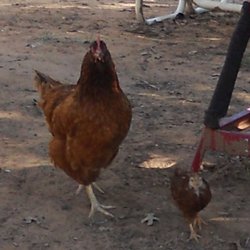
If you live in an area where winters are mild, all you'll have to do is provide shelter from rain and wind, make sure to provide them with fresh water daily, and your flock should be fine.
Chickens can handle very cold temperatures. If it doesn't get too low in the subzero temperatures, your chickens should be fine. If you live in a colder area, however, here are some tips to provide your flock with the best care.
Include Roosts in Your Chicken Coop
In order to stay warm, your chickens will need to be off the cold ground. Include roosting bars - wooden ones are the best - in your chicken coops so your flock can sleep up high where the air is warmer. Place your roosts approximately one foot off the ground and make sure there is at least nine inches of width for every chicken in the coop.
Winter Chicken Care Includes Fresh Water
Chickens don't like icy water and can't drink at all if it's frozen, so for good winter chicken care either provide a heated chicken waterer (you can find one here) or change your chickens' water twice daily. If you don't want to go outside twice a day to change your flock's water, you'll find a heated waterer is well worth the investment.
Block Out the Drafts
Block whatever holes are in the coop so no drafty winds can come in. If you haven't yet built your chicken coop, you could also insulate it, but make sure the insulation is sealed off so your chickens are tempted to peck at it.
Winter Chicken Care Includes Ventilation
But while you may want to insulate your coop, you don't want to cut off all ventilation. Chickens give off a lot of moisture both through respiration and droppings and need fresh air even in the winter.
One thing you can do is to add extra cardboard or even hay to the coop. Completely cover the dirty hay with clean hay. The old hay will decompose and heat up, the same way a compost pile does, providing your chickens with warmth during the winter and your garden with compost the following spring.
Provide Extra Nutrition for Good Winter Chicken Care
A late afternoon treat of scratch grains will provide your birds with a
full crop to digest throughout the night while they are roosting. Or add cayenne pepper to your birds' feed. They eat the pepper just fine, and it helps to keep them warm.
Also think about providing your flock with whole wheat.
The spilled kernels will sprout, providing your birds with fresh greens and excellent winter nutrition.
To help increase winter egg production, give your flock a Vitamin D supplement.
Get a Winter Breed
Different breeds of chickens handle the winter months better than others depending on how tightly woven their feathers are. If you live in an area that routinely gets cold in the winter months, get a hardy breed that can handle the cold. The breeds that do best in the winter months include:
- the Brahma
- the Cochin
- the New Hampshire
- the Orpington
- the Plymouth Rock
- the Rhode Island Red
- the Wyandotte
Investing in a hardy breed ensures your flock won't be as stressed and will be able to produce eggs for you even in the coldest winter months.
Related article: Learn more about chicken breeds by clicking here.
Learn More About Raising Chickens
Return from Winter Chicken Care to the Home Page
About the Author
My name is Sue Merriam, and I began the journey of self-reliant living more than three decades ago, which enabled me to stay home with my children. Fifteen years ago, I founded Joyful Homesteading to help others save money and face the future without fear. My goal is to give you practical, honest advice so you can save money and experience the joy of simple living. I hope you join me.
Recent Articles


-
Homesteading Legal Restrictions in HOA Communities
Aug 31, 26 05:48 PM
 Homesteading legal restrictions in HOA communities is possible, but check with your HOA and local laws.
 -
Solar Batteries for Emergency Backup During Outages at Home
Aug 19, 26 12:23 PM
 Learn what solar batteries can realistically power in an outage, how long they last, and what works best for you.
 -
Facts About Solar Panels
Aug 15, 26 10:30 PM
 Facts about solar panels are good to know when considering solar power for your off the grid homestead.