Windmills for Electricity
Windmills for electricity certainly aren’t a new concept. The rural windmill has been used for centuries to pump water out of the ground as well as to grind grain, and as far back as the nineteenth century, windmills were used to generate electricity. It's a shame these handy little machines went out of vogue for a while.
But the good news is, they're back, and they're better than ever.
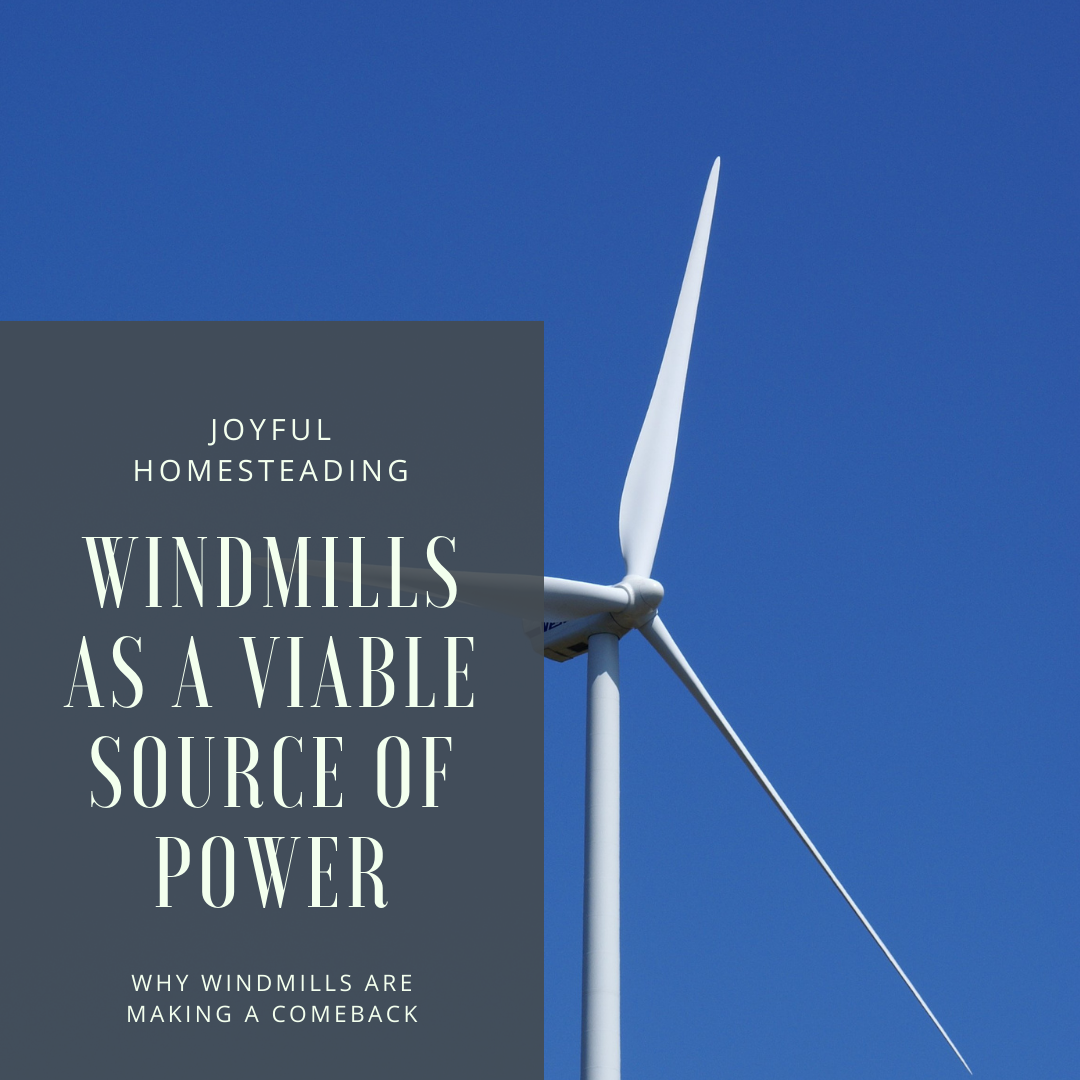
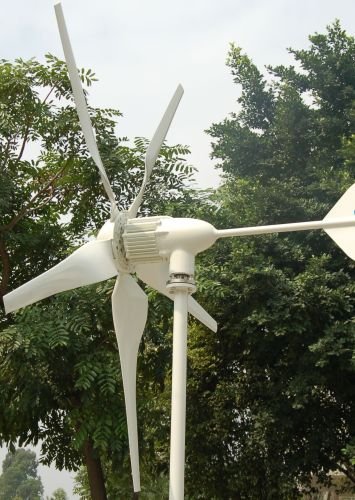
Windmills for Electricity, like this one, are now regaining popularity as an alternative source of energy.
With the advent of coal and oil, the windmill seemed destined to become a picturesque reminder of days gone by.
But
things have changed in recent years, and both companies and
self-reliant individuals are looking with new appreciation at the
windmill as a way to provide electricity at a lower cost.
For years, fossil fuels were cheap, but not so today; with rising oil costs and the concern by some that oil production has peaked and is now in decline, more and more people are looking for alternative, homegrown ways to produce power. You can't get much more homegrown than wind power.
Plus, windmill power doesn’t have a negative impact on the environment the way fossil fuels do.
But does that mean it’s time to run out and invest in a windmill? Not so fast.
Here are some basic facts and reasons why you might, or might not, consider investing in a windmill, or - as they’re called today - a wind turbine system.
How Windmills Work
As the wind pushes the blades of a windmill, they turn a large magnet rotating around a length of wire. This creates a magnetic field that electrifies the wire. An electric current then flows through the wire and is pushed through a transformer to convert that direct current (DC) into an alternating current (AC) that can be used in your home.
So what’s the difference between direct current and alternating current? The difference lies in the direction the current is flowing. With direct current, the electricity flows in only one direction. With alternating current, electricity flows in both directions.
You can use direct current for small appliances such as your laptop or smartphone. But alternating current is crucial for supplying power to your large household machines, including washing machines and refrigerators.
Are Using Windmills for Electricity
For You?
If you live in an area where the wind blows at a fairly steady rate, and you have some mechanical skills and aren’t afraid of heights, then a windmill might be a good alternative energy source for you.
And while installing a windmill has a high initial cost, it can save you thousands of dollars in the long run with a cheaper electric bill, as well as providing you with an energy source that will last for years.
But Keep in Mind
Using windmills for electricity is definitely not for everyone. You will need a good site and the right machine for the job. If your system is poorly designed or if you don't maintain it properly, you will have problems and end up discouraged. Installing and maintaining a windmill can be a pretty hairy experience, as you are working far above the ground. But you do get the satisfaction of investing in the future (and a nice view of your homestead!).
But overall, other sources of power might work better for you, depending on where you live. Solar panels in recent years have become much more affordable and are much easier to install. You can build a solar generator for less than $1,000, while a wind turbine system can cost more than six thousand dollars, depending on the system you choose.
Learn More
There are several good books available about wind power, including Wind Energy Basics, Second Edition: A Guide to Home and Community-Scale Wind-Energy Systems, and Wind Power for Dummies.
You can also find wind turbines online and purchase a Wind Generator Kit through Amazon.
Related article: Is Micro-Hydro Power Right for You?
Related article: Everything you need to know about solar panels.
Related article: Are you ready to go completely off the grid? Here's what you need to know.
Related article: Thinking about becoming more self-reliant? Here's what you need to know about homesteading.
Related article: The right filtration system for your family's survival.
Learn More About Self-Reliant Power Sources
About the Author
My name is Sue Merriam, and I began the journey of self-reliant living more than three decades ago, which enabled me to stay home with my children. Fifteen years ago, I founded Joyful Homesteading to help others save money and face the future without fear. My goal is to give you practical, honest advice so you can save money and experience the joy of simple living. I hope you join me.
Recent Articles


-
Homesteading Legal Restrictions in HOA Communities
Aug 31, 26 05:48 PM
 Homesteading legal restrictions in HOA communities is possible, but check with your HOA and local laws.
 -
Solar Batteries for Emergency Backup During Outages at Home
Aug 19, 26 12:23 PM
 Learn what solar batteries can realistically power in an outage, how long they last, and what works best for you.
 -
Facts About Solar Panels
Aug 15, 26 10:30 PM
 Facts about solar panels are good to know when considering solar power for your off the grid homestead.