Tips for Mulching
A few tips for mulching will strengthen the health of your organic garden and make your gardening attempts easier and more productive. Granted, successful gardening will take work, but using a few simple methods will make the work easier. Mulching is one of them.
Here are four reasons you should be mulching, along with some helpful tips for mulching.
Water Conservation
Mulching your garden beds helps your soil hold in moisture. That makes for a more efficient way of watering, with most of the water going into the ground and staying there much longer, calling for less watering overall and less evaporation.
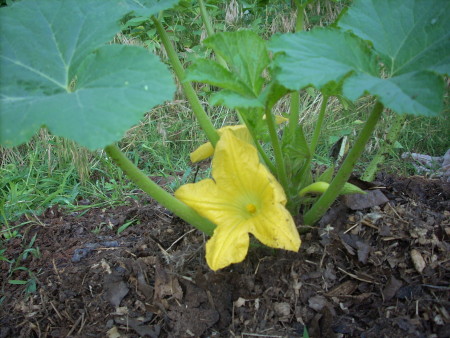
Raised beds are a great way to grow vegetables, but they dry out far more quickly than regular garden beds. Covering your soil with mulch helps prevent that.
Weed Control
Also, mulch keeps the weeds out. The fewer weeds in your garden, the fewer nutrients are being robbed from the soil that could go to the plants you want growing in your garden. Not only do weeds steal nutrients and water, but they can also attract pests that will damage your garden plants.
Yes, you should be weeding, but life happens. Work, travel, kids; all of these take chunks of time, giving us less garden time. Mulching helps keep those pesky weeds away.
Adding Mulch Helps Hold in Warmth
Mulching will also retain warmth in your garden soil. Warmer soil sprouts seeds faster and also helps keep your garden plants strong. This is especially crucial in the cooler months. Piling on the mulch will keep your plants from freezing. Mulching will also protect your soil from damage from the cold and will protect your plants as well.
Mulch Can Feed the Soil
Add the right mulch to your garden beds, and it will break down over time, adding nutrients to your soil and feeding your plants.
Tips for Mulching: Organic Matter Only
If you are planning on piling materials on your garden beds, it only makes sense to use materials that will eventually break down to become good, rich soil. So use only organic materials that will break down over time . That's the founding principle of organic gardening. Anything that is natural will work, but if you are planning on mulching, why not follow a few steps that will build your soil in the best possible way?
So one of the best tips for mulching would be one that encourages earthworms to come into your garden. Not only do they break up the soil, but they also fertilize it, providing the best possible nutrients for your soil. So you'd do well if the first layer of your mulch was wet newspapers. Place about three to four sheets of damp newspaper over your garden soil. They will attract earthworms, keep out weeds for a season or two, and eventually break down into rich soil.
Then, on top of the damp sheets of newspaper, pile on anything organic. Wood shavings or wood chips are the prettiest, but if you're not picky, you could also use dead leaves, pine needles, or straw. By the way, don't use hay because it has seeds, and you'll end up with more weeds than you can handle. Instead, use straw. It's a dead material that won't take off and grow.
So how much mulch will you need? A good rule of thumb is to cover your soil with between two and four inches of mulch. Not only will it protect your garden, but over time, it will break down and become richer soil for your garden, making for a healthy garden in the future.
The Best Way To Add Mulch
Before adding mulch to your garden bed, clear out all the weeds, along with any debris you don’t want in your garden. Then water your garden so that the soil is moist. Drop mulch onto the bed in small piles and spread it in your garden bed using a rake. Be sure to keep the mulch a few inches away from the stems of your plants so that water can get to them.
Related Articles
Use these composting techniques for the healthiest soil ever. Or take it one step further and make this compost tea for a natural and healthy fertilizer.
Earthworms are a gardener's best friend. They can break down organic matter and feed your garden. Think about having an earthworm farm.
Raised beds make gardening simpler. Here's why you should have raised beds.
Learn More About Organic Gardening
About the Author
My name is Sue Merriam, and I began the journey of self-reliant living more than three decades ago, which enabled me to stay home with my children. Fifteen years ago, I founded Joyful Homesteading to help others save money and face the future without fear. My goal is to give you practical, honest advice so you can save money and experience the joy of simple living. I hope you join me.
Recent Articles


-
Benefits to Organic Gardening
Sep 21, 26 03:37 PM
 Benefits to organic gardening include the best, fresh delicious harvests.
 -
Homesteading Legal Restrictions in HOA Communities
Aug 31, 26 05:48 PM
 Homesteading legal restrictions in HOA communities is possible, but check with your HOA and local laws.
 -
Solar Batteries for Emergency Backup During Outages at Home
Aug 19, 26 12:23 PM
 Learn what solar batteries can realistically power in an outage, how long they last, and what works best for you.