A Tiny House Floor Plan Is a Crucial Investment
A tiny house floor plan would have been really nice to have before we built our tiny home. Just saying.
Mind you, I'm thrilled we have a tiny house, and I'm grateful to be married to a brilliant carpenter who builds things really well.
Our normal-sized house is loaded with well-crafted bookshelves, desks, cabinets, drawers, you name it. Rick is very, very good at what he does.
So when I asked him to build a tiny house for our son, he very good-naturedly agreed. Our oldest son is of the age where he needs to be living in his own place, but rent in our area is ridiculously high.
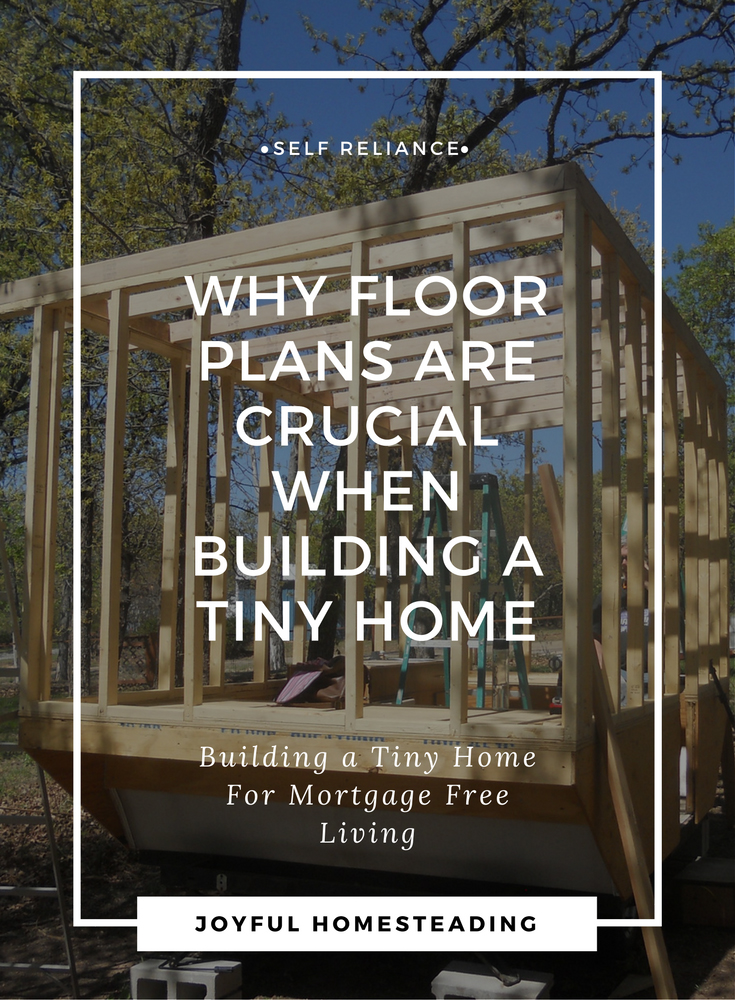
When I graduated from college, I found a cute little one-bedroom apartment that cost $360 a month. Those days are long gone; an apartment nowadays costs $800 per month or more.
Finding affordable housing is a real challenge for those who want to live on their own but have a low income.
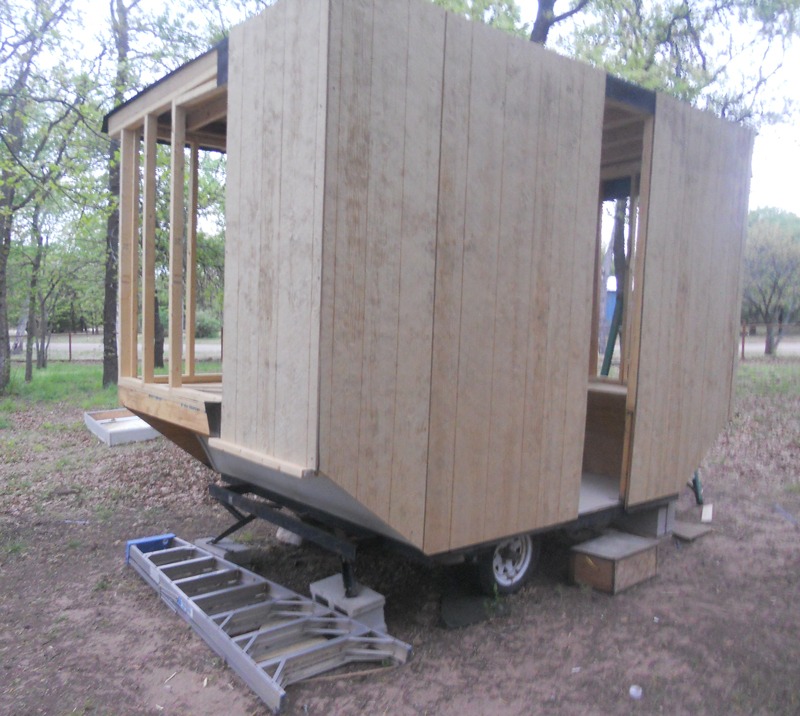
Our tiny house under construction. I really wish we had used a tiny house floor plan.
The Tiny House
Tiny houses are just the ticket for those looking for a low-cost way to live.
They are typically houses that are 200 square feet or less and make the best use of every nook and corner by adding lofts and lots of cupboards.
But neither one of us had ever seen the inside of a tiny home before my husband began building ours, and we had certainly never seen a tiny house floor plan.
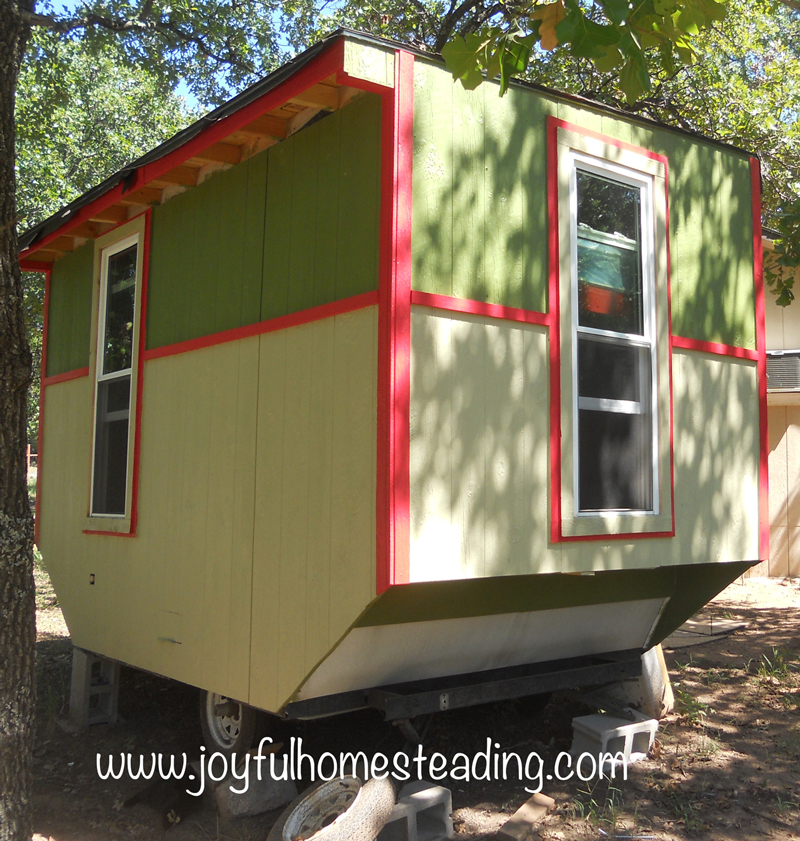
Our almost-finished tiny home.
As a result, we built our tiny home way too small. We had an old pop-up trailer on our propery that leaked, so Rick removed the top and built the home over the trailer. The house has about 70 square feet of floor space. The shower is tiny, and the composting toilet is between the bed and the shower, which is only about three feet from the tiny kitchen.
Our Tiny House Positives
On the plus side, our tiny house is affordable and fine for one person who is looking for an inexpensive place to live. It's about the size of a dorm room and has a microwave, small refrigerator and has a hot plate for cooking simple meals.
We're close enough to a college campus that we could easily rent this to a college student looking for a way to save costs while pursuing a degree.
But I Wish We'd Used This Tiny House Floor Plan
This cute little house has a bedroom, bathroom, kitchen and spacious loft. Cost of the house is less than $10,000. A great idea for someone wanting to avoid paying rent.
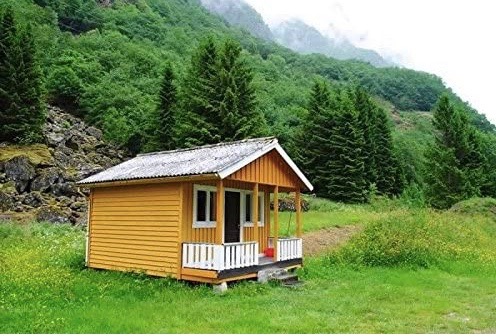
I really wish we'd used this tiny house floor plan instead. Find it here.
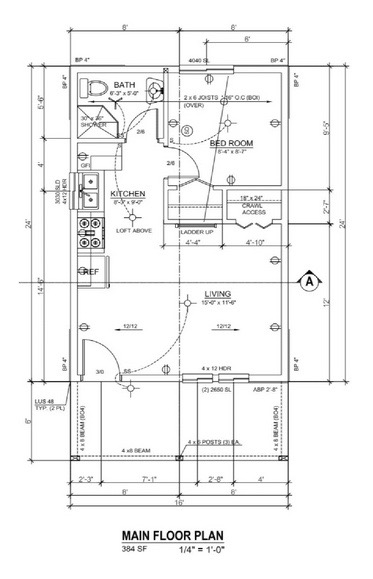
You can buy this floor plan for less than $100, and in 2020, the cost of materials was less than $8,000. A very affordable way to be mortgage-free.
What To Remember With a
Tiny House Floor Plan
Even though a tiny house is cheaper than a full-sized house, it still isn't cheap. These homes can cost more than $25,000, so take time when planning your home and remember these important things:
Think Carefully Before Adding Stairs.
Most tiny floor plans include stairs (often precarious-looking ones) that lead to a bedroom loft. That’s fine if you’re young, but for those older folks who are looking for an affordable place to live, avoid the stairs and plan on building a one-story building. Even if you are young, you may want to sell that tiny house someday, and it will be more marketable if it only has one story.
Lean Toward Open Floor Plans
Open floor plans make your small space seem bigger, even if it isn’t. And if you’re living alone, you don’t really need a separate bedroom. Instead, think about installing a Murphy bed that you can put up during the daytime. I’ve seen some really cool ones that convert into a desk during the daytime.
Plan for Lots of Storage
Take the time to plan out where you will put everything. Turn sofas and ottomans into storage units. If you do have stairs, they can be storage too. Consider everything that takes up space. Can it double as a storage unit?
Make Sure a Tiny Home Is For You
If you already have a piece of land that you plan to build on, think about buying a shed and modifying it so that you can live in it for cheap, and then live in it for a year or two. You may find you hate living in a small space, but you can save enough money to take out a loan for a larger home that you can build later.
Tiny homes look glamorous, but living in a small space isn't for everyone, so before you take the plunge and sink tens of thousands of dollars into a small home, make sure it's something you can live in for years.
Learn More About Frugal Living
About the Author
My name is Sue Merriam, and I began the journey of self-reliant living more than three decades ago, which enabled me to stay home with my children. Fifteen years ago, I founded Joyful Homesteading to help others save money and face the future without fear. My goal is to give you practical, honest advice so you can save money and experience the joy of simple living. I hope you join me.
Recent Articles


-
Homesteading Legal Restrictions in HOA Communities
Aug 31, 26 05:48 PM
 Homesteading legal restrictions in HOA communities is possible, but check with your HOA and local laws.
 -
Solar Batteries for Emergency Backup During Outages at Home
Aug 19, 26 12:23 PM
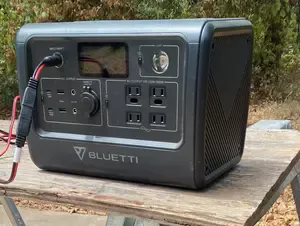 Learn what solar batteries can realistically power in an outage, how long they last, and what works best for you.
 -
Facts About Solar Panels
Aug 15, 26 10:30 PM
 Facts about solar panels are good to know when considering solar power for your off the grid homestead.