The Surprising Soap Berry Provides You With Free Soap
The soap berry tree doesn't look all that special at first glance. I've seen them since I was a child in my native land of Oklahoma and didn't think much of them, apart from the fact that I sure didn't want to eat them. But I've later come to learn the soap berries are highly useful to the self-reliant homesteader.
A soap berry is the dried nut from the Sapidus tree that originated from the Himalayas and now grows natively in the southern portion of the United States, including Florida, Kansas, Oklahoma, and Texas. These berries have been used to wash clothing for centuries in China, Nepal, and India.
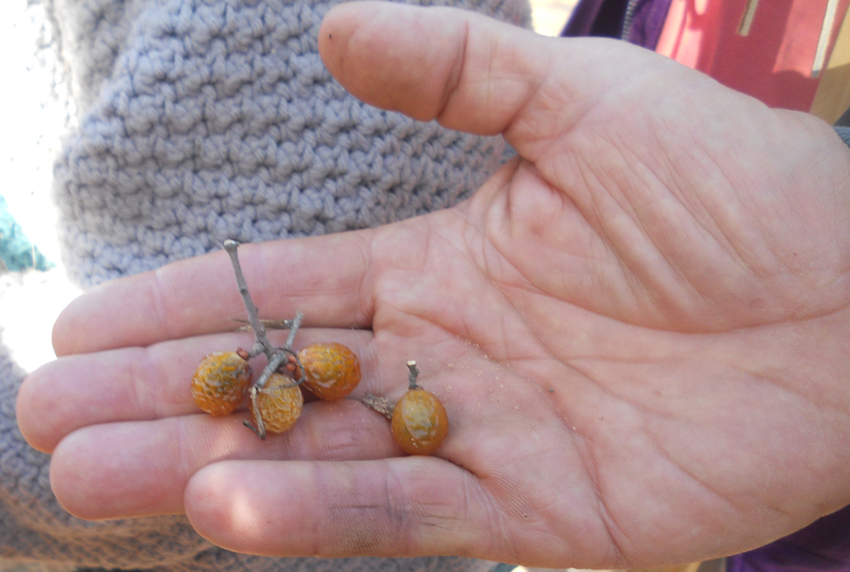
These berries come from a tree that is often scrawny-looking with a spindly trunk . The soap berry tree, or Sapindus tree, is typically twelve to fourteen feet high, although it can grow up to forty feet tall. The trees grow in groups and can provide decent shade.
But the real value of this unassuming tree is the berry that can provide you with a gentle, biodegradable soap.
And it's free if you're lucky enough to have a few of these trees growing on your property. These little trees often grow wild, so look around; you may have some growing in your area.
How to Recognize
The Soap Berry Tree
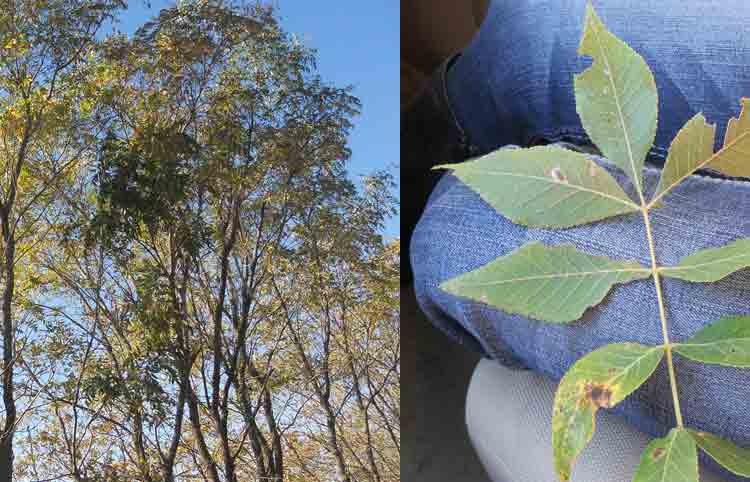
The picture on the left is a soap berry tree along with a close-up of one of its leaves. But the easiest way to recognize the tree is through the berries it produces.
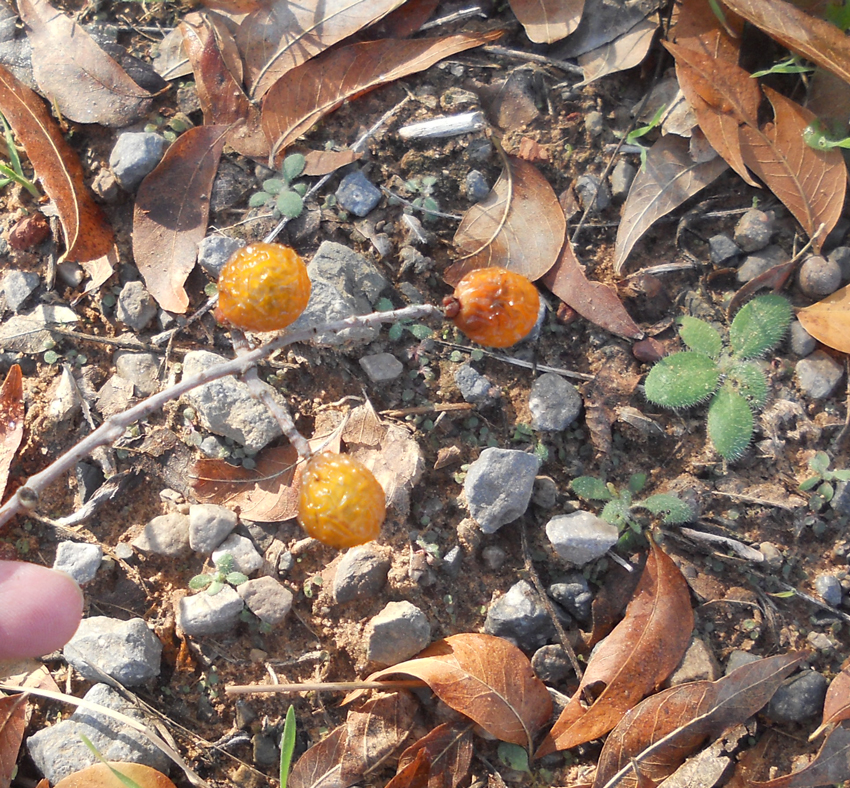
The berries are easy to recognize: They are a bright yellow, translucent
berry that is about one and a half centimeter in diameter. The black
seeds can be clearly seen through the translucent flesh of the berries. The berries start dropping from the trees in the late spring and can be harvested through the fall.
Either pick them from the tree or pick them up from the ground and store them in a large gunny sack. Hang the sack from a nail on the wall in your garage or utility room.
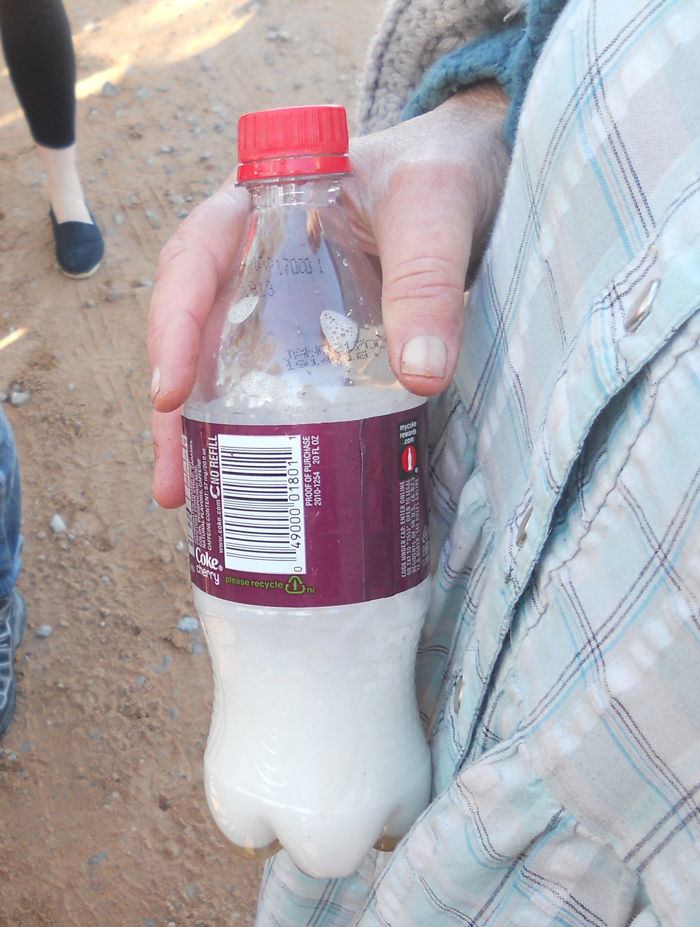
Place these berries in a jar and shake vigorously; suds will quickly appear.
If you're unsure about whether the berries you picked are actually soap berries, you can easily test them. Place a few berries in a half-full water bottle. Put the cap back on the bottle and shake it vigorously.
The berries will lather up and make a soapy water. That's because they're loaded with saponin, which is released when the berries come into contact with water.
Uses for the Soap Berry
You can make a liquid laundry detergent by putting six cups of water in a large pot along with about 60 soap berries. Bring the mixture to a boil, reduce the heat and allow it to simmer for two minutes. Remove the pot from the heat and strain the mixture to remove the seeds. Allow the strained liquid to cool and then use it as a liquid laundry detergent.
Because there are no preservatives, this mixture will spoil after a week if you leave it on the counter, so if you aren't planning to use it right away, store the mixture in the refrigerator. It will last up to three weeks.
By the way, while the strained seeds are still hot and slightly pliable, they can be made into beads by poking a hole through the center of the seeds with a large needle or thin nail. Use these all-natural beads to make necklaces, bracelets, or even a rosary.
But a more efficient way to use the humble soap berry is by placing about six of them into a small muslin bag and placing the bag into the washing machine with a load of laundry. The bag and the soap berries can be reused up to five times before they're ready to go into your compost pile. For extra dirty loads, add one-fourth a cup of baking soda into the load.
The lather from this berry is gentle enough to be used for hand soaps and even shampoos.
Growing Your Own
If you're not fortunate to have this tree growing on your property, look for this tree out in the wild. Harvest about 20 berries and remove the seeds. Soak the seeds in water for 24 hours and then plant them in rich soil in the early spring.
Learn More About Being Prepared
Return to Home
About the Author
My name is Sue Merriam, and I began the journey of self-reliant living more than three decades ago, which enabled me to stay home with my children. Fifteen years ago, I founded Joyful Homesteading to help others save money and face the future without fear. My goal is to give you practical, honest advice so you can save money and experience the joy of simple living. I hope you join me.
Recent Articles


-
Homesteading Legal Restrictions in HOA Communities
Aug 31, 26 05:48 PM
 Homesteading legal restrictions in HOA communities is possible, but check with your HOA and local laws.
 -
Solar Batteries for Emergency Backup During Outages at Home
Aug 19, 26 12:23 PM
 Learn what solar batteries can realistically power in an outage, how long they last, and what works best for you.
 -
Facts About Solar Panels
Aug 15, 26 10:30 PM
 Facts about solar panels are good to know when considering solar power for your off the grid homestead.