Plantain Plant
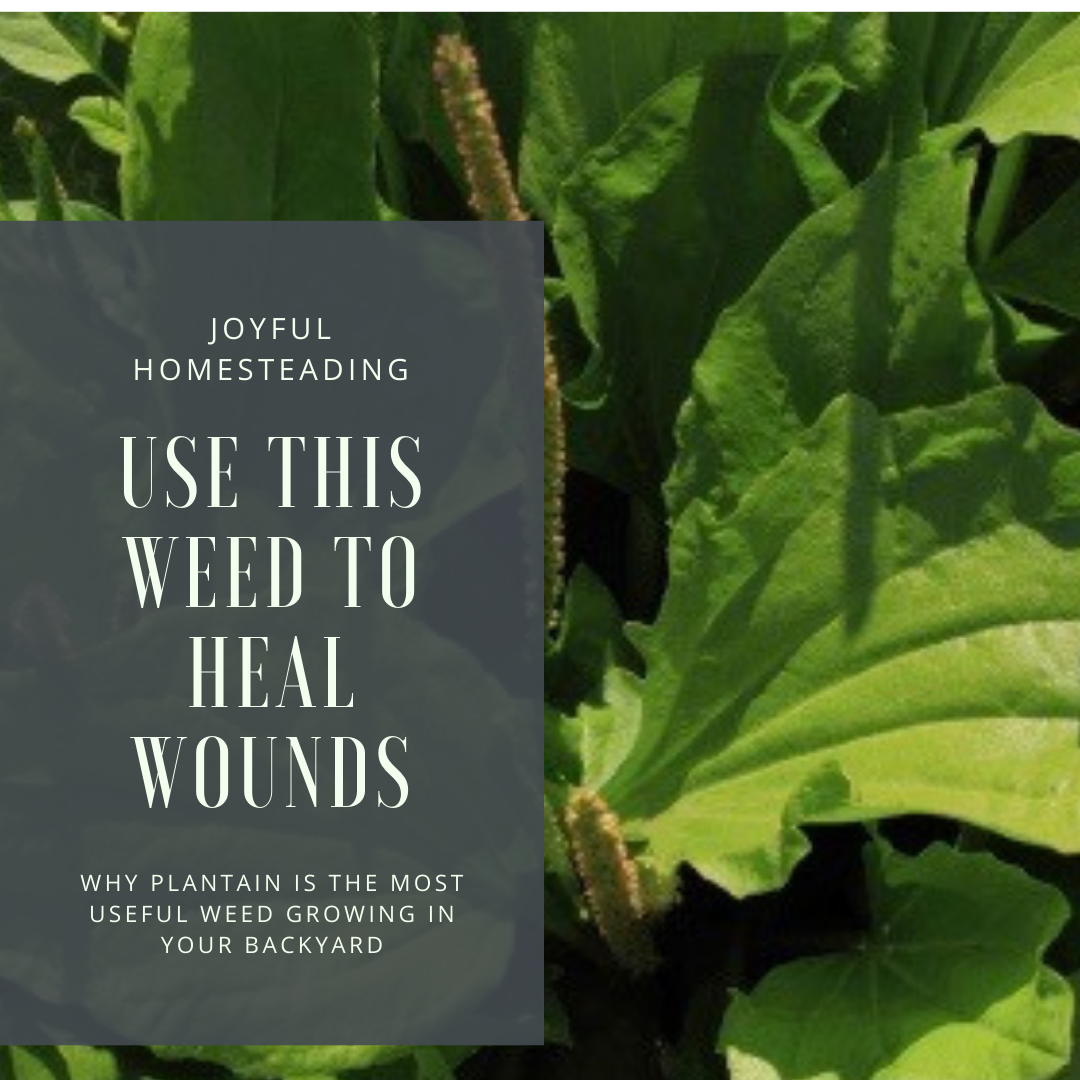
The plantain plant is a handy medicinal herb that might be growing unnoticed in your backyard or field. This common wild plant is not only an edible plant, but it can also work powerfully to heal wounds and infections.
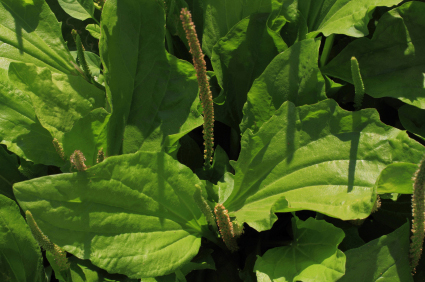
By the way, these plants shouldn't be confused with the plantain that looks like a banana and has to be cooked. What I am talking about here is the Plantago, a leafy plant with oval leaves and short stems that lies close to the ground.
These plants originated in Europe and were likely brought over by early explorers. It's easy to grow just about anywhere, so by the early 1700s, the plantago was considered a native plant. Like the dandelion, these are hardy little plants that can survive even in poor soils with little moisture, and like the dandelion, they'll crop up anywhere, including sidewalk cracks and backyards and open, sunny meadows.
Like most leafy greens, the plantain plant gets bitter as it gets older and bigger, so if you are looking for a salad green, you will want to harvest these plants when they are small with young leaves. You can harvest and eat the older plants, but you will need to boil them to get the bitter taste out. Make a soup out of them instead, along with potatoes, onions, and herbs.
Highly Nutritious
Plantain plants are high in Vitamin A and contain beta carotene and calcium and fiber that can help reduce cholesterol.
Medicinal Uses
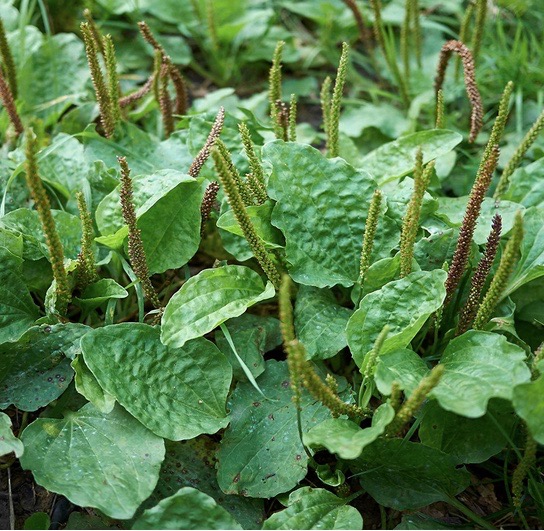
Can't find plantain plants on your property. You can grow it with seeds you can find here.
Plantago contains saponins (think soap that cleans your insides) that can fight against the bacteria that can cause skin infections, strep throat, and tetanus. Gather a handful of fresh leaves, crush them a bit, and then place them in a cup and pour boiling water over them.
Allow the mixture to steep for 10 minutes and sweeten with honey or stevia. Drink this tea to fight a sore throat or other infection. Or forget the sweeteners and allow the infusion to cool completely before applying at a rinse to a wound.
According to the book, Identifying and Harvesting Edible and Medicinal Plants, if you have a rash or insect bite, shred the leaf with your fingernails and repeatedly rub it on the trouble spot. You should have relief within 15 minutes.
Because it does contain fiber, plantago can also work as a gentle laxative and will help with appetite control. Also, chewing on the fresh leaves will help sweeten your breath.
Can I Grow the Plantain Plant?
Plantain is a tropical plant, meaning it needs tropical and humid climates to survive. That being said, it can grow in USDA Hardiness Zones 3 to 12 in the summertime.
You’re much better off growing your own plantain than foraging for it, especially if the only plantain you find is along roadsides. That’s because you never know if an area has been sprayed or not, so keep it safe by growing your own or harvesting plantain you find growing on land that you know about.
If you do decide to grow your own plantain, you’ll find it an easy task. It is a weed after all, meaning it grows easily. Plantain is an adaptable perennial plant. It can grow just about anywhere. Plant the seeds directly into the soil. Plantain isn’t picky about the type of soil it grows in. It tolerates sandy and rocky soils as well as fertile ones.
Stratification, or chilling the seeds in the refrigerator for a week before planting them, will help them germinate better.
Once plantain is established, it can spread easily, so you will need to contain the plant. Each plant can produce more than 20,000 small, light seeds that can blow far and wide in the wind. Because the leaves remain low to the ground, it resists mowing.
Once the plant is established, you can harvest plantain by either cutting off individual leaves or digging up the roots using a garden fork. Wash the leaves thoroughly before using them.
Dry the leaves and store them in quart-sized canning jars to use throughout the year for tea and other medicinal purposes.
Related Article: Tips on foraging in the wild.
Learn More About Medicinal Herbs
Learn More About Being Prepared
Return from Plantain Plant to the Home Page
About the Author
My name is Sue Merriam, and I began the journey of self-reliant living more than three decades ago, which enabled me to stay home with my children. Fifteen years ago, I founded Joyful Homesteading to help others save money and face the future without fear. My goal is to give you practical, honest advice so you can save money and experience the joy of simple living. I hope you join me.
Recent Articles


-
Homesteading Legal Restrictions in HOA Communities
Aug 31, 26 05:48 PM
 Homesteading legal restrictions in HOA communities is possible, but check with your HOA and local laws.
 -
Solar Batteries for Emergency Backup During Outages at Home
Aug 19, 26 12:23 PM
 Learn what solar batteries can realistically power in an outage, how long they last, and what works best for you.
 -
Facts About Solar Panels
Aug 15, 26 10:30 PM
 Facts about solar panels are good to know when considering solar power for your off the grid homestead.