Non GMO Foods
Non GMO foods are absolutely crucial to good health. If you aren't aware of the dangers of GMOs, or genetically modified organisms, you may be consuming these unhealthy foods without realizing it.
What is GMO?
GMO stands for genetically modified organisms, the by-product of splicing genes from one species - plant, animal, bacterial, or even viral - into the DNA of another.
Many of the processed foods that are on the market are made with genetically modified foods. Studies are starting to show that these foods could be detrimental to your health. Research is showing that a steady diet of GMOs can wreak havoc with your health, causing chronic illnesses, organ disruption, and even cancer.
GMOs Could Cause Cancer
GMO herbicides increase your risk of cancer. One of the largest genetically modified crops in the world is soybeans, which are used to make many foods as well as the oil that companies use to prepare processed foods. Studies have shown that glyphosate residues - a known carcinogen - have been found in soy products. Exposure to glyphosate increases your risk of cancer.
GMOs Can Be Toxic
Government studies have shown that genetically modified foods have a toxic effect on the organs of animals eating them. Based on such studies, it’s possible that these foods can be the root cause of diseases due to organ damage. Do you really want to eat something that damages your internal organs?
GMOs Rob Your Body of Nutrients
Many of the GMOs are additives that are low in nutrients and that are used in highly processed foods. Every time you eat a processed food, you are filling your stomach with filler and very few nutrients. Good nutrition is crucial to wellness, and without sufficient fuel, your body will suffer.
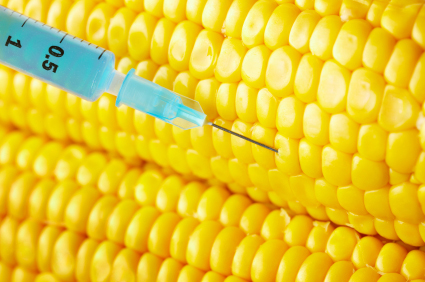
It's a no-brainer that this is one food everyone should be avoiding. Unfortunately, companies aren't required to label their foods and let consumers know whether their products contain GMOs. So how are you to know what you are buying are non GMO foods?
Here are some tips for obtaining foods that don't have GMOs.
Processed Foods and GMOs
One way to avoid GMOs in your diet is to avoid processed foods. One study revealed that up to 80 percent of all processed foods contain GMOs. Cooking your meals from scratch as much as possible will help ensure you are eating a diet free of GMOs.
For those times when you do need something quick and simple, the The GMO Food Guide provides you with the names of companies that use only non gmo ingredients in their foods.
Finding Non GMO Foods in Fresh Produce
Because the toxins in GMOs are systemic, meaning they are a part of the
plant, simply scrubbing commercially produced fruits and vegetables
isn't enough.
Commercially produced crops including corn, alfalfa, papaya, soy, sugar
beets, zucchini and yellow summer squash are at a high risk of
containing GMOs.
It's crucial that you either purchase the organic version of these
fruits and vegetables or grow them yourself.
Potatoes and tomatoes used to be relatively safe, but as of 2015, GMO potatoes were being introduced into the market. As of early 2016, tomatoes were still relatively safe, but you are still better off either growing your own tomatoes or buying the organic variety.
Animal Products
Unfortunately, commercially produced meat, milk, eggs and honey are at high risk of containing GMOs because of the contamination of GMOs in their feed. The way to avoid this is to keep chickens and feed them organic feed. In addition, keeping them in a chicken tractor will ensure they have a daily diet of fresh grass and bugs.
Watch Your Ingredients
Many common ingredients found in foods are often derived from crops at
risk of containing GMOs.
These ingredients include amino acids, aspartame, ascorbic acid, sodium
ascorbate, Vitamin C, Citric Acid, Sodium Citrate, both "natural" and
"artificial" flavorings, high-fructose corn syrup, hydrolyzed vegetable
protein, lactic acid, maltodextrins, molasses, monosodium glutamate
(also known as MSG), sucrose, texturized vegetable protein (TVP),
xanthan gum, vitamins and yeast products.
By supporting companies that refuse to use GMOs in their products, we
can all send a message loud and clear that using GMOs is not only bad
for our health and the environment, but it's just plain bad business as
well.
Learn More About Healthy Cooking
Learn More About Natural Healing
Return from Non GMO Foods to the Home Page
About the Author
My name is Sue Merriam, and I began the journey of self-reliant living more than three decades ago, which enabled me to stay home with my children. Fifteen years ago, I founded Joyful Homesteading to help others save money and face the future without fear. My goal is to give you practical, honest advice so you can save money and experience the joy of simple living. I hope you join me.
Recent Articles


-
Homesteading Legal Restrictions in HOA Communities
Aug 31, 26 05:48 PM
 Homesteading legal restrictions in HOA communities is possible, but check with your HOA and local laws.
 -
Solar Batteries for Emergency Backup During Outages at Home
Aug 19, 26 12:23 PM
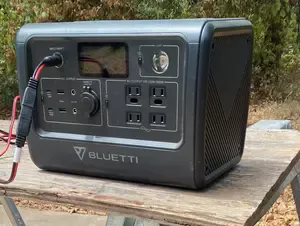 Learn what solar batteries can realistically power in an outage, how long they last, and what works best for you.
 -
Facts About Solar Panels
Aug 15, 26 10:30 PM
 Facts about solar panels are good to know when considering solar power for your off the grid homestead.