Micro-Hydro Power
Micro-Hydro Power - for those fortunate enough to live by a stream, it's a self-reliant energy gift from heaven. Unlike other sources of alternative power - such as solar power or wind power - micro-hydro power isn't at the mercy of the weather. As long as you have a constant flow of water and there is sufficient pressure, you have a source of power.
How much power this system will produce depends on the volume of water flowing past your house. It also depends on the type of system you invest in. A good micro hydro power system will run anywhere from $1,000 or upward to $20,000 or more.
Still, if you have a strong-enough stream or river running past your home, it could pay for itself in a few years, save you money over the long run, and provide you with self-reliant power for years to come.
So what is Micro-Hydro Power?
Electricity is harnessed when a magnet is spun at a sufficient speed, providing a source of energy that is then stored in a battery for later use. A pipe is placed in the water about 2-4 inches upstream from the generator.
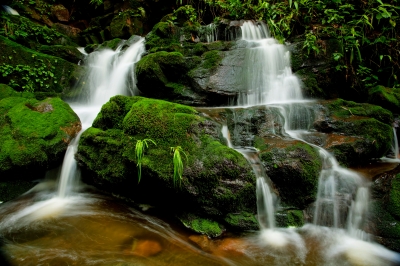
The water from the stream is forced into a pipe and spins a turbine within the generator. The turbine spins a generator and voila! You have electricity. The water then shoots back out of the generator and returns to the stream unchanged, except for the loss of a little kinetic energy.
Not For Everyone
Running water won't be enough. You also need pressure - the type made by water pouring on top of water and it must be running downhill steeply enough to produce sufficient pressure. If you are fortunate enough to live on steep land with a nearby stream running downhill, this could be a source of alternative energy.
Equipment You Will Need for
Micro-Hydro Power
Here's what you will need:
- Piping 2-4 inches in diameter to carry the water to the turbine (the technical term is penstock)
- A turbine-generator
- A regulator and a diversion load
- Batteries and an inverter
The Penstock
This can be made from any type of material. The most popular is PVC because it is the cheapest. But it can also be made from steel or plastic piping.
You want your pipe to run as straight as possible. Any bends or turns will slow down the water and reduce the pressure of your system.
At the top of the pipe, where the water comes in (the water intake), you'll need to place a strainer to keep debris from entering the penstock and plugging the nozzles supplying water to the turbine.
Also, if you live in an area where temps get to 32 degrees Fahrenheit or below, your pipe should be either buried or insulated to keep it from freezing.
The Turbine-Generator
This generator is made to run with water. High-pressure jets of water turn a propeller, which is also known as a runner. This creates your power.
The runner is attached to a shaft that runs through the generator (also known as an alternator) that spins a powerful magnetic rotor. The spinning magnet produces electricity, which is stored in a battery bank.
The Regulator and Diversion Load
The great thing about a constant current of water is it never stops. The big problem with a constant current of water is it never stops.
This can be a problem when your battery is full. You don't want your batteries to become overcharged and become damaged as a result. That's where a regulator comes in.
It makes sure that your batteries don't overcharge. When they're full, the regulator shunts the power over to a diversion load. This is something that will bleed off the excess power.
A space or water heater is a good way to use up the excess power your micro-hydro power system creates.
Batteries and the Inverter
The power that comes out of your generator will be a direct current of electricity. Because most of your appliances will run on alternating current, you will need an inverter.
Store the power you collect from the water into the battery box in direct current (DC) form. Then when you need it,run it through the inverter to convert it.
Want More Information?
A great book that discusses all sorts of renewable energy in detail, including micro-hydro power, is Rex A. Ewing's excellent book, Power with Nature.
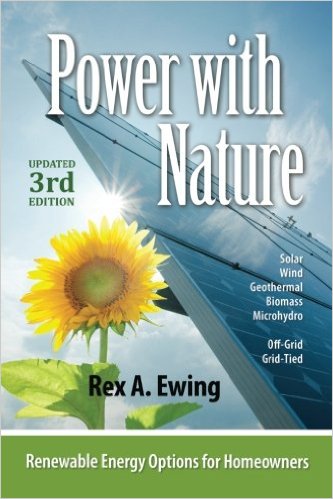
He discusses solar, wind and Micro-hydro power and makes all of it understandable with great, specific instructions.
About the Author
My name is Sue Merriam, and I began the journey of self-reliant living more than three decades ago, which enabled me to stay home with my children. Fifteen years ago, I founded Joyful Homesteading to help others save money and face the future without fear. My goal is to give you practical, honest advice so you can save money and experience the joy of simple living. I hope you join me.
Recent Articles


-
Homesteading Legal Restrictions in HOA Communities
Aug 31, 26 05:48 PM
 Homesteading legal restrictions in HOA communities is possible, but check with your HOA and local laws.
 -
Solar Batteries for Emergency Backup During Outages at Home
Aug 19, 26 12:23 PM
 Learn what solar batteries can realistically power in an outage, how long they last, and what works best for you.
 -
Facts About Solar Panels
Aug 15, 26 10:30 PM
 Facts about solar panels are good to know when considering solar power for your off the grid homestead.