How to Start Beekeeping
Learning how to start beekeeping will bring huge bonuses not only to your garden, but also to your health and the health of our planet as well. Bees are crucial to our very survival. Most of the food we eat has been pollinated by bees, and the fact that many of the bees are now dying off is disturbing to say the least.
These precious insects must be protected if the human race is to survive. By keeping bees, you are doing your part to save humanity. Here are some important things to remember if you decide to keep bees.
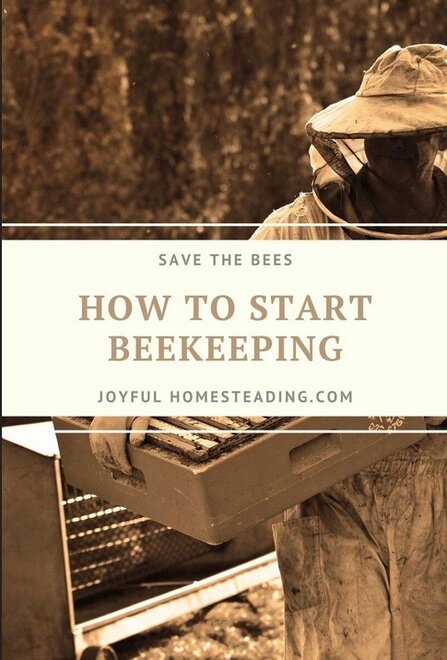
Photo by Mabel Amber at Pixabay
If you are looking for ways to become self-sufficient, there's no better way than to learn how to keep bees. Taking the time to learn is crucial because it's not as easy to keep bees as it used to be in the past.
Not only do these wonderful little insects provide you with honey, they also do an amazing job of pollinating your garden. My tomatoes this past summer were nearly twice the size they usually are, and I'm convinced my darling bees were the reason.
So if you're wondering how to start beekeeping, here are a few tips:
Join a Beekeepers Group
One of the best ways to learn how to start beekeeping is to join a beekeepers group. There's nothing more reassuring than asking someone who has kept bees for years. Most beekeepers are friendly and eager to help others because saving the bees benefits us all.
There are beekeeping associations in every state. Google the word beekeepers along with your state, and you'll likely find your state's beekeepers association. Find a group near you and join it, even if you don't yet have bees.
Not only will you have a great time getting to know other beekeepers, but you'll also gain invaluable information from folks who have been there and done that.
Read Up on How
to Start Beekeeping
Reading an excellent resource is an invaluable tool when starting beekeeping. One of the best books available on the topic is Beekeeping For Dummies by Howland Blackiston.
This detailed book covers everything from getting started to dealing with mites and colony collapse disorder. Getting a copy of this book and reading it before you get your bees will help quell any anxiety you may have about handling your little honey producers.
Get a Beekeeper's Suit
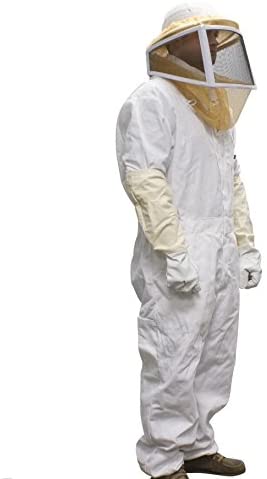 |
Don't scrimp in this area, especially if you are just starting out. Anytime you work with your bees, you are going to annoy them. Just think how you would feel if someone invaded your home once a year and robbed you of part of your food supply. And the only way bees know how to defend themselves is by stinging intruders. There is nothing more discouraging than working with your bees and getting stung. Plus, over time you can also develop an allergy to bee stings. |
A full beekeeper's suit complete with a hat, veil and gloves is the best way to feel confident and keep the experience a pleasant one.
Get the Proper Equipment
Make sure you have a smoker and a hive tool. Both of these tools are essential.
Get a Hive
|
Before ordering your bees and learning how to start beekeeping, make
sure you have a proper home for your bees before your order them. |
 |
You
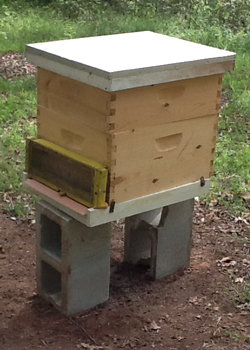
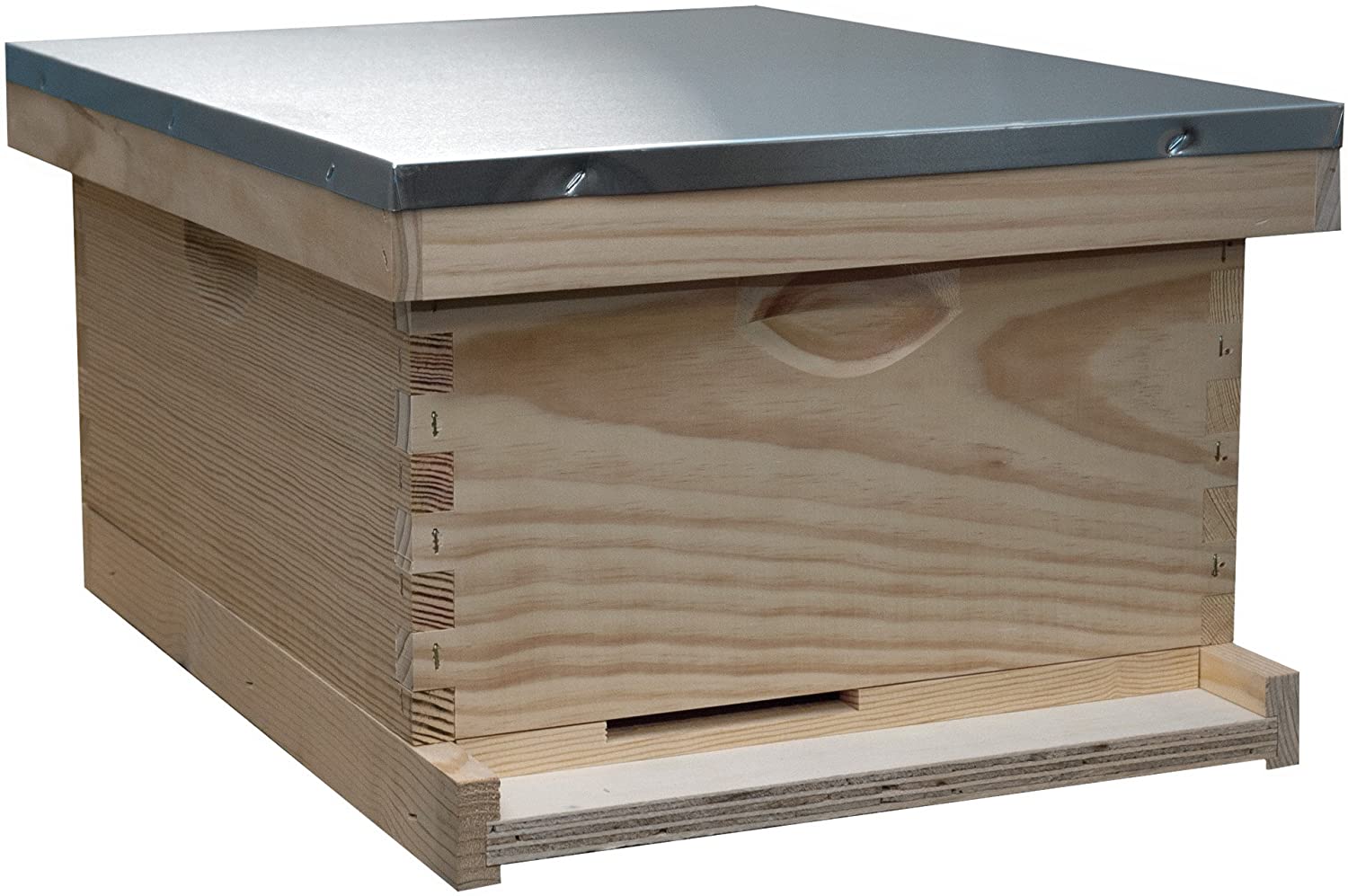
will need a hive to house your bees, and the Langstroth hive is the traditional way to go.
You
will need a bottom board, a lower deep box (the brood chamber), an
upper deep box (the food chamber), and one or two shallow honey supers
with which to collect honey.
You will also need an inner cover and a top outer cover. You can order these from beekeeping suppliers or, if you're handy with wood, build your own.
Order Your Bees
The last step (but also the most crucial) in learning how to start beekeeping is to order your bees. You never really learn anything until you try it first hand. Yes, you may make mistakes, but far better to be a real homesteader who has made the occasional goof than to be an armchair homesteader who never accomplishes anything.
Italian bees are the most gentle and the best choice for a beginner. Order your bees from a reputable dealer. The best way to learn of a good source for bees is through your local beekeeping association.
About the Author
My name is Sue Merriam, and I began the journey of self-reliant living more than three decades ago, which enabled me to stay home with my children. Fifteen years ago, I founded Joyful Homesteading to help others save money and face the future without fear. My goal is to give you practical, honest advice so you can save money and experience the joy of simple living. I hope you join me.
Recent Articles


-
Benefits to Organic Gardening
Sep 21, 26 03:37 PM
 Benefits to organic gardening include the best, fresh delicious harvests.
 -
Homesteading Legal Restrictions in HOA Communities
Aug 31, 26 05:48 PM
 Homesteading legal restrictions in HOA communities is possible, but check with your HOA and local laws.
 -
Solar Batteries for Emergency Backup During Outages at Home
Aug 19, 26 12:23 PM
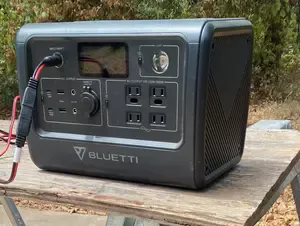 Learn what solar batteries can realistically power in an outage, how long they last, and what works best for you.