How to Save Seeds
How to save seeds for self reliant gardening, so that you never have to rely on outside sources for your vegetable seeds again. Here are some tips on saving seeds.
|
Just don't expect to harvest seeds from produce you have bought from the local grocery store. You must use heirloom seeds, seeds that will produce a consistent form of fruit from generation to generation. |
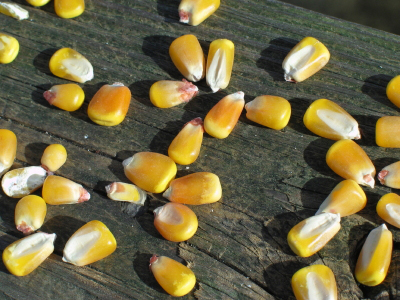 |
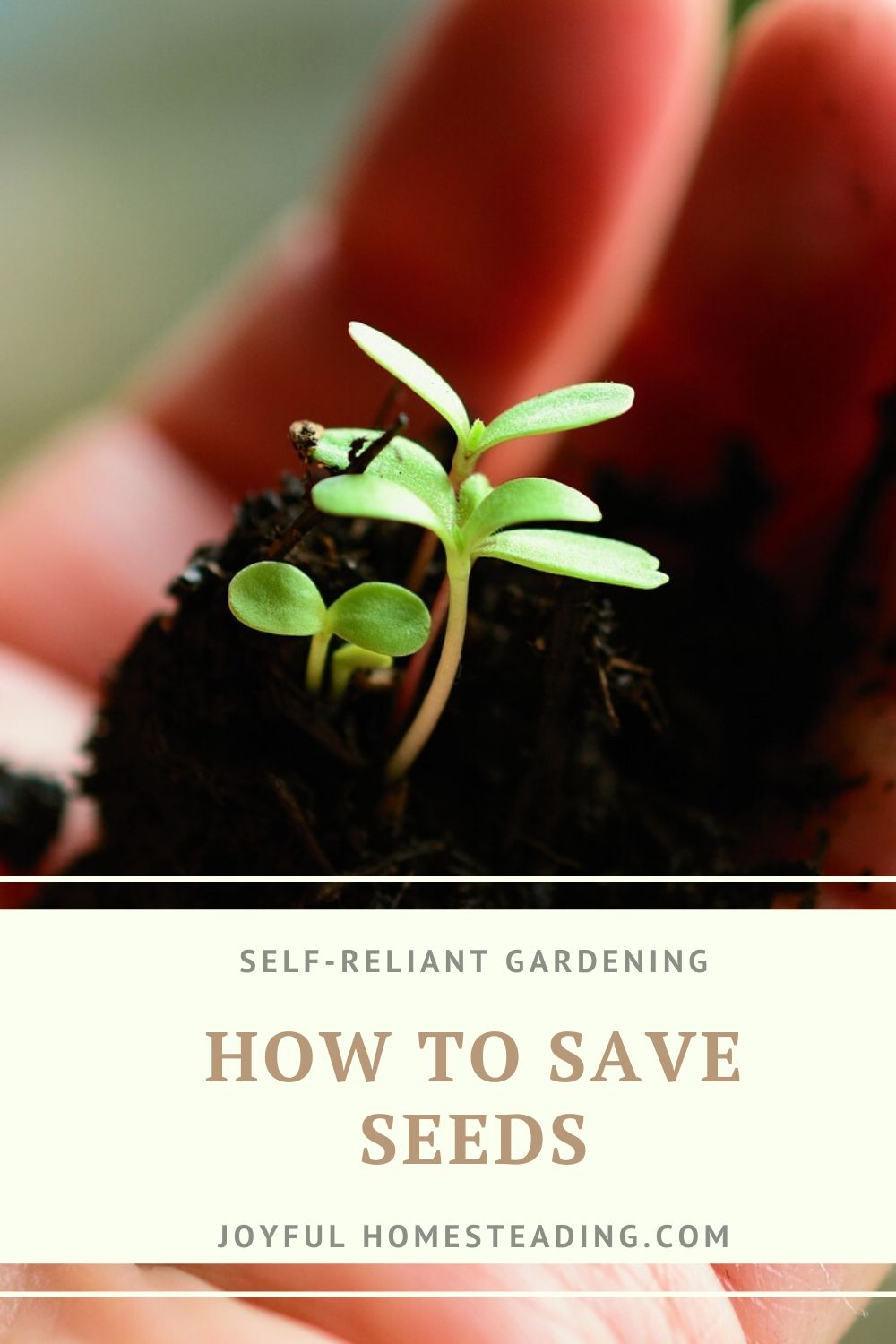
Photo by Congerdesign at Pixabay
Saving Seeds
Once you have your garden going with your heirloom seeds, watch your
plants and observe which ones are doing the best.
At the end of the season, weed out the plants that aren't producing as
well, and save only those plants that are your top performers.
You will harvest your seeds from the fruit of these plants.
In his excellent book, The New Self-Sufficient Gardener,
John Seymour says that like fruit, your seed must ripen, so be sure to
give your plants the extra time they need to produce ripe seed by
starting them indoors and then transplanting them outside.
This is especially crucial for saving seeds if you live in a colder
climate.
Be Sure To Properly Store Your Seeds
Seeds that are left out at room temperature will lose their viability within five years. Instead, save your investment by keeping your seeds cool and dry. Wrap your seeds in a paper towel and then store them in a freezer bag before placing them in your freezer.
By storing your seeds in the freezer, you can keep them viable for decades. I do this for the seeds that I buy in bulk as well.
How to Save Seeds
of Root Plants
Vegetables such as beets, turnips, carrots, onions, rutabagas and
parsnips are biennial plants, and you must wait until they have reached
their second year before you can harvest their seeds.
For saving seeds from these plants, Seymour recommends digging them out
of the ground in the fall, being careful not to damage the roots and
storing them in a cool place until later winter or the following spring.
Then replant them.
When these plants start to flower, tie plastic bags around the flowers.
That way the seeds will fall into the bags rather than be carried off with the wind.
How to Save Seeds of Brassica Plants
Seymour says it is more trouble than it is worth to harvest seeds from the brassica plants, such as cauliflower, broccoli, cabbage, and brussels sprouts, because all brassicas tend to interbreed. Once this happens, you have no idea what kind of seed you will wind up with. It is far better to buy these seeds in bulk and store them properly.
Tomatoes
Saving seeds from tomatoes is quite easy. Just label a few fruits from some of your best plants and allow them to get fully ripe. Then pick these fruits and cut them open. Wash out the seeds and set them on newspaper in a warm spot to allow them to get completely dry.
Cucumbers
For success in saving seeds from your cucumber plants, you must help them mate.
Cucumbers have both male and female flowers.
The female flowers will have miniature cucumbers behind them, and the male flowers will have thin stems.
Cut off the petals of the male flower to expose the stamen.
Then, using a clean paintbrush, gather some of the pollen and brush it onto some of the fully open female flowers.
You will likely need to do this two or three days in a row to make sure the mating process has taken place. Then, wait for the cucumber fruit to grow and mature.
The method for saving seeds from cucumbers is the same as saving seeds
from tomatoes: wait until the cucumbers are ripe, then cut them open, remove the seeds, and allow them to fully dry.
Squash, Eggplant
and Bell Peppers
With squash, eggplant, and bell peppers, allow the fruit to get as fully ripe as possible, even to the point where they are about to rot, and then remove the seeds. Wash the seeds and allow them to dry on a paper towel in a warm spot.
Lettuce
For saving seeds from lettuce, allow your best plant to go to seed. When it begins to flower, tie a plastic bag around the flower to collect the seeds.
Learn More About Organic Gardening
Return from How to Save Seeds to the Home Page
About the Author
My name is Sue Merriam, and I began the journey of self-reliant living more than three decades ago, which enabled me to stay home with my children. Fifteen years ago, I founded Joyful Homesteading to help others save money and face the future without fear. My goal is to give you practical, honest advice so you can save money and experience the joy of simple living. I hope you join me.
Recent Articles


-
Benefits to Organic Gardening
Sep 21, 26 03:37 PM
 Benefits to organic gardening include the best, fresh delicious harvests.
 -
Homesteading Legal Restrictions in HOA Communities
Aug 31, 26 05:48 PM
 Homesteading legal restrictions in HOA communities is possible, but check with your HOA and local laws.
 -
Solar Batteries for Emergency Backup During Outages at Home
Aug 19, 26 12:23 PM
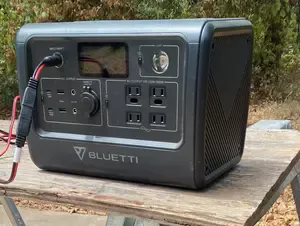 Learn what solar batteries can realistically power in an outage, how long they last, and what works best for you.