How to Render Fat
For Soapmaking and Cooking
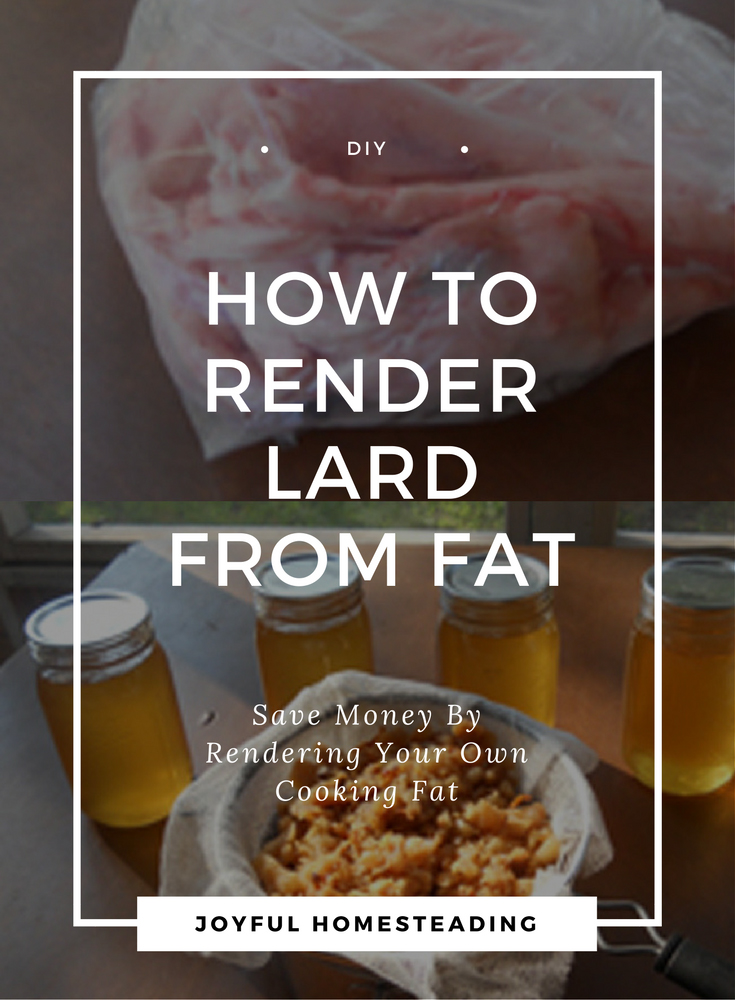
Knowing how to render fat for soap making is a wonderful way to make the most of everything you have, including those scraps of fat left over from drippings and butchering.
John Seymour, author of the book, The Self-Sufficient Life and How to Live It believes that the truly self-sufficient homesteader throws nothing away, making the use of every single leftover item, including scraps of fat.
|
Whether it’s chicken fat, hog fat, or goose fat, any of it can be rendered down to clear fat for making soap or for cooking. |
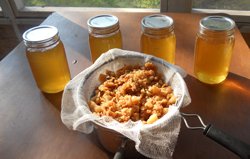 |
If you have pig fat, make lard for both soap and surprisingly healthy cooking.
But I do have to give a word of warning here: Hot fat can burn, so you must be careful.
A friend of mine got severe burns once trying to render fat. A chunk of fat slipped out of his hands and landed in the hot oil, causing it to splash on his face. So if you choose to render your own fat, please remember this one thing: Be extremely careful when working with hot fats, and make sure you cook them on low heat.
How to Render Fat - the Basics
The first step in learning how to render fat is to take it in baby steps. My friend got badly burned because he was making a huge batch at once. Instead, render your fat in small batches. Also, if you are rendering fat for a soap recipe, you will need to render one pound of fat more than you will need for your soap recipe. That means that if you need six pounds of lard, you will need about seven pounds of fat.
Continue Skimming
As the fat heats and becomes liquid, the solids will sink to the bottom of the pot. Slowly pour the liquid into a clean pot and throw away the solids. Allow the fat to cool to 100 degrees Fahrenheit. Then add an equal amount of lukewarm water. Bring the fat and water to a gentle simmer and cook, covered, for 15 minutes.
Cool Things Down
Set your pot outside overnight to chill, or put it in your refrigerator. In the morning, the fat will have risen to the top. The remaining unwanted solids will be in the bottom of the pot.
Using a spatula, remove the top layer of fat. If there is a jellylike substance on the bottom of your fat, scrape that substance off and throw it away. You only want the pure, hardened fat.
Reheat Your Fat
Then break up the hardened fat into chunks and put it into another pot. Add an equal amount of water and one large potato cut in half. Cover the pot and simmer for 15 minutes.
Allow it to cool overnight. Then lift the fat out of the water and scrape the bottom clean. Congratulations! You now have rendered fat for your next soap recipe. Either use it right away or store it in the freezer for future use.
This recipe comes from the book, Milk-Based Soaps: Making Natural, Skin-Nourishing Soap by Casey Makela.
Better Still, Make Things Easier on Yourself
Render your lard in a slow cooker. A medium-sized or large slow cooker can render more than eight pounds of pork fat at a time, cooking down to about two pounds of lard that you can use for cooking and for soapmaking.
Make sure the pork you use is from a farmer who doesn’t give his hogs antibiotics, and if possible, look for hogs that come from traditional breeds.
What You Will Need to Render Lard
in a Slow Cooker
The utensils you will need include:
- A good-sized slow cooker
- Gloves (because the slow cooker will get hot)
- A large metal bowl with a colander that fits inside
- A soup ladle
- A large metal spoon
- Containers to hold the lard - these can be either quart-sized jars or food-quality freezer containers.
If you have a food processor, grind the fat so that it renders more quickly and evenly. If you don’t have a food processor, dice the fat into squares about the size of dice.
Put the fat in your slow cooker, place the lid on top, and turn on the cooker. Set the cooker to high for the first four hours. After that, set the cooker to medium.
When you see a large amount of liquid fat surrounding the solid fat, use the ladle to draw out the liquid fat. Drain the liquid into the bowl lined with the colander. Put the bits of solid fat back into the crockpot.
When the liquid lard has cooled enough to handle safely, pour it into your food-safe container.
The lard is completely rendered when it no longer gives off fat. Store the cracklings in the freezer.
Please note: It’s important to store your rendered lard in the freezer. If there is any moisture remaining at all in the lard, it could grow mold, ruining the lard. I know this from painful experience. So store it properly.
Learn More Self Reliant Recipes
About the Author
My name is Sue Merriam, and I began the journey of self-reliant living more than three decades ago, which enabled me to stay home with my children. Fifteen years ago, I founded Joyful Homesteading to help others save money and face the future without fear. My goal is to give you practical, honest advice so you can save money and experience the joy of simple living. I hope you join me.
Recent Articles


-
Homesteading Legal Restrictions in HOA Communities
Aug 31, 26 05:48 PM
 Homesteading legal restrictions in HOA communities is possible, but check with your HOA and local laws.
 -
Solar Batteries for Emergency Backup During Outages at Home
Aug 19, 26 12:23 PM
 Learn what solar batteries can realistically power in an outage, how long they last, and what works best for you.
 -
Facts About Solar Panels
Aug 15, 26 10:30 PM
 Facts about solar panels are good to know when considering solar power for your off the grid homestead.