How to Grow Echinacea
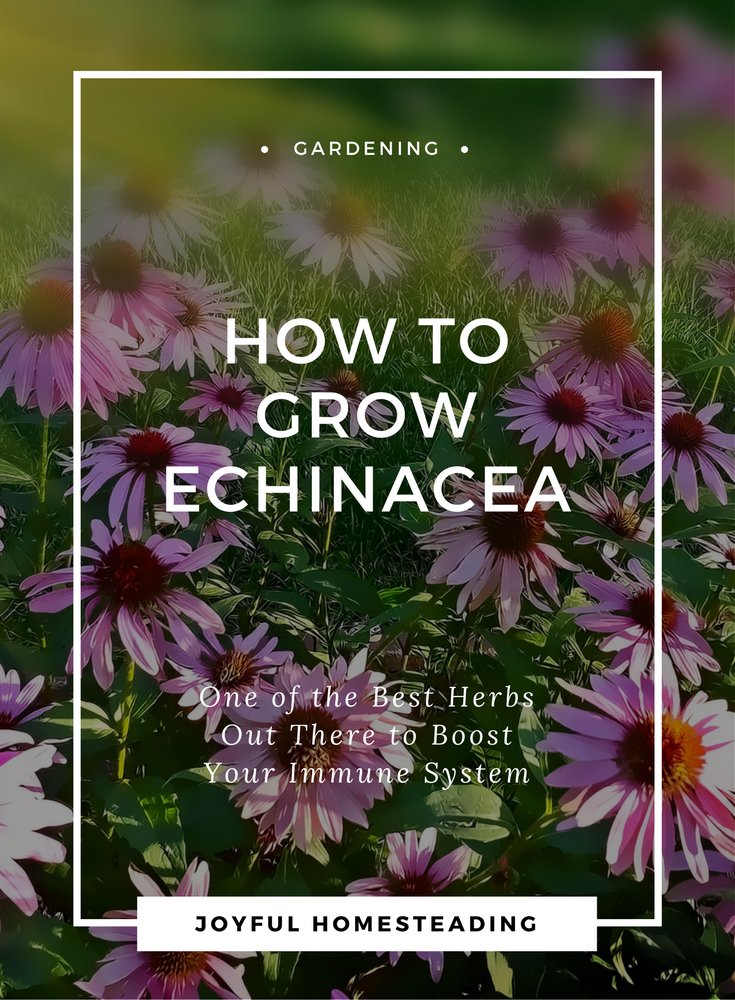
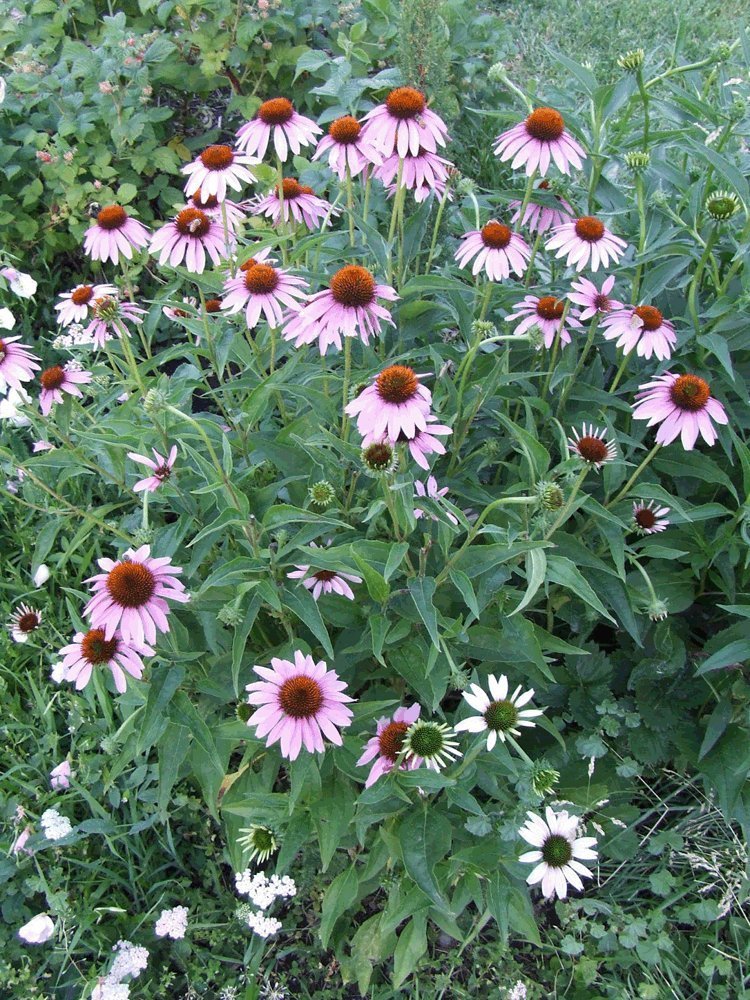
How to grow echinacea is a good thing to know. Herb Echinacea is a beautiful purple flower that is also known as coneflower because of the round cone in the center of each blossom. This plant is not only useful; it's beautiful and makes an excellent cutting flower.
How To Grow Echinacea
Echinacea, also known as the purple coneflower, is easy to grow. They start blooming in midsummer and will continue to produce those beautiful purple flowers until frost. You can easily grow these perennials in zones 3 through 9.
While echinacea won’t take over your garden beds like other plants, such as dill, could, they will self-seed and gradually spread. If you like this (and who wouldn’t?) then allow the flowers to die on the stem. They’ll produce seeds that will spill on the ground and grow next spring. Only make sure to get organic echinacea if you want this to happen. The hybrid variety is sterile and doesn’t attract birds like the organic variety will.
I’m a huge proponent of starting my seeds indoors, because Oklahoma’s weather can be unpredictable. If you decide to start your seeds indoors, start them about eight to ten weeks before the last spring frost in your area. (Learn how to start seeds indoors here).
Plant the seedlings by digging a hole that is twice the size of the diameter of its container. Make sure the root ball is level with the surface of the soil. Then fill the top of the ball with soil. Space the plants at least one foot apart. Water it well and then spread either mulch or compost over the surface of the soil to help the plants stay moist and to keep weeds from popping up.
Otherwise, you can sow the seeds outdoors when the soil is at least 65 degrees Fahrenheit or 18 degrees Celcius. Plant your echinacea in soil that drains well. Plant them by loosening the soil by one foot and then stir in compost (learn to grow your own here).
Harvesting the Flowers
|
For medicinal purposes, you use both the roots and the flower tops. Wait until your plants are three years old before harvesting. To harvest and prepare the flowers: Cut your herb Echinacea at the point where the first healthy leaves are growing and then either tie the plants in bundles and hang upside down or lay the plants on a screen. Make certain they are out of direct sunlight. |
 |
Drying Your Herbs
Make sure your plants have plenty of air circulating about them.
The plants have finished drying when the leaves crumble when you touch them.
Store in glass jars in a cool, dry place. Make an infusion of the flowers.
How to Grow Echinacea
Harvesting the Roots
To harvest and prepare the roots of the herb Echinacea:
cut off only a portion of the root of each plant, leaving plenty for the plant to grow on.
Cut the roots into one-inch pieces.
Wash them well and pat them dry and either hang the pieces or lay them
out on screens in a well-ventilated area that isn't directly in the sun.
It could take up to several weeks for the roots to dry, depending on
their size.
Make a decoction of the roots by simmering them in water for 10-15 minutes.
Strain and drink.
For the Medicine Cabinet
The herb Echinacea strengthens the immune system and also works as an antiseptic that fights infections.
It has also been known to work as an aphrodisiac.
Added topically, the herb Echinacea can ease the discomfort of eczema, psoriasis, hemorrhoids and insect bites.
It may also help protect your skin from sunburn.
Please Note: Because Echinacea has such a powerful effect on the
immune system, you should not take Echinacea if you have autoimmune
disorders like lupus or rheumatoid arthritis.
Also avoid taking Echinacea if you have leukemia, tuberculosis, multiple
sclerosis or AIDS.
How to Grow Echinacea
Other Tips
Sow your seeds in the spring when your soil has reached between 55 and 70 degrees Fahrenheit.
Once the seeds have germinated, cover them with about 1/8 inch of compost or soil.
When the plants are about two inches tall, thin the plants until they are 18-24 inches apart.
The herb Echinacea will grow in either partial shade or the full sun and prefer well-drained soil.
Learn More About Medicinal Herbs
Learn More About Natural Healing
Return from How to Grow Echinacea to the Home Page
About the Author
My name is Sue Merriam, and I began the journey of self-reliant living more than three decades ago, which enabled me to stay home with my children. Fifteen years ago, I founded Joyful Homesteading to help others save money and face the future without fear. My goal is to give you practical, honest advice so you can save money and experience the joy of simple living. I hope you join me.
Recent Articles


-
Homesteading Legal Restrictions in HOA Communities
Aug 31, 26 05:48 PM
 Homesteading legal restrictions in HOA communities is possible, but check with your HOA and local laws.
 -
Solar Batteries for Emergency Backup During Outages at Home
Aug 19, 26 12:23 PM
 Learn what solar batteries can realistically power in an outage, how long they last, and what works best for you.
 -
Facts About Solar Panels
Aug 15, 26 10:30 PM
 Facts about solar panels are good to know when considering solar power for your off the grid homestead.