How to Grow Dill
Learn how to grow dill, and you not only have an herb for pickling, but you also have one of the oldest and most respected sources of medicine out there.
Most everyone knows that dill is useful for making pickles, but this wonderful little herb can do so much more. It has been respected as a drug in the days of Pliny as well as the Middle Ages, and its use as a medicine has been documented since the tenth century.
Dill is native to the Mediterranean and Eurasia, meaning it prefers warmer climates. If you want dill in your garden year after year, allow some of the plants to flower and go to seed. You’ll get more dill next spring, so much so that you’ll have to divide it to share with others.
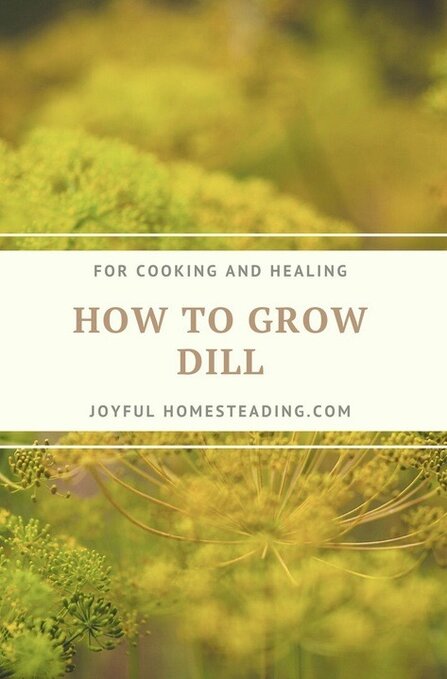
Photo by Kaboompics at Pixabay.com
The herb supposedly derived its name from the old Norse word dilla, which means "to lull." During the Middle Ages, Dill was used in charms against witchcraft, and some people still make sachets out of dill to keep under their pillow to help them have sweet dreams.
How to Grow Dill
The herb Dill is easy to grow, but will take more nutrients out of the soil than most plants, so be sure to compost your beds heavily. Not only does dill taste great, but it’s a natural pest deterrent. Grow it in your vegetable garden. Dill will attract beneficial insects and the predatory insects that eat aphids and other pests.
Plant your dill in a spot that gets between six and eight hours of direct sunlight. Make sure your soil drains well and is rich with compost. (Here’s how to grow your own).
If you want to improve the growth of your brassicas, including broccoli, cabbage and Brussels sprouts, grow dill next to them. But keep dill away from your carrots as you won’t get as productive a crop.
Dill is one of the few plants that does better sown outdoors than started indoors. Like carrots, it’s tough to transplant. Plant your dill seeds in the early spring when the soil temperature is between 60 and 70 degrees Fahrenheit or between 15 and 21 degrees Celcius.
Sow the seeds approximately one-quarter of an inch deep. It should take about two weeks for the seedlings to appear. Let the seedlings grow another two weeks and then thin them to about a foot apart.
Water the plants daily to make sure the soil doesn’t dry out. You can start harvesting the plants when they have about four to five leaves each. Either pinch off the leaves or use scissors to cut them off.
Also, be sure to cut your Dill flowers within two weeks of bloom, or else the seeds will fall to the ground and
you'll find Dill plants popping up all over your garden.
You can also dry your dill plants in the sun. Dry the seeds by spreading the cut flowers out on trays and setting them in the sun for several hours. Or dry them in the oven on low heat for a short time. Whether you dry your dill in the sun or in the oven, you will need to shake the plants occasionally to shake loose the seeds.
Medicinal Uses of Dill
|
The leaves and the seeds of the plant can both be used medicinally. With dill you will have an herbal remedy that will help ease stomachache and prevent flatulence. An infusion of Dill will help ease colic in children. |
 |
The essential oil
of dill is also extremely useful for healing. Add one drop of dill
essential oil in a glass of water will help with indigestion.
According to a Modern Herbal, "...The seed is of more use than the leaves, and more effectual to digest raw and vicious humours, and is used in medicines that serve to expel wind, and the pains proceeding therefrom..."
In the Kitchen
The fresh leaves of dill are awesome when added to soups and sauces for flavoring. Dill is also delicious when used to flavor fish. And, of course, you will want to use Dill for making pickles.
Dill is more flavorful before it forms flowers, so pick the leaves as soon as they are big enough to use. But don't despair if you wait too long to harvest your fresh dill; the seeds are also useful for flavoring food. Just allow the flowers to bloom and then go to seed. About two weeks after your dill starts blooming, cut the seed heads and hang
them upside down in a paper bag to allow the flowers to mature and dry
out.
Make dill vinegar by soaking the seeds in vinegar for a few days before use.
Learn More About Herbal Remedies
Learn More About Natural Remedies
Return from How to Grow Dill to the Home Page
About the Author
My name is Sue Merriam, and I began the journey of self-reliant living more than three decades ago, which enabled me to stay home with my children. Fifteen years ago, I founded Joyful Homesteading to help others save money and face the future without fear. My goal is to give you practical, honest advice so you can save money and experience the joy of simple living. I hope you join me.
Recent Articles


-
Homesteading Legal Restrictions in HOA Communities
Aug 31, 26 05:48 PM
 Homesteading legal restrictions in HOA communities is possible, but check with your HOA and local laws.
 -
Solar Batteries for Emergency Backup During Outages at Home
Aug 19, 26 12:23 PM
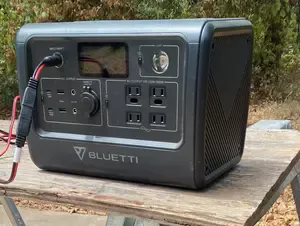 Learn what solar batteries can realistically power in an outage, how long they last, and what works best for you.
 -
Facts About Solar Panels
Aug 15, 26 10:30 PM
 Facts about solar panels are good to know when considering solar power for your off the grid homestead.