How to Germinate Seeds
Learn how to germinate seeds, and your seedlings will sprout at record speed, be stronger, and establish at a faster rate. Plus, your plants will be more likely to survive for a far more successful gardening season.
Germinating your seeds before you plant them gives them an earlier start in your garden. This can be especially helpful when you are growing root foods such as carrots, which are notoriously difficult to start otherwise.
Also known as chitting seeds, this is self-reliant gardening at its best. By chitting your seeds, you end up with less waste. That means more seeds you can save until the following year, cutting back on costs.
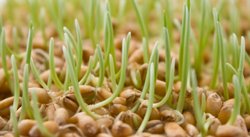
Chitting seeds is just like growing sprouts. It's the exact same thing. Except you don't eat these seedlings; you plant them in the ground very gently, encouraging more of your seeds to come up quickly. It's a more efficient way of starting your garden.
The best way to chit seeds is to soak the seeds between four and eight hours in room-temperature or lukewarm water. It is when your seeds are exposed to water that the magic happens.
In doing so, you also protect your seeds from potentially rotting - also known as damping. Hot peppers can take up to four weeks to germinate; otherwise, speed up the process by chitting your seeds.
How Does This Work?
The seed stores a form of starch that provides food for the baby plant. That starch starts hydrolyzing when exposed to water. It releases a form of glucose that feeds the cells within the seed, encouraging it to grow.
That’s why exposing your seed to water before planting it will speed up the germination process. By the way, It’s easier for room-temperature or even lukewarm water to penetrate the seed. You might even consider setting your seeds on a grow mat while they are soaking. A warm environment encourages even faster growth. Don’t soak your seeds more than 24 hours, or they will begin to rot.
Chitting Seeds
First, you will first need to soak your seeds overnight in water that is room-temperature.
The following morning, take two layers of dampened paper towels and spread them out on a flat surface.
Note: your paper towels should be damp, but not sopping wet.
Place your pre-soaked seeds on the paper towels about one inch apart.
Then carefully roll up your towel in the shape of a tube.
Put a rubber band around the towels to keep them together and then label the paper towel.
Label Well
Place the roll in a plastic bag and label it as well.
Loosely close the bag. One of the important things of learning how to germinate seeds is the necessity of oxygen.
Don't seal up your bag all the way, because you will need some air.
Also, you don't want your seeds to get moldy.
Then place your bag in a warm area.
If you germinate seeds using this method, they will sprout in 2-4 days
as opposed to the 7-9 days they would typically take in your garden
soil.
Check your seeds daily, and when the seeds have split open and the roots
start to show, your seeds are ready to plant.
Planting Your Seeds
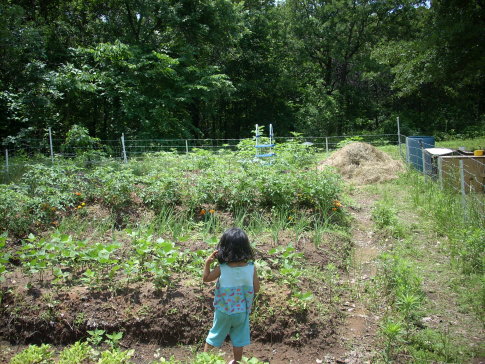
Make a trench in your prepared garden bed by taking a dowel and pressing the soil in to make a curved groove in your soil.
Gently place your germinated seeds, spacing them as recommended on the seed packet.
How to Germinate Seeds
That are Tiny
How to germinate seeds that are tiny? These seeds will still be hard to
see and to plant - even after they have sprouted, so use this method
once seeds, such as carrot and lettuce seeds, have sprouted.
Pour one cup of cold water into a saucepan and add one tablespoon of corn starch.
Stir well to dissolve any lumps and gradually bring it to a boil until it reaches the thick syrup stage.
Let the mixture cool until you can comfortably touch it with your finger.
Then gently stir in your germinated seeds.
Pour your mixture into a plastic bag and close the top.
Take your bag along with scissors to your prepared bed.
Press a trench into your prepared soil and then using the scissors, snip off a corner of the plastic bag.
Squeezing gently, pour your cornstarch/seed mixture into the trench and cover with loosened soil.
Learn More About Organic Gardening
Return from How to Germinate Seeds to Home
About the Author
My name is Sue Merriam, and I began the journey of self-reliant living more than three decades ago, which enabled me to stay home with my children. Fifteen years ago, I founded Joyful Homesteading to help others save money and face the future without fear. My goal is to give you practical, honest advice so you can save money and experience the joy of simple living. I hope you join me.
Recent Articles


-
Benefits to Organic Gardening
Sep 21, 26 03:37 PM
 Benefits to organic gardening include the best, fresh delicious harvests.
 -
Homesteading Legal Restrictions in HOA Communities
Aug 31, 26 05:48 PM
 Homesteading legal restrictions in HOA communities is possible, but check with your HOA and local laws.
 -
Solar Batteries for Emergency Backup During Outages at Home
Aug 19, 26 12:23 PM
 Learn what solar batteries can realistically power in an outage, how long they last, and what works best for you.