Herbal Remedies for Flu
Herbal remedies for flu symptoms are good to have on hand both in an emergency and for overall self reliance. The next time you feel cold and flu symptoms coming on, use this list of medicinal herbs for a more affordable herbal remedy.
Echinacea
|
At the top of the list of medicinal herbs, and one of the best remedies for flu, Echinacea has been proven in numerous studies to be effective for treating colds and other infections. It works by stimulating the immune system to help fight infections. Echinacea will typically not cause side effects when taken orally, but it can cause gastrointestinal side effects for some. |
 |
Also if you are allergic to plants in the daisy family, such as ragweed, chrysanthemums, marigolds and daisies, you shouldn't take Echinacea.
Herbal Remedies for Flu
and the Popular Elderberry
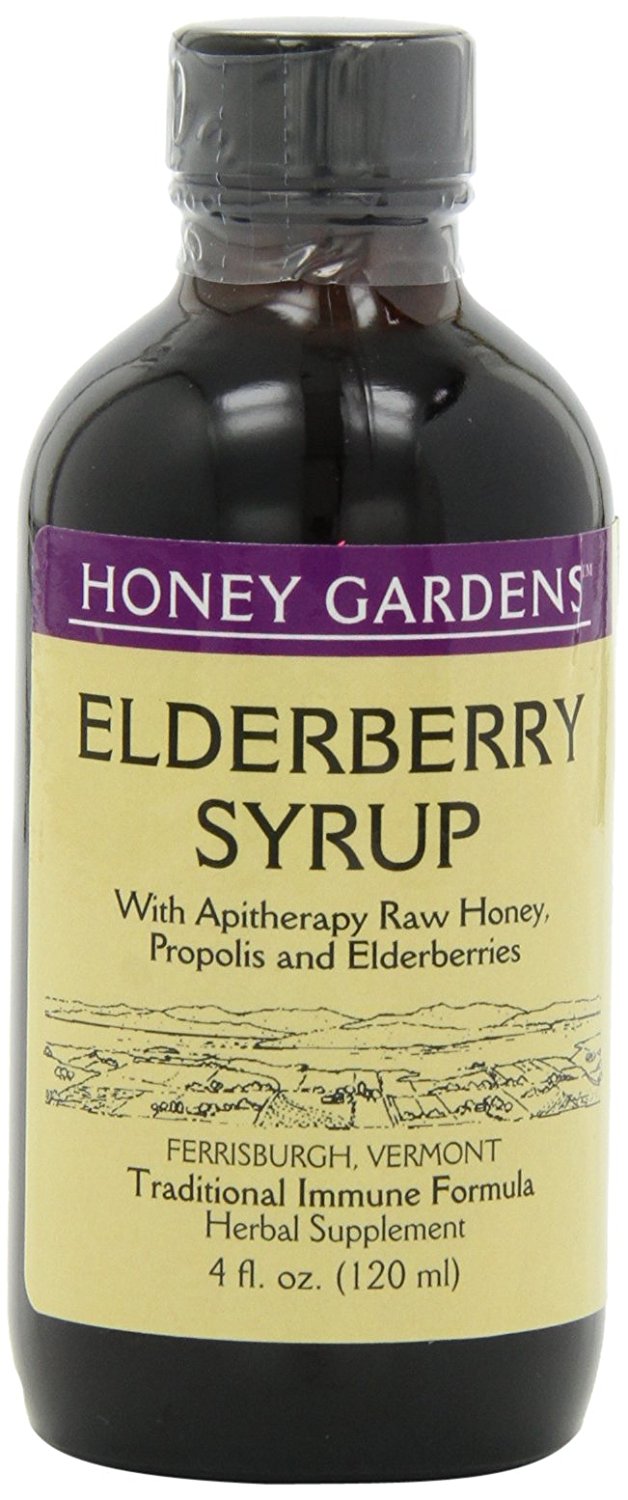 |
This is one of the more popular flu remedies in European countries because of its antiviral and immune boosting effects. Taking an elderberry extract should improve your symptoms within two to four days. The berries of the elderberry plant are loaded with vitamins A, B and C,
along with falconoid, sugar, tannins, carotenoids and amino acids.
|
Garlic
Not just for flavoring foods, garlic has antibacterial and antiviral properties and stimulates the immune system.
It has also been know to fight antibiotic-resistant strains of oral strep bacteria.
Garlic is believed to be more effective in fighting bacterial than even penicillin.
And unlike penicillin, garlic doesn't destroy all the body's good intestinal flora.
It is an excellent antibiotic.
Ginger
|
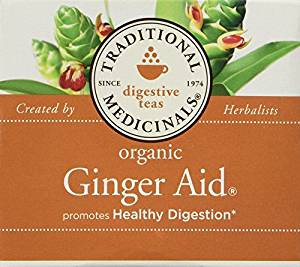
Ginger is a must-have in your collection of herbal remedies for flu. Ginger inhibits the bacteria and viruses responsible for upper respiratory infections and is also excellent in easing pain. The next time you feel tempted to purchase those commercial cold remedies, consider making the safer ginger tea instead. |
 |
Licorice
Licorice is an excellent herbal remedy for fighting the flu.
It soothes sore throats, eases your cough, loosens the congestion in your chest and helps you breath easier.
Licorice works by boosting levels of interferon in your body, a natural chemical that fights off viruses.
Licorice is also loaded with powerful antioxidants and also contains
glycyrrhizinic acid that stops the growth of different bacteria and
viruses such as influenza A.
It also soothes irritating coughs, asthma and chest infections.
You can find licorice here.
Eucalyptus
Eucalyptus is a popular favorite because it works in a wide range of ways. It’s anti-inflammatory, antiviral, antibacterial, and antifungal. For years, it’s been popular as a remedy for influenza, acute respiratory distress syndrome, sinusitis, nasal congestion, and for treating the common cold, among other things.
Inhale eucalyptus oil, and it will help open up your lungs, soothe your respiratory tract, and help you feel better. You can often find eucalyptus oil in throat lozenges, because it’s so effective in treating sore throats.
It will also build your immune system so that you are better able to fight off infections and recover more quickly. It will also help you relax (think better sleep to recover faster). You can also use eucalyptus oil in a spray to kill the germs in your home.
Horehound
The sore throat from a cold or the flu can be absolutely miserable. That’s where the herb horehound can come in handy. Horehound is a terrific herb to use to ease the pain of a sore throat. It will also help clear out the mucus that causes a sore throat, enabling you to feel better quickly.
Both the Greeks and the Romans would simmer horehound in water and drink it to relieve heavy coughing. They would also simmer horehound in honey to help ease lung diseases. An infusion of horehound can also treat pneumonia.
If you have bronchitis and a nonproductive cough, drink horehound tea. It can help ease mucus congestion.
By the way, the tea can be pretty bitter, so you will need to add honey or some other sweetener to make this herb palatable, but the benefits of drinking a horehound infusion will be well worth it.
So, the next time you come down with influenza, consider reaching for these herbs to ease the symptoms, strengthen your immune system, and help you recover quickly.
Learn More About Medicinal Herbs
Learn More About Natural Healing
Return from Herbal Remedies for Flu to the Home Page
About the Author
My name is Sue Merriam, and I began the journey of self-reliant living more than three decades ago, which enabled me to stay home with my children. Fifteen years ago, I founded Joyful Homesteading to help others save money and face the future without fear. My goal is to give you practical, honest advice so you can save money and experience the joy of simple living. I hope you join me.
Recent Articles


-
Homesteading Legal Restrictions in HOA Communities
Aug 31, 26 05:48 PM
 Homesteading legal restrictions in HOA communities is possible, but check with your HOA and local laws.
 -
Solar Batteries for Emergency Backup During Outages at Home
Aug 19, 26 12:23 PM
 Learn what solar batteries can realistically power in an outage, how long they last, and what works best for you.
 -
Facts About Solar Panels
Aug 15, 26 10:30 PM
 Facts about solar panels are good to know when considering solar power for your off the grid homestead.