The Herb Bergamot
Herb Bergamot is a perennial famous for its delicious smell. Some of the most expensive perfumes made today have bergamot essential oil as one of their ingredients.
This wild herb, native to North America, was a favorite among the native American tribes, including the Hidatsa, Oswego, and Tewa tribes.
Members of the Hidatsa tribe would crush the dried leaves of Bergamot and use them to freshen their clothes. They would also use the herb for dental infections and to treat wounds. The Ojibwe people would gather and dry the plant and then boil it to inhale the volatile oil to ease bronchial infections. They would also chew a wad of bergamot and then stuff that wad in a nostril to ease headaches.
You may not want to go that far, but you will likely want this herb because of its delightful smell. And you might want to follow the Oswego tradition and drink the herb as a tea. It's still known as Oswego tea to this day for this reason. The American colonists enjoyed this herbal tea, and you'll likely enjoy it as well.
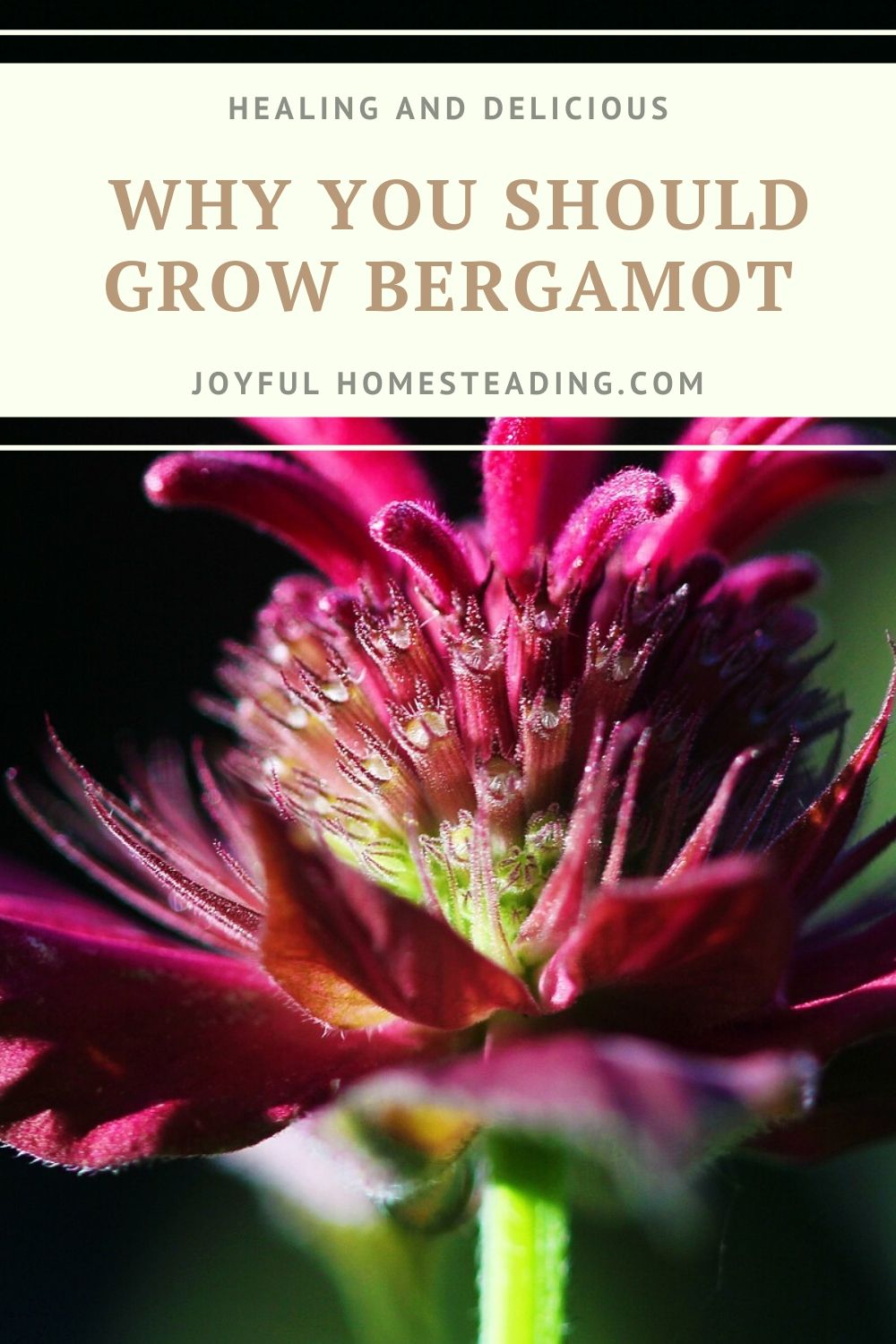
Picture by Modman at Pixabay
And you can always make an infusion of this delightful herb the next time you have a sore throat or are suffering from indigestion. Make an infusion by putting the stems and leaves in a cup and covering them with boiling water. Allow the herbs to steep in the water for at least ten minutes, and then flavor your infusion with a natural sweetener, such as honey or stevia.
Wild bergamot is loaded with antioxidants and is also an antiviral.
About Bergamot

Bergamot is also sometimes known as bee balm or monarda because bees love it so much. It's a member of the Mint family.
According to A
Modern Herbal (Volume 1, A-H): The Medicinal, Culinary, Cosmetic and
Economic Properties, Cultivation and Folk-Lore of Herbs, Grasses, Fungi,
Shrubs & Trees with Their Modern Scientific Uses,
"The whole plant is strongly impregnated with a delightful fragrance;
even after the darkly-colored leaves have died away, the surface
rootless give off the pleasant smell by which the plant has earned its
common name."
A plant that smells this great belongs in potpourri.
The dried leaves of bergamot are also wonderful to use in a foot bath.
By the way, wild bergamot isn’t the same bergamot that is used to flavor Earl Grey tea. Turns out there are two bergamots, one which is a fruit and the other which is a wild herb. I’m talking about the wild herb here and not the fruit.
In the Kitchen
Both the stems and leaves of the herb bergamot are edible and can be used to flavor cooked foods. They make a pretty, edible garnish in salads.
Herb Bergamot and Growing Tips
Bergamot loves light, moist soil. A great spot to plant your bergamot is in a place that gets the morning sun only - the flowers will bloom longer.
Bergamot can be started in your garden in many ways. You can add bergamot to your garden bed by either planting cuttings or sowing seeds, although if you sow the seeds, the bergamot will grow more slowly than with cuttings.
You can start it indoors by sowing the seeds in flats containing one-third sand and two-thirds potting soil. When the seedlings fill the container, they are ready to be transplanted outside.
Or wait until early spring and then broadcast the seeds on bare ground (with no weeds) in early spring. Make sure it’s a sunny location. Bergamot is a creeping plant that tends to spread, so once it's established, you will need to contain it.
Once your bergamot is well established, mulch your plants when they first come up in the spring.
Mulching is especially important during the hottest days of summer when your bergamot will especially need moist soil. Give your bergamot extra watering when the weather is dry. When the herb overgrows its space, divide the plant and share it with neighbors and friends.
If the plants become top-heavy, you may need to support them by tying them to a lattice, tomato cage, or other means of support.
And finally, share the love by collecting the seeds once your bergamot begins flowering. Once the flowers die, collect the seeds by cutting off the dead heads of the flowers and spreading them over a clean paper towel. Allow them to dry indoors for several days. Then, put the seed heads in a paper bag and shake them. The seeds will fall into the bag.
Learn More About Medicinal Herbs
Learn More About Natural Remedies
Return from Herb Bergamot to the Home Page
About the Author
My name is Sue Merriam, and I began the journey of self-reliant living more than three decades ago, which enabled me to stay home with my children. Fifteen years ago, I founded Joyful Homesteading to help others save money and face the future without fear. My goal is to give you practical, honest advice so you can save money and experience the joy of simple living. I hope you join me.
Recent Articles


-
Homesteading Legal Restrictions in HOA Communities
Aug 31, 26 05:48 PM
 Homesteading legal restrictions in HOA communities is possible, but check with your HOA and local laws.
 -
Solar Batteries for Emergency Backup During Outages at Home
Aug 19, 26 12:23 PM
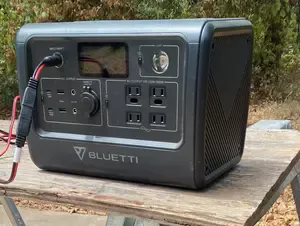 Learn what solar batteries can realistically power in an outage, how long they last, and what works best for you.
 -
Facts About Solar Panels
Aug 15, 26 10:30 PM
 Facts about solar panels are good to know when considering solar power for your off the grid homestead.