The Herb Balm
Herb balm, also known as sweet balm or lemon balm, is a wonderful perennial plant that produces edible blooms. The leaves, when crushed, give off a lemon fragrance. This wonderful herb is so easy to grow and so beneficial to pollinating insects and other plants that it's a must-have for your garden.
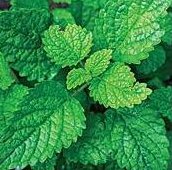
This delightful plant, whose botanical name is Melissa Officinalis, originated in North Africa and the Middle East, but its popularity soon became widely known, and by the 1500s, Europeans naturalized the plant in Europe and then brought it to America in the 17th century.
Thanks to their efforts, lemon balm is now popping up all over the United States, from Zone 3 to Zone 9. That's the nice thing about this wonderful plant. If you're lucky, you might find a patch of lemon balm already growing somewhere nearby. Balm often grows wild in fields and gardens and along roadsides. The stems are upright and can grow as high as three feet.
But keep in mind that lemon balm is different from bee balm. While both will attract insects, bee balm works more as a skin antiseptic, while lemon balm can be taken medicinally to help ease anxiety, among other things.
Herb Balm For the Medicine Cabinet
Lemon balm has been used as a medicine for centuries, and it is still used in medicine today. If you or someone you know suffers from acne, make an astringent to cleanse pores. Fill a jar half full with lemon balm leaves and cover the leaves with witch hazel. Allow the mixture to steep for two weeks. At the end of that time, strain out the leaves and enjoy the relaxing astringent.
Make an infusion of balm by placing the fresh or dried leaves in a cup and covering them with boiling water. Then allow the mixture to steep for ten minutes. This infusion - or tea - can help treat nervous disorders, indigestion, and/or excitability developing from nervous disorders, hyperthyroidism, depression, anxiety, palpitations, and tension headaches.
Like lavender, lemon balm has a calming effect and helps you relax. Make lemon balm tea and use it the next time you experience restlessness, panic attacks, or a headache. It’s said that Prince Llewellyn, a former Prince of Wales, drank lemon balm tea every day and lived to the ripe old age of 108. Others as early as the fifteenth century praised lemon balm for giving its drinkers energy and an improved memory.
It's also safe for children. If you're breastfeeding and your baby suffers from colic, make and drink lemon balm tea. Your baby will get it from your breast milk and feel better. By the way, you can also use the homeopathic remedy Camomilla to treat infant colic.
This lemon balm tea is also safe for children. Sweeten it with honey and give it to soothe an overly anxious child.
Lemon balm tea is also a good remedy to take when you are suffering
from a cold or flu, because lemon balm produces perspiration to help rid
your body of toxins.
If you want your balm in a more convenient form, you can also purchase lemon balm capsules (find some here). Take these capsules the next time you are suffering from sleeplessness or when you have a stomach disorder.
But Please Note:
Those with glaucoma shouldn't take lemon balm, as the oil in this herb can raise the pressure in the eye. Also, wear gloves when harvesting balm; too much contact with balm may give you dermatitis.
Another thing to remember is to watch out for bees. They love balm!
In the Kitchen
Fresh lemon balm leaves are used to give a lemon flavor to soups, salads, and sauces. You can even make a pest You can eat both the leaves and the flowers of lemon balm.
Growing Tips
Lemon balm is easy to grow, and as long as its soil is moist, it will take over. You can start it either by seed or by cutting. Because it grows so fast, you can take cuttings of the bee balm every week.
You will need well-drained, sandy soil to grow balm.
Add mulch, as balm prefers moist soil.
Balm likes partial shade, so plant your balm close to the downspout by your home.
You can also grow balm in a cold frame.
If you plan to grow your balm from seeds, start it indoors.
You can also grow sweet balm in a container, but again, you will need to keep the soil moist.
Learn More About Healing Herbs
Learn More About Natural Medicine
Return from the Herb Balm to the Home Page
About the Author
My name is Sue Merriam, and I began the journey of self-reliant living more than three decades ago, which enabled me to stay home with my children. Fifteen years ago, I founded Joyful Homesteading to help others save money and face the future without fear. My goal is to give you practical, honest advice so you can save money and experience the joy of simple living. I hope you join me.
Recent Articles


-
Homesteading Legal Restrictions in HOA Communities
Aug 31, 26 05:48 PM
 Homesteading legal restrictions in HOA communities is possible, but check with your HOA and local laws.
 -
Solar Batteries for Emergency Backup During Outages at Home
Aug 19, 26 12:23 PM
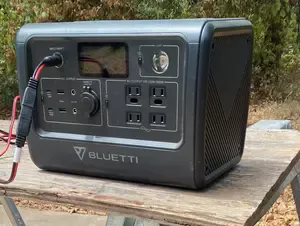 Learn what solar batteries can realistically power in an outage, how long they last, and what works best for you.
 -
Facts About Solar Panels
Aug 15, 26 10:30 PM
 Facts about solar panels are good to know when considering solar power for your off the grid homestead.