Hand Cream Recipe
A hand cream recipe like this one is a great, self-reliant way to make your own, healthy creams, using the best ingredients at a fraction of the cost.
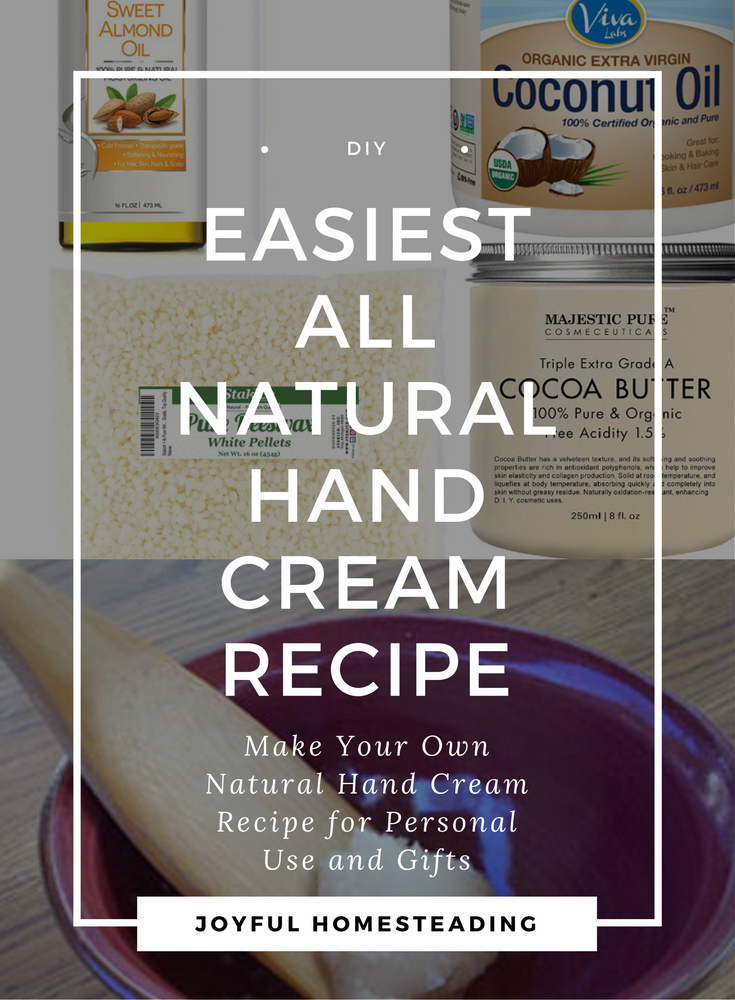
I’m a firm believer in making as many things myself as possible. Not only does it save money, but it can also protect you and your loved ones from toxic and synthetic chemicals. This recipe has the healing essential oils of bergamot, which is calming and antibacterial, and frankincense, which is relaxing and uplifting
It also has cocoa butter, giving it a chocolate scent, along with beeswax, virgin coconut oil, and sweet almond, all-natural ingredients which make it so good you almost want to eat it.
This lotion recipe is far easier to make than the cleansing cream recipe and leaves your skin soft without feeling greasy. Now that I've found this recipe, I'm tempted to never buy lotion again. It's simply that wonderful.
This recipe comes from Organic Body Care Recipes, one of my all-time favorite books, and makes an excellent gift. You can order squeezable containers online that are perfect containers for this lotion. (Find them here.)
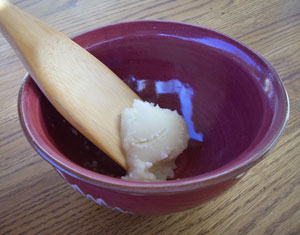
They are luxurious gifts that are easy on the budget.
I slather this hand cream on my hands after washing dishes or doing chores, and it keeps them from cracking and getting those awful peelies.
The combination of cocoa butter and essential oils give it a slight scent of spicy chocolate.
Easy to Make
Hand Cream Recipe
This is one of the easiest hand creams I have ever made. Here are the ingredients:
- 1 tablespoon cocoa butter (you can find it here)
- 2 tablespoons beeswax (find it here)
- 1/4 cup extra virgin coconut oil (find it here)
- 1/2 cup plus 1 tablespoon sweet almond oil (find it here)
- 10 drops of frankincense essential oil (find it here)
- 10 drops of bergamot essential oil (find it here)
Using a double boiler, warm the cocoa butter, beeswax, coconut oil, and almond oil until melted. The beeswax will be the last to melt.
Remove from heat and allow the mixture to cool for five minutes, and then add the essential oils. Continue stirring until the mixture becomes opaque but can still be poured. Pour it into a container and allow it to cool overnight. This recipe makes about one cup of hand cream.
Making Lotions the Smart Way
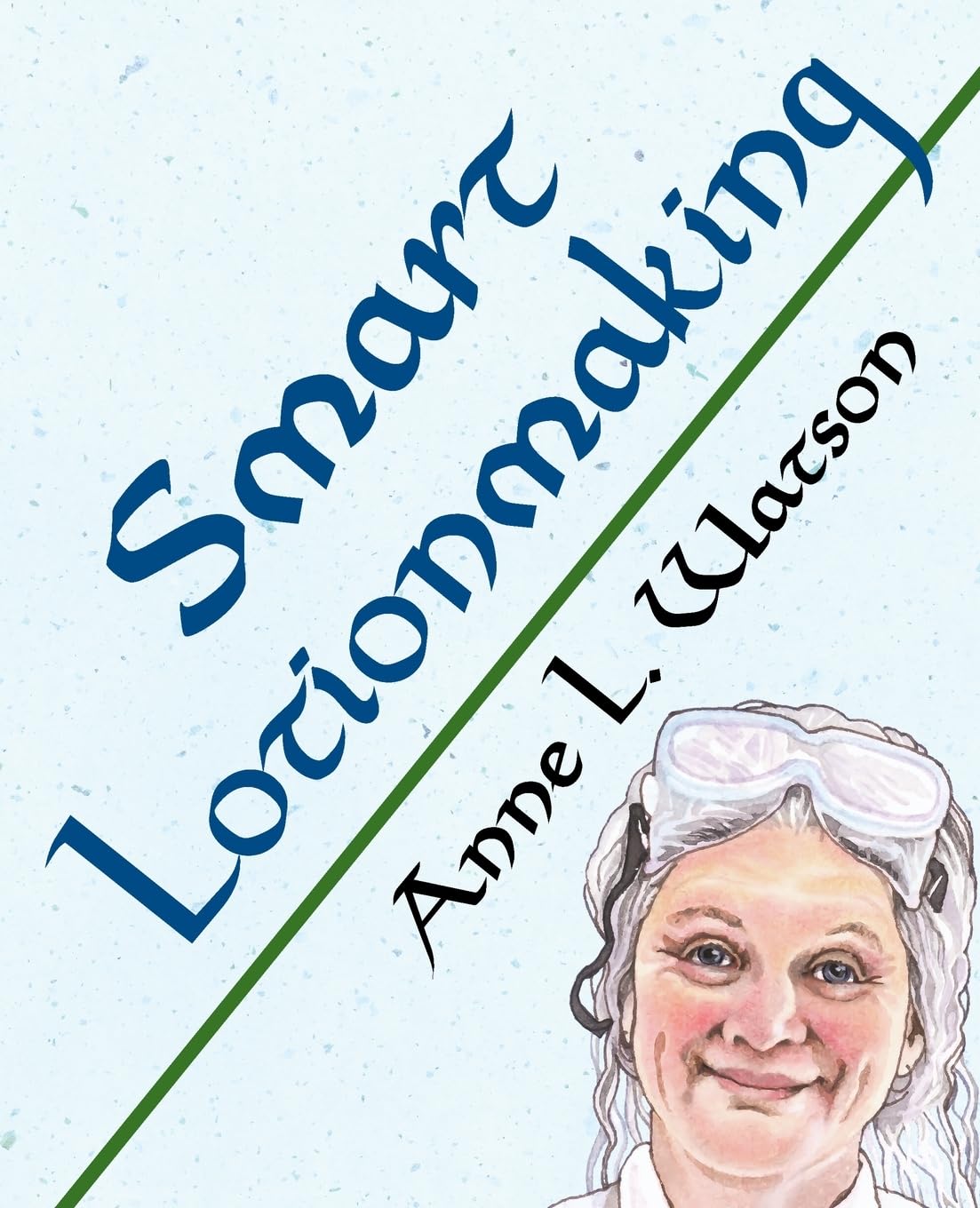
I recently ran across an amazing book entitled Smart Lotionmaking by Anne L. Watson. Watson argues that any halfway decent lotion must be expensive because it’s so hard to make. But the truth is, if everyone knew how easy it is to make lotions at a fraction of the cost, the shelves of most stores would be empty.
This is my kind of woman.
Using a hand cream recipe like this one and making your own lotion is as simple as making your own salad dressing - without all the harmful ingredients and preservatives that are in manufactured lotions.
She offers recipes for lotions to make and use yourself. Or if you have a yearning to be an entrepreneur, there are pro techniques that she includes so you can make and sell your own lotions, with suggestions on how to succeed in making and selling lotions as a business. You can get her book here.
I have included one of her recipes.
Anne's Walnut Lotion
This is a silky and light lotion that lingers on your skin.
- 60 grams (2.1 ounces) walnut oil
- 8 grams (3 ounces) stearic acid
- 14 grams (.5 ounce) conditioning emulsifier
- 6 grams (.2 ounce) vitamin E oil
- 361 grams (12.7 ounces) distilled water
- 5 grams (.2 ounce) Germaben II or Optiphen
- Up to 6 grams (.2 ounce) scent (optional)
You will need several glass jars, or what Watson calls heating containers. Make sure all equipment you plan on using is sanitized so that you don't contaminate your lotion. Watson suggests spraying down your counters and containers using a spray bottle containing 70% alcohol. Drain the alcohol from your bottles or glass jars.
Carefully weigh your ingredients using a kitchen scale. Weigh an empty (sterilized) container first to tare it, then add in and weigh each individual ingredient. Getting the weights wrong could mean a botched batch of lotion.
Work in an area that is close both to your stove and a microwave. Fill a roasting pan with an inch of water and place it in your oven and set the temperature to 180 degrees Fahrenheit or 80 degrees Celcius.
Weigh and then heat each oil in a separate container and then set them on the sterilized counter and cover each container with plastic wrap. Then put each container into the microwave and heat them in 30-second bursts until the oil is melted. Remove the container from the microwave, take off the plastic wrap and stir it.
Heat the water in the microwave until it reaches 180 degrees Fahrenheit.Weigh it once more and add more distilled water if needed.
Pour the oil ingredients into a sterilized mixing container. Then pour the heated distilled water into the same glass jars you used to measure and heat your oils. The heated water will pick up any residue left in the jars. Pour the water into the oil and stir as it cools.
I've simplified Watson's recipe quite a bit. She provides foolproof, lengthy instructions in her book, so I recommend you buy it or check it out from your local library.
Enjoy this hand cream recipe!
About the Author
My name is Sue Merriam, and I began the journey of self-reliant living more than three decades ago, which enabled me to stay home with my children. Fifteen years ago, I founded Joyful Homesteading to help others save money and face the future without fear. My goal is to give you practical, honest advice so you can save money and experience the joy of simple living. I hope you join me.
Recent Articles


-
Homesteading Legal Restrictions in HOA Communities
Aug 31, 26 05:48 PM
 Homesteading legal restrictions in HOA communities is possible, but check with your HOA and local laws.
 -
Solar Batteries for Emergency Backup During Outages at Home
Aug 19, 26 12:23 PM
 Learn what solar batteries can realistically power in an outage, how long they last, and what works best for you.
 -
Facts About Solar Panels
Aug 15, 26 10:30 PM
 Facts about solar panels are good to know when considering solar power for your off the grid homestead.