Growing Fennel
Tips and Medicinal Uses
Growing Fennel is easy, especially if you have good, rich soil with excellent drainage. This sweet herb is an excellent addition to your garden. This hardy perennial has the botanical name Foeniculum vulgare and is a member of the carrot family. Its foliage gives off a delightful aroma, and its flavor is similar to anise.
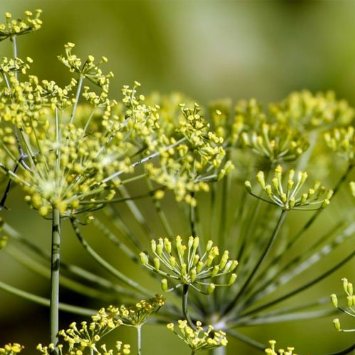
Fennel likes cooler weather and can withstand freezing temperatures.
Fennel has a bulbous base that can be eaten like other vegetables and a taproot. Its hollow stems produce feathery leaves that resemble the dill plant.
Plant fennel seeds and they won’t bloom until the second year, but when they do, they produce lovely, delicate yellow flowers that bees, butterflies, and other beneficial insects love. Think of it as a pollen magnet for your garden.
You can collect the seeds as you would from other plants, but fennel plants are adept at reseeding themselves, and they are rarely invasive. They'll come back in the same spot year after year.
Fennel as Medicine
Fennel has been respected and used medicinally since the first century A.D. when Pliny the Elder wrote about it in his famous Naturalis Historia or "Natural History".
According to the Modern Herbal, Pliny listed twenty-two remedies the plant could help with and even stated that by rubbing against the plant, serpents could shed their skins and sharpen their eyesight.
In addition to Pliny, many of the older herbalists believed that Fennel would strengthen eyesight as well. Here are nine reasons you should be growing fennel in your garden.
1. Growing Fennel is Easy
Although it prefers a rich soil, fennel is fairly easy to grow and will thrive just about anywhere so long as there is good drainage and plenty of sun. Sprinkle the seeds on your bed and cover them lightly with soil. By the way, Dill grows poorly when planted next to Fennel.
2. Fennel Can Help You Lose Weight
As early as the 17th century, the herb Fennel was thought to be helpful in both suppressing the appetite and helping with weight loss. As for modern thoughts about eating fennel, the answer is up in the air. There’s some debate about it. Still, it’s possible that eating fennel seeds can curb your appetite so you’re less likely to overeat.
3. Fennel is a Woman's Friend
Fennel tea will help increase the flow of breast milk. I've seen this happen, and I'm a firm believer.
Some people believe that if you are a nursing mom and your breasts become sore and impacted, pound the leaves and stems of fennel and make them into a paste to help relieve the swelling. However, don't take fennel internally if your breasts are impacted with breast milk. The fennel tends to encourage you to produce more milk, aggravating the situation. Instead, use a cold compress.
Fennel can also ease the symptoms of menopause. According to one study, fennel can help menopausal women with a wide range of problems.
4. Good For Kidney Troubles
Fennel tea is especially helpful for breaking up kidney stones.
5. Fennel is Good for Tummy Troubles
The next time you're experiencing nausea, drink some fennel tea. It aids in digestion and can even ease hiccups.
6. Fennel is Beneficial to the Liver
Drinking fennel tea regularly is supposed to help purify the liver and even reverse the damage done by alcohol abuse.
7. A Boon to Children as Well
Fennel tea can help ease colic in babies and also help expel worms in small children.
8. A Natural Breath Freshener
Forget those commercially-prepared mouthwashes that are loaded with chemicals. Instead, allow the tea to get cool and then gargle with it to freshen your breath.
9. A Safe Flea Deterrent
Fleas don't like the herb Fennel, so sprinkle it around your doorways and near your pet's bedding to repel fleas.
Growing Fennel - Harvesting Tips
Harvest Fennel when the bulbs are the size of tennis balls or bigger.
Pull up every other plant to allow the remaining plants to grow even bigger.
Your Fennel will continue growing even after several hard frosts.
Harvest the seeds when the flowers of the herb Fennel have died.
Remove the seeds and dry them in a cool, dry location.
In the Kitchen
You can also cook fennel, which tastes like anise.
Learn More About Medicinal Herbs
Learn More About Self-Reliant Healing
Return from Growing Fennel to the Home Page
About the Author
My name is Sue Merriam, and I began the journey of self-reliant living more than three decades ago, which enabled me to stay home with my children. Fifteen years ago, I founded Joyful Homesteading to help others save money and face the future without fear. My goal is to give you practical, honest advice so you can save money and experience the joy of simple living. I hope you join me.
Recent Articles


-
Homesteading Legal Restrictions in HOA Communities
Aug 31, 26 05:48 PM
 Homesteading legal restrictions in HOA communities is possible, but check with your HOA and local laws.
 -
Solar Batteries for Emergency Backup During Outages at Home
Aug 19, 26 12:23 PM
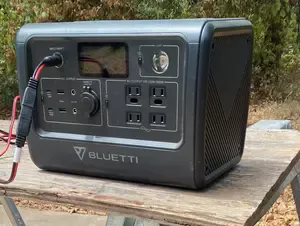 Learn what solar batteries can realistically power in an outage, how long they last, and what works best for you.
 -
Facts About Solar Panels
Aug 15, 26 10:30 PM
 Facts about solar panels are good to know when considering solar power for your off the grid homestead.