Frost Protection for Plants
Frost protection for plants and tips for protecting your fall gardening
from frost.
Fall gardening is a great way to extend your growing season or get a
fresh start if you've had a terrible summer.
Why Frost Is a Problem
If the air temperature quickly drops below 32 degrees Fahrenheit, water vapor freezes, forming ice crystals and causing water inside the plant cells to freeze as well. If the temperature drops below 25 degrees Fahrenheit for at least four hours, that’s what’s known as a hard frost that can kill your plants. Most vegetables and annual plants will die in these conditions.
Here in Oklahoma, we just went through a blistering summer with temperatures well over a hundred degrees each day from June through the beginning of September.
It was all I could do to keep my garden alive; harvesting any produce was out of the question.
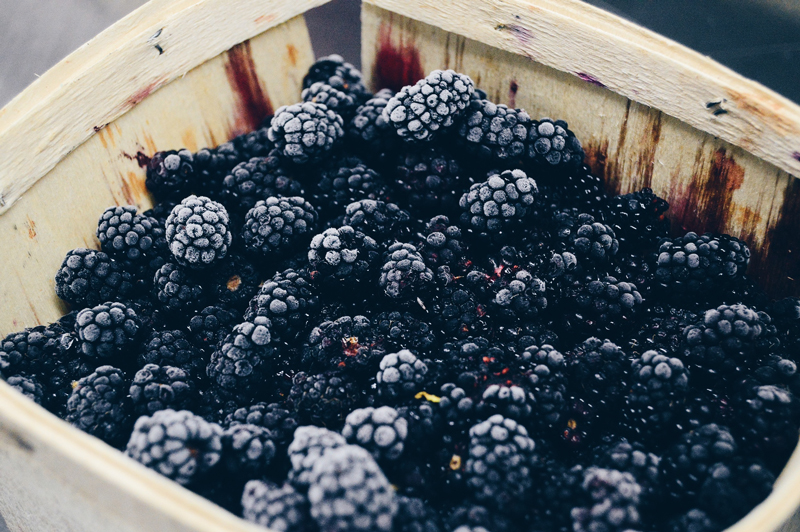
Photo by Downeast Cheesecakes
Fortunately, now that it's October, the temps are cooler, we're getting tomatoes and squash, and my peas, carrots, and green beans look promising. Unfortunately, there's supposed to be freezing temperatures later this week.
And that's the problem with having a fall garden, even in a southern climate such as Oklahoma. How can you keep your poor garden from freezing to death so that you can enjoy the harvest of all that hard work?
Here are some tips to extend your growing season and have the most bountiful fall harvest ever:
Keep Your Plants Healthy
Be proactive throughout the growing season. Strengthen your plants by providing them with the best soil and watering them daily. Also, keep your garden weeded so your plants have the best nutrition possible. Just as you are best protected when you have a healthy immune system, your plants will be healthier too - and better able to withstand a frost.
Grow Frost-Hardy Plants
Naturally, if you do plan on growing a fall garden, the wisest choice is to start with plants that don't mind a little frost. Peas are a good choice, as well as root vegetables such as carrots and turnips, and broccoli, green beans, cabbage and kale.
Your Best Frost Protection for Plants
Is Your Friendly Weatherman
Keep an eye on the extended forecast and watch out for any predictions of low temperatures. That way you'll have time to take precautions and protect the plants in your garden should freezing temperatures arrive.
Also, ease up on the fertilizers. Fertilizers encourage your plants to put out new leaves that are too tender to survive freezing temperatures. So when the weather gets down to about 70 degrees Fahrenheit during the day, stop all fertilizing.
Root vegetables such as turnips are a good choice for a fall garden
If you have potted plants and your weatherman is predicting frost, move your potted plants inside to protect them. But what about plants that are in the ground or are too heavy to move?
The secret is to cover your plants. Just make sure they're not plastic.
Why You Should Avoid Plastic Tents
It’s best not to use plastic materials to cover your plants. That’s because plastic materials aren’t breathable, and moisture can get trapped inside. As the temperatures drop, the trapped moisture will freeze your plants even worse than if you hadn’t covered them at all.
Instead, use natural materials, such as burlap, cotton, or even newspaper. That way, the moisture can escape, but the cover will prevent the freezing air from reaching your plants.
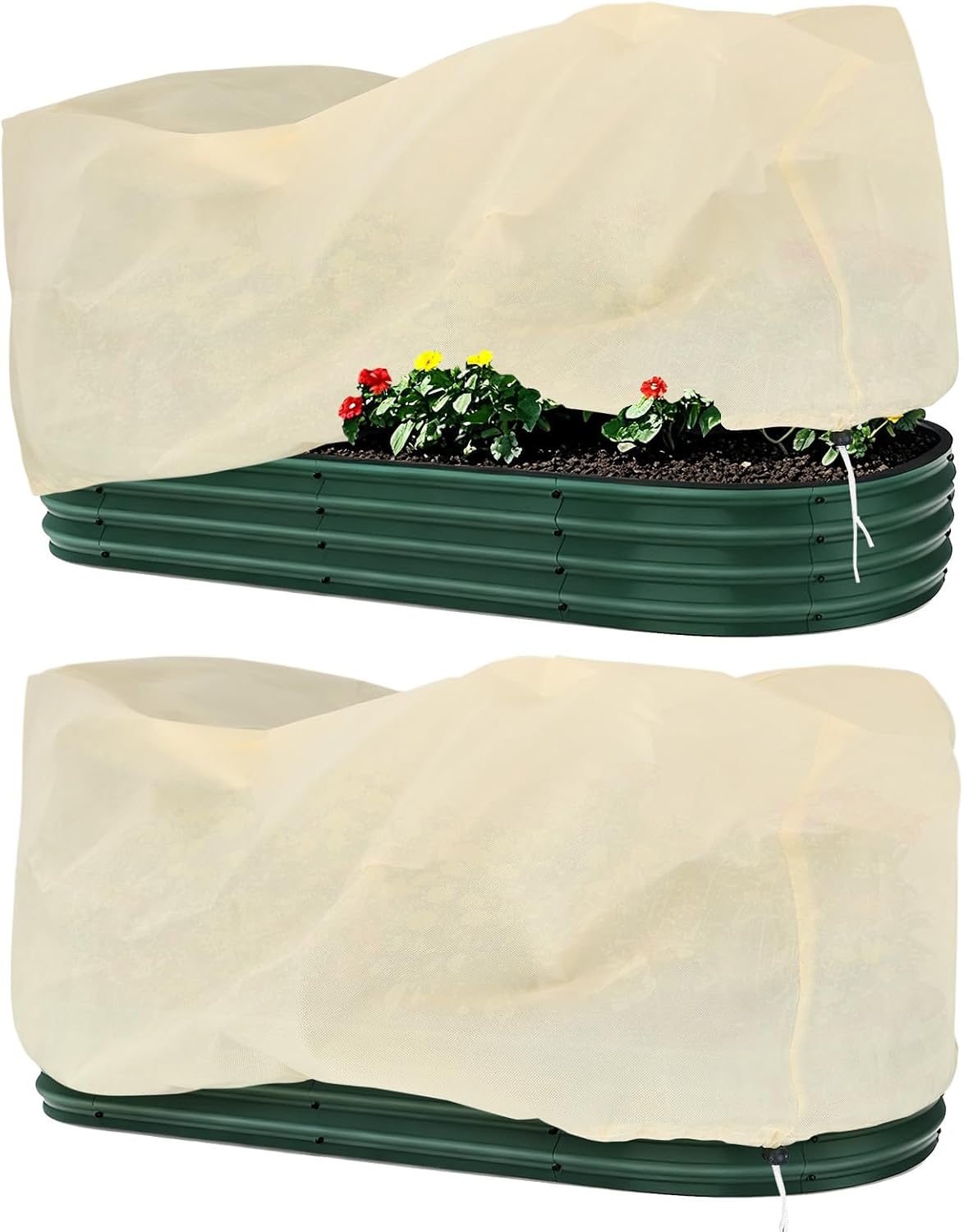
Cloth covers, like these, can provide protection from the frost.
Weather Proof Your Plants
If you know a frost is coming, be sure to give your plants water right before midday. If the soil surrounding your plants is moist when the sun is warmest, the soil will better hold in the heat and protect your plants. Just don’t overwater your plants. The goal is to moisten the soil, not make it soggy.
Add a three- to six-inch layer of mulch around your plants. Mulch not only keeps out the weeds, but it also helps your soil to keep the heat in. But keep the mulch at least three inches away from the stems of your plants.
If you have any mature vegetables, harvest them. Otherwise, they’ll freeze in the cold and will become inedible.
Then, at dusk, cover your plants with burlap or other cloth. Make sure the covers reach the line of soil. Wind is our worst enemy in Oklahoma, and it's probably a problem in your area as well, so anchor the cover by laying heavy objects on the fabric or otherwise pinning it down.
That way, you can improve your chances of a bountiful fall harvest.
Learn More About Organic Gardening
Return from Frost Protection for Plants
About the Author
My name is Sue Merriam, and I began the journey of self-reliant living more than three decades ago, which enabled me to stay home with my children. Fifteen years ago, I founded Joyful Homesteading to help others save money and face the future without fear. My goal is to give you practical, honest advice so you can save money and experience the joy of simple living. I hope you join me.
Recent Articles


-
Homesteading Legal Restrictions in HOA Communities
Aug 31, 26 05:48 PM
 Homesteading legal restrictions in HOA communities is possible, but check with your HOA and local laws.
 -
Solar Batteries for Emergency Backup During Outages at Home
Aug 19, 26 12:23 PM
 Learn what solar batteries can realistically power in an outage, how long they last, and what works best for you.
 -
Facts About Solar Panels
Aug 15, 26 10:30 PM
 Facts about solar panels are good to know when considering solar power for your off the grid homestead.