Canning Fruits and Vegetables
Canning fruits and vegetables is not just a skill; it's a time-honored tradition.
Linda shares the canning skills she learned from her grandmother - editor.
When I was a little girl, my grandmother wanted to teach me everything she had learned in her youth.
She felt that her life was simple and free of all the complicated distractions of the modern world.
One of the lessons she taught me was how to can fruits and vegetables. Although the methods change slightly as time goes by, the idea is still the same. It is a great way to preserve fresh fruits and vegetables without sacrificing the nutrients or taste.
Canning Fruits and Vegetables
The Importance of Cleanliness
My grandmother was very serious about her canning. In her kitchen, hygiene came first.
Jars and lids were sterilized in boiling water for thirty minutes.
The fruits and vegetables, fresh from her garden, were thoroughly cleaned.
She normally used boiled water to preserve vegetables and homemade juice to preserve fruits.
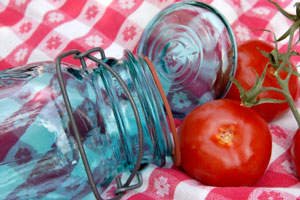
After she filled the jars, she always let me pour the liquid in. This was my shining moment, because it seemed to be the most important part. Each type of produce needed a different amount of coverage. Grandma made sure I never poured too much or too little. She told me the fruits and vegetables needed room to dance.
The Importance of Sterilizing
Once the lids were on, Grandma did the sterilizing. She put the jars into a huge pot of boiling water for varying amounts of time. When I was younger, I didn't understand the details, so she made a list of food types and time requirements. Grandma explained that these jars would last an entire year and save the family tons of money.
Passing On the Skill of
Canning Fruits and Vegetables
Once I became an adult, the concept of canning my own produce seemed old-fashioned.
But when my daughter was born, I decided to pass the knowledge on and let her decide if she wanted to use it.
Teaching her in the same manner my grandmother taught me was a lesson in itself.
It reminded me that the art of canning isn't old-fashioned, it's time-honored.
To this day, my daughter and I make preserves together once a year.
It helps us appreciate that we are responsible for our individual
livelihoods, whether we buy food at the market or grow and can it
ourselves.
Linda
Important Things To Remember
When Canning Food
Canning fruits and vegetables can be a great way to preserve the bounty from your garden, but if you don't follow safe procedures, you could put your health at risk. Canning isn't rocket science, but it's not an area where you should skip steps.
The important things to remember is to invest in the right type of containers and lids and to keep everything clean.
The Right Containers

The containers you use should be made of glass and durable enough to sustain high temperatures. Mason jars or bell jars are a wise investment. Because they will last for years, they're an excellent investment.
While you can reuse the jars over and over again, you want to make sure the lip of your jar is free from chips and cracks. Any chips - even small ones - will allow air into the jar after you've canned, meaning the lid won't seal properly and your food will spoil.

Two other important elements of your canning equipment are the band and the lid. The band is the round metal ring that you screw onto the jar. Make sure your band is free from rust and not warped. A warped band will be difficult to screw onto the jar.
The lid is a flat, round metal lid that fits inside the band. Look closely at the lid, and you'll see a gummy substance that surrounds the edge of the lid. That gum melts in the heat and seals the band onto your jar.
Sanitize Everything
Cleanliness is crucial when it comes to canning. Just like Linda said, it's crucial to boil your jars to make sure they aren't harboring harmful bacteria that could later grow into dangerous molds.
Learn From the Experts
The National Center for Home Food Processing and Preservation is an excellent resource to help you learn safe canning techniques. You can order their book, So Easy to Preserve, here.
Learn More About Frugal Cooking
Return from Canning Fruits and Vegetables to the Home Page
About This Website
My name is Sue Merriam, and I began the journey of self-reliant living more than three decades ago, which enabled me to stay home with my children. Fifteen years ago, I founded Joyful Homesteading to help others save money and face the future without fear. My goal is to give you practical, honest advice so you can save money and experience the joy of simple living. I hope you join me.
Recent Articles


-
Homesteading Legal Restrictions in HOA Communities
Aug 31, 26 05:48 PM
 Homesteading legal restrictions in HOA communities is possible, but check with your HOA and local laws.
 -
Solar Batteries for Emergency Backup During Outages at Home
Aug 19, 26 12:23 PM
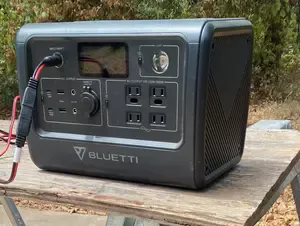 Learn what solar batteries can realistically power in an outage, how long they last, and what works best for you.
 -
Facts About Solar Panels
Aug 15, 26 10:30 PM
 Facts about solar panels are good to know when considering solar power for your off the grid homestead.