Beekeeping Basics
for Early Spring
These beekeeping basics will ensure your bees will survive the end of winter and produce plenty of honey for you this spring and summer.
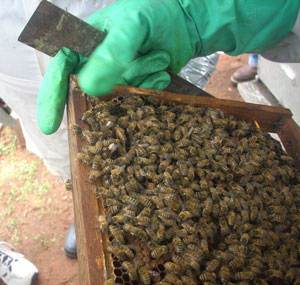
Keeping bees is an excellent hobby, as you not only get some of the best honey available, but you will also be saving the environment.
Let's face it; bees are a lot more fragile than they used to be. An older beekeeper once told me that beekeeping used to be a breeze. He could simply set out a hive and leave it be, and the bees would thrive on their own. Unfortunately, that is no longer the case.
Bees now face a plethora of health risks. It's tough being a bee these days, what with colony collapse disorder, wild weather, and all kinds of parasites that will attack your sweet little bugs.
Albert Einstein once famously said, “If the bee disappears from the surface of the earth, man would have no more than four years left to live.”
That’s because bees are so crucial to pollinating crops. Without pollinators, there’s no food. That’s how crucial bees are to our very existence.
So when you save the bees, you truly are saving the world and everyone who lives here. So keep these tips in mind when working with your hive.
Order Your Bees by the End of February
You need to plan if you want bees. If you are going to order bees, be sure to place your order by the end of February. Most suppliers of bees have a limited amount of nucs available for sale each year. By ordering early, you can ensure you'll be able to keep bees this year.
Beekeeping Basics for
If You Already Have Bees
If you already have a hive of bees, one of the crucial basics is to make sure your bees don't starve before plants start producing pollen. Early spring is a wonderful time to be a beekeeper and a perilous time for your bees.
Hungry Bees are Unhappy Bees
Most likely, your bees have been shut up all winter and are running low on food. As the temperatures in your area get warmer, they will be coming out of the hive and looking for nectar - and could die quickly of starvation unless they find something to eat.
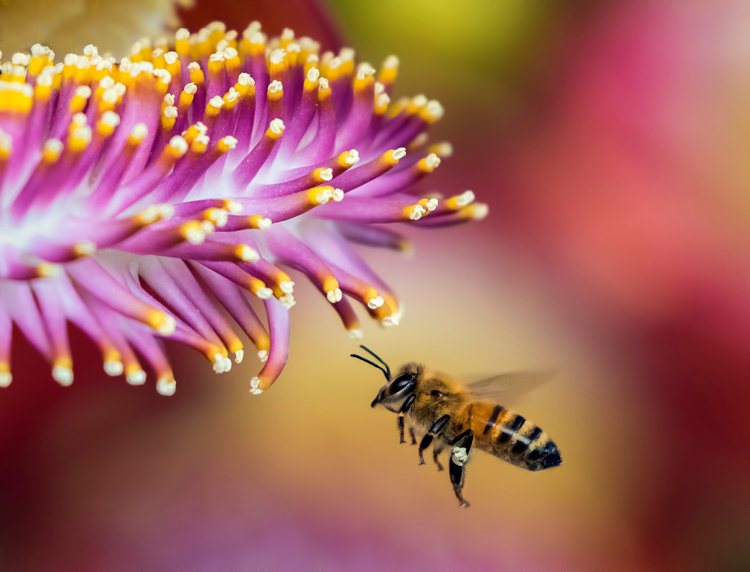
Get your spring beekeeping off to a good start by preparing a syrup for them, an essential part of your beekeeping basics.
Making Syrup for Your Bees
Bring a gallon of water to a full boil and add five pounds of sugar. Stir until the sugar is completely dissolved and allow it to cool. Fill a gallon chicken waterer with your syrup and then add gravel or small rocks to the watering tray so your bees don't drown.
Set the waterer about 100 feet away from your hives.
Don't set it right in front of your hive, because it will encourage robber bees to come. By setting your syrup far enough away to prevent robbing while still providing a source of nectar, you will strengthen your hive for the coming productive months.
If you don't have a chicken waterer, get a large plastic jar with a screw-cap lid.
Drill a hole near the top of the jar that is one and a quarter-inch wide.
Fill the jar with your syrup, screw the lid back on and then set your jar, upside down on a large cookie sheet.
Place small rocks or gravel on the cookie sheet to again ensure your bees don't drown.
Provide Warmth for Your Hive
Cover the top of your hive with black tar paper to help absorb warmth from the sun and naturally heat the hive. (Remove it when the weather gets warmer).
Or you can cover the top of your hives with straw to help provide insulation and keep the warmth in. Just cover the top of the hives, and not the entrance so your bees can still leave and reenter the hive.
Inspecting Your Hive in Early Spring
Make sure the temperatures are at least 70 degrees Fahrenheit or warmer before your inspect your bees.
Otherwise, your bees will get chilled and could die.
Other Helpful Tips
The video below, provided by A Future With Bees, also provides lots of tips to carry your bees through winter.
About the Author
My name is Sue Merriam, and I began the journey of self-reliant living more than three decades ago, which enabled me to stay home with my children. Fifteen years ago, I founded Joyful Homesteading to help others save money and face the future without fear. My goal is to give you practical, honest advice so you can save money and experience the joy of simple living. I hope you join me.
Recent Articles


-
Homesteading Legal Restrictions in HOA Communities
Aug 31, 26 05:48 PM
 Homesteading legal restrictions in HOA communities is possible, but check with your HOA and local laws.
 -
Solar Batteries for Emergency Backup During Outages at Home
Aug 19, 26 12:23 PM
 Learn what solar batteries can realistically power in an outage, how long they last, and what works best for you.
 -
Facts About Solar Panels
Aug 15, 26 10:30 PM
 Facts about solar panels are good to know when considering solar power for your off the grid homestead.