Bee Syrup
Bee syrup is good to make and have on hand both for helping your bees settle into their new hive and feeding your bees on a regular basis. Here are some recipes and tips for feeding your bees.
Why Feed Your Bees?
It's tough being a bee these days. Not only do they have to compete with other insects for a limited supply of pollen, but they are also being bombarded with pesticides, GMOs and harmful radio waves from cell phone towers.
Old time beekeepers have told me that beekeeping used to be as simple as setting the hive in the backyard and then harvesting honey after a year or so.
Not so, any longer. Bees need lots of tender loving care, and as good stewards of the earth, it's our job to provide it.
Your Amazing Bees
Bees have an innate talent for seeking out nectar and bringing it back to the hive for the bees to consume. But after a long winter, their food stores are depleted. Plus, there is an increase in hungry brood that need to eat. Even though spring is in the air and flowers are beginning to bloom, this is the time when bees are most likely to starve.
That’s why it’s a good idea to provide your bees with some extra food to tide them over until they are able to make their own honey.
How Can You Tell If They Need Syrup?
You mustn’t harvest too much honey from your beehive. You like honey, but you can also find other food elsewhere. Not so for your bees. The honey in their hive is all they have for food. So when you harvest honey in the fall, don’t go crazy.
After winter has passed, you need to check to see if your bees need syrup. According to Mother Earth News, if your bees still have enough honey to live on, the frames should be stuck together with honey and wax. If you can lift a frame with two fingers, your bees don’t have enough food, and they could starve.
Feed Your Bees Regularly
That's why it's important to make both of the recipes provided here and give them to your bees on a regular basis, especially the first year when your bees are the most vulnerable. You will need the syrup if you order a three-pound package of bees to help ease your bees into their new home.
And the sugar and grease patties will help your bees survive the winter and keep the mites away.
So let's get started.
Bee Syrup Recipe
Here's the recipe that comes from Beekeeping For Dummies (an excellent resource, by the way):
- 2 1/2 quarts of water
- 5 pounds of white granulated sugar
- Large pot
- Large spoon
Put the water in the pot and bring it to a full, rolling boil. Remove it from the heat and add the sugar.
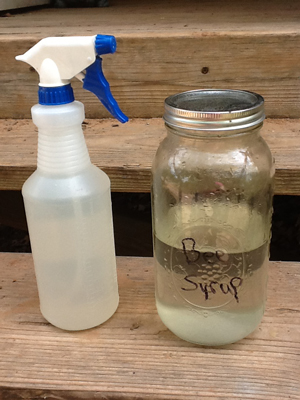
Stir well, until the sugar is completely dissolved. Don't boil the water/sugar mixture as it might caramelize, and caramelized sugar can make your bees sick. Allow the syrup to cool completely and store it in quart jars until you are ready to use it.
How to Feed Your Bees
Pour some of the bee syrup into a plastic bag. Place the bag on your feeding frame (it's the frame with a hole in the center). Using a straight pin, poke a few small holes in the bag and then place the top on the frame. When the bag is empty, replace it with a new one throughout the spring and also in the fall.
Sugar Grease Patties
To keep the mites away as well as keeping your bees healthy, make sugar patties and add them to your hive regularly. These patties are a simple mixture of shortening or coconut oil, sugar, honey and sea salt. As the bees eat the sugar, they become coated with the grease which helps keep the mites off.
Here's the recipe, also from the Beekeeping For Dummies book:
- 1 1/2 pounds of vegetable shortening or coconut oil
- 4 pounds of granulated sugar
- 1/2 pound honey
- 1/3 cup of mineral salt (optional)
- 3 drops wintergreen essential oil (only during times you are not harvesting honey)
Mix all the ingredients together until smooth. Form into about twelve hamburger-size patties. Add one patty to each hive and store the rest in a plastic food bag and freeze for later use.
During the first year and any time when you don't plan to harvest honey, also add a few drops of wintergreen essential oil to the patties to further discourage mites.
Related article: How to Choose the Best Location For Your Bees
About the Author
My name is Sue Merriam, and I began the journey of self-reliant living more than three decades ago, which enabled me to stay home with my children. Fifteen years ago, I founded Joyful Homesteading to help others save money and face the future without fear. My goal is to give you practical, honest advice so you can save money and experience the joy of simple living. I hope you join me.
Recent Articles


-
Homesteading Legal Restrictions in HOA Communities
Aug 31, 26 05:48 PM
 Homesteading legal restrictions in HOA communities is possible, but check with your HOA and local laws.
 -
Solar Batteries for Emergency Backup During Outages at Home
Aug 19, 26 12:23 PM
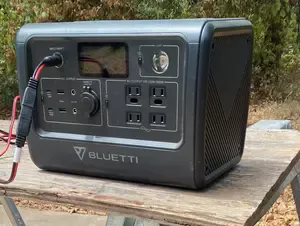 Learn what solar batteries can realistically power in an outage, how long they last, and what works best for you.
 -
Facts About Solar Panels
Aug 15, 26 10:30 PM
 Facts about solar panels are good to know when considering solar power for your off the grid homestead.