Baking With Honey
Baking with honey, especially when using locally produced, raw honey, is a great way to get a little extra nutrition into your baking goods. Because honey is a liquid, you may need to make some adjustments in your recipes when you bake using this golden liquid, but you will find the benefits outweigh the challenges of using honey in recipes.

And if you keep bees on your homestead, you'll be looking for extra ways to use that wonderful, golden nectar, so here are a few facts about honey:
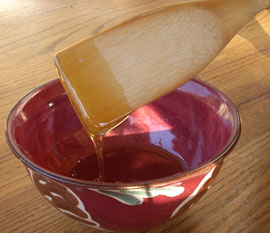
A Healthy Choice
Honey is better for you than sugar because it makes your blood sugar rise at a lower rate than sugar. The slower your blood sugar rises, the longer it will take to drop down again, helping you to avoid those awful sugar roller coasters. But this is only true for raw honey, so always look for honey that has been raised locally.
Unlike processed sugar and other sweeteners, honey is a natural food. It's loaded with antioxidants, vitamin C, B vitamins, healthy enzymes, and amino acids. Honey is anti-inflammatory and antimicrobial, meaning it can slow the growth of parasites, viruses, fungi, and other harmful agents in your body.
But only raw honey will have these amazing benefits. The honey you buy in the store is usually processed, which means it has been heated to the point where the nutrients are gone, leaving only sugar.
Also, keep honey away from children under two. Babies under twelve months and diabetics need to steer clear of honey, and especially raw honey, which has bacteria that could be fatal to an infant.
The darker the honey, the stronger the flavor is likely to be, so keep that in mind when you are purchasing honey.
How To Find Raw Honey
Honey that is locally produced is far better for you because the bees have harvested pollen from local plants to produce their honey. That means having a little of this honey every day could help you fight off allergy symptoms.
But buying a bottle at the store that claims to be locally produced doesn't guarantee you will be getting a local honey. Instead, visit your local farmer''s market. Look at the label to see where the honey is produced. Is the actual beekeeper selling it?
Also, look at the color of the honey. Locally produced, raw honey will vary slightly in color from jar to jar.
Another great way to find locally produced honey is to contact your local beekeepers association. That way, you can find beekeepers who are located within a short distance from where you live.
Baking Tips
When substituting honey for sugar in any recipe, use equal amounts up to
one cup.
If your recipe calls for more than one cup, then substitute less honey -
approximately two thirds to three fourths of a cup for every cup of
sugar.
Also, if you are using more than one cup of honey in a recipe, then you
will need to reduce the amount of liquid by one fourth of a cup for
every cup of honey you use.
When baking breads or cakes with honey, you will need to lower your oven temperature 25
degree Fahrenheit and watch it carefully. Honey burns easily.
If you plan on using a recipe that doesn't already call for baking soda, you will need to add one fourth of a teaspoon of it for every cup of honey you use. It will help your baked goods rise when baking with honey.
Other Tips For Baking With Honey
To keep honey from sticking to your measuring cups and spoons, always measure and add your oil first, and
then use the same measuring instrument for your honey. That way, the honey slips out of the measuring instrument quickly and smoothly. Much less of this liquid gold ends up in the wash that way.
Honey is heavy. A cup of honey weighs twelve ounces, while a cup of water weighs only eight ounces.
You need to keep this in mind when buying and using honey for your recipes.
Raise Your Own Honey
Locally produced honey can be expensive, but worth it. Or, you can take it a step further by raising your own bees. Not only will you save money in the long run, but you will also be saving the bees.
Whether it's because of cell towers or increased environmental toxins, many bees are dying, and without tender care, they could disappear altogether. You can do your part by learning to care for these amazing insects.
It doesn't take much space to keep bees, and not only will you get the sweet reward of your own locally produced, raw honey, but your bees will also pollinate your garden. You can also sell your extra honey for extra income.
About the Author
My name is Sue Merriam, and I began the journey of self-reliant living so that I could stay home with my children. Fifteen years ago, I founded Joyful Homesteading, a website dedicated to helping others face the future with joy. My goal is to give you practical, honest advice so you can learn practical skills and save money.
Recent Articles


-
Homesteading Legal Restrictions in HOA Communities
Aug 31, 26 05:48 PM
 Homesteading legal restrictions in HOA communities is possible, but check with your HOA and local laws.
 -
Solar Batteries for Emergency Backup During Outages at Home
Aug 19, 26 12:23 PM
 Learn what solar batteries can realistically power in an outage, how long they last, and what works best for you.
 -
Facts About Solar Panels
Aug 15, 26 10:30 PM
 Facts about solar panels are good to know when considering solar power for your off the grid homestead.