Methane Digester
A methane digester is not for everyone, but only the hardiest of self-reliant souls who are striving to get off the grid and who have plenty of livestock, because you will need plenty of manure for this to work.
If you do have plenty of livestock, one of these digesters is a great way to use the manure on your property and convert it into something highly useful, such as fuel for your lights, cooking, or fans. And you have that manure anyway. You might as well make it into something useful.
If you have a large herd - say about 150 head of cattle or more- you would have enough manure and enough methane to cut back considerably on your energy costs.
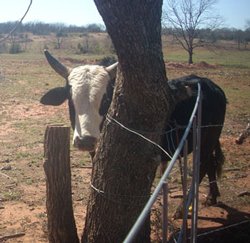
But even with manure from a small herd, you could still convert it into enough methane for cooking or heating water.
The manure from a small herd can save you money on cooking fuel, but it’s not practical for other power needs, such as lighting, fans, or appliances, unless you have enough cattle or other livestock to produce a lot of manure.
Why Manure?
Manure from livestock provides the right balance of nutrients, including proteins, fats, and carbohydrates, to feed anaerobic bacteria and enable those bacteria to produce methane gas.

What is Methane?
Anytime an organic substance - either from an animal or vegetable source - decomposes, it produces methane gas. Methane gas is a greenhouse gas that is supposed to be far more detrimental on our environment than carbon dioxide. A digester takes that gas and converts it into energy.
Plus, unlike oil, which is a finite resource, methane is constantly being produced on our planet. We'll never run out of methane gas. Plus, once methane gas is produced, the waste substances left over - both solids and liquids - can be used as organic fertilizers.
How a Methane Digester Works
When matter breaks down and there is no oxygen, then the anaerobic bacteria break down the matter and produce biogas as a waste product.
This happens naturally in swamps, rice fields, waterlogged soils, and the intestines of large animals, but can also be manufactured by storing waste in an airtight container and providing an exit valve for the resulting methane gas.
The first step is the acid-forming stage. The bacteria break the solids down into fatty acids. The bacteria then convert those acids into methane gas along with carbon dioxide.
The methane process won’t work if it’s exposed to oxygen, so the manure must remain in a sealed tank. Also, the mixture must remain warm - between 95 and 100 degrees Fahrenheit to function properly. So you will need both a tank that is kept warm by a heater.
Can it Replace the Power Grid?
It could if you had enough manure, preferably cow manure, which is one of the best sources of methane gas. If you have at least 150 cattle or more on your land, it would probably be worth the cost to invest in a large-scale, continuous feed methane digester. With that much manure - and the resulting methane - you could easily generate your own electricity.
But For the Rest of Us...
Most of us small-scale homesteaders would use a batch-type methane digester. They're relatively easy to assemble - if you know welding. It involves getting two drums: one that is 50 gallons and the other 30 gallons. Cut the top off the 50-gallon drum and the bottom off the 30-gallon drum.
Install an exit valve onto the top of the 30-gallon drum. This is where you will tap off the methane gas. Then fill the 50-gallon drum with manure, shredded newspaper and lots of water. Stir it until it becomes slurry - a liquid with particles of manure and newspaper.
Put the smaller drum on top and hold it down with weights. The created gas will force the top drum to rise. Release this first gas into the air. It is crucial to do this because this first gas is highly flammable. When the top drum rises again, this gas should be usable methane gas.
Warning!
Methane gas - like any gas - is highly flammable. You will want to research this thoroughly before you try this at home. Here's a good resource to get you started.
Learn More About Going Off the Grid
Return From Methane Digester to the Home Page
About the Author
My name is Sue Merriam, and I began the journey of self-reliant living more than three decades ago, which enabled me to stay home with my children. Fifteen years ago, I founded Joyful Homesteading to help others save money and face the future without fear. My goal is to give you practical, honest advice so you can save money and experience the joy of simple living. I hope you join me.
Recent Articles


-
Homesteading Legal Restrictions in HOA Communities
Aug 31, 26 05:48 PM
 Homesteading legal restrictions in HOA communities is possible, but check with your HOA and local laws.
 -
Solar Batteries for Emergency Backup During Outages at Home
Aug 19, 26 12:23 PM
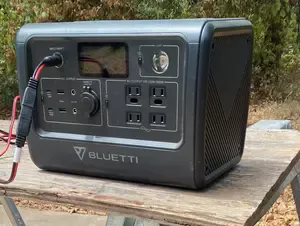 Learn what solar batteries can realistically power in an outage, how long they last, and what works best for you.
 -
Facts About Solar Panels
Aug 15, 26 10:30 PM
 Facts about solar panels are good to know when considering solar power for your off the grid homestead.