Growing Angelica
Growing angelica in your garden can reap big rewards, including more energy and relief from digestive complaints. People once believed that an angel showed them the plant’s medicinal qualities, so they named it Angelica. There’s certainly something fairy-like about this plant with its delicate leaves and flowers. Start this plant in your garden or yard, and you won't regret it.
About Angelica
The plant is also known as Archangel, Norwegian Angelia, and Wild Celery. The herb tastes sweet and has been used in the kitchen and in the medicine cabinet for centuries. In the 17th century, angelica was considered one of the most important herbal medicines available.
It is a member of the carrot family and looks similar to its cousins, yarrow and the deadly hemlock plant, which is why I suggest you grow it from seed rather than forage for it.
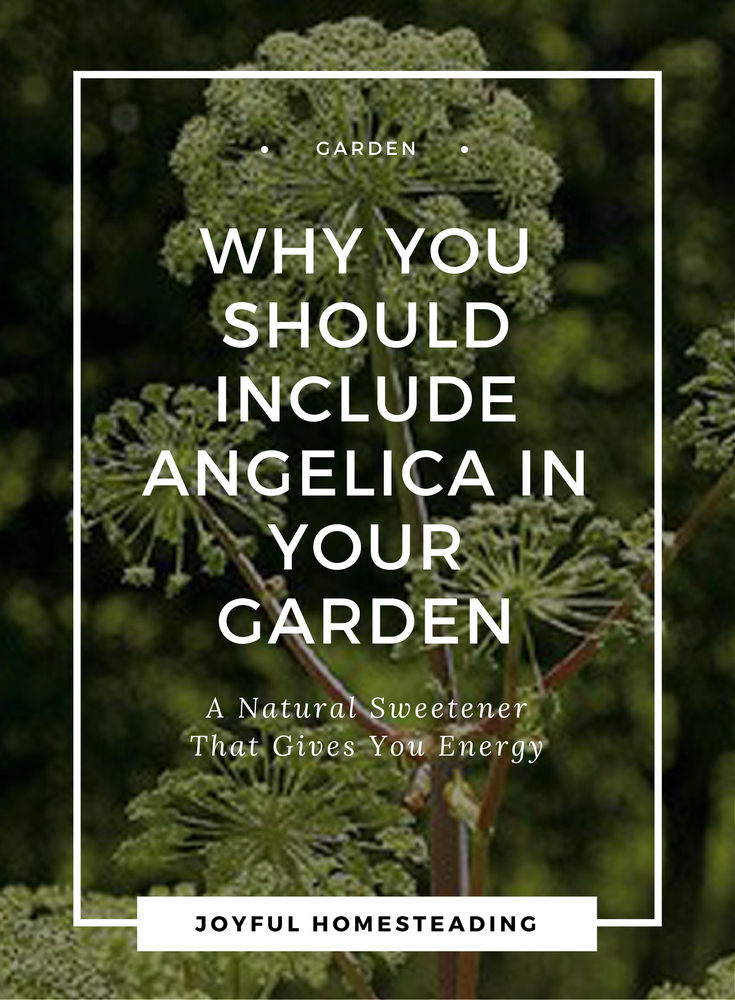
Angelica has large, lobed leaves and thick, hollow stems. Both the leaves and the stalks can be used as a natural sweetener. You can use both roots and leaves of the herb angelica, as well as the seeds. Dry the roots quickly and store them in an airtight container. Use the leaves fresh.
Growing Angelica
For the Medicine Cabinet
The root of herb angelica can be used in an infusion. Drink it daily and within a few days you will have more energy. It's also good to stimulate circulation. If you are suffering from gas, chew the stems of angelica for relief.

In the Kitchen
The stems and seeds can be used to make foods sweet and also for liqueurs. It can also be used to sweeten wine and add a unique, sweet taste to your jams and jellies. The seeds, young stems, and roots taste like licorice.
Make a Liqueur
Take one ounce of the fresh leaves, chop them and allow them to steep
along with skinned, chopped almonds in brandy for five days.
At the end of the five days, strain the liquid through muslin and add a
pint of syrup.
The liqueur is good for digestive ailments.
In addition to making a tasty liqueur, the herb angelica is also used to make Vermouth and Chartreuse.
Growing Angelica
Angelica is a perennial plant, meaning it comes back year after year. The herb angelica prefers a moist, shady spot, although it can also handle some drought and some frost. If you can get the plants from a greenhouse, it will be easier to grow, but you can also start it from seed. Work and loosen the soil with compost and organic matter before planting your angelica seeds.
Plant your angelica in a spot that either has full sun or partial shade, and keep the soil constantly moist. Don’t let the soil dry out between waterings, or your angelica will suffer.
The angelica plant lives through a two-year cycle. The first year, the plant only produces foliage. You’ll get flowers the second year. Once the seeds ripen, the plants will die. During the second year, you can either propagate the cuttings or start them again from seed.
If your angelica is happy, it will reseed itself for up to four years,
but angelica is usually considered a biennial, meaning it's neither an
annual nor a perennial, but something in between.
According to A Modern Herbal (Volume 1, A-H): The Medicinal, Culinary, Cosmetic and Economic Properties, Cultivation and Folk-Lore of Herbs, Grasses, Fungi, Shrubs & Trees with Their Modern Scientific Uses, the herb angelica might have gotten its name because it tends to bloom on the day of Michael the Archangel (May 8, old style).
It was once considered a preservative against evil spirits and witchcraft. All parts of the plant were believed to fight against spells and enchantments. It was held in such esteem that it was called "The Root of the Holy Ghost." (Page 36).
If You Are Foraging For Angelica, Be Aware
If you are foraging for angelica, it’s crucial to recognize the difference between angelica and the dangerous hemlock plant. Hemlock plants and angelica come from the same botanical family called Apiaceae. But there are distinct differences. The stems of the poisonous hemlock will have purplish-red streaking or splotching, even more so at the plant’s base. The flowers on a poisonous hemlock plant can grow as tall as ten feet high.
Even small doses of hemlock can cause respiratory distress and death, so you certainly don’t want to be eating it. Plus, touching the plant can cause a severe skin reaction.
Here’s how to distinguish hemlock plants from angelica: Angelica has a fragrant scent that hemlock does not. Hemlock has an unpleasant smell, like a stinky musk, while angelica has a more pleasant aroma.
Considering their similarities and the dangers associated with the hemlock plant, it’s wiser and safer to grow your own.
Learn More About Medicinal Herbs
Learn More About Natural Remedies
Return from Growing Angelica to the Home Page
About the Author
My name is Sue Merriam, and I began the journey of self-reliant living more than three decades ago, which enabled me to stay home with my children. Fifteen years ago, I founded Joyful Homesteading to help others save money and face the future without fear. My goal is to give you practical, honest advice so you can save money and experience the joy of simple living. I hope you join me.
Recent Articles


-
Homesteading Legal Restrictions in HOA Communities
Aug 31, 26 05:48 PM
 Homesteading legal restrictions in HOA communities is possible, but check with your HOA and local laws.
 -
Solar Batteries for Emergency Backup During Outages at Home
Aug 19, 26 12:23 PM
 Learn what solar batteries can realistically power in an outage, how long they last, and what works best for you.
 -
Facts About Solar Panels
Aug 15, 26 10:30 PM
 Facts about solar panels are good to know when considering solar power for your off the grid homestead.